Here’s a secret the shelves don’t tell you: plenty of the brands you buy every week don’t own a factory.
The water bottle on your desk, the hoodie in your gym bag, the tote you carry everywhere. Often a specialist factory made it, and a brand added its name, its colours and its story.
That’s private label. And it’s one of the most practical ways to launch a product of your own.
What is private label?
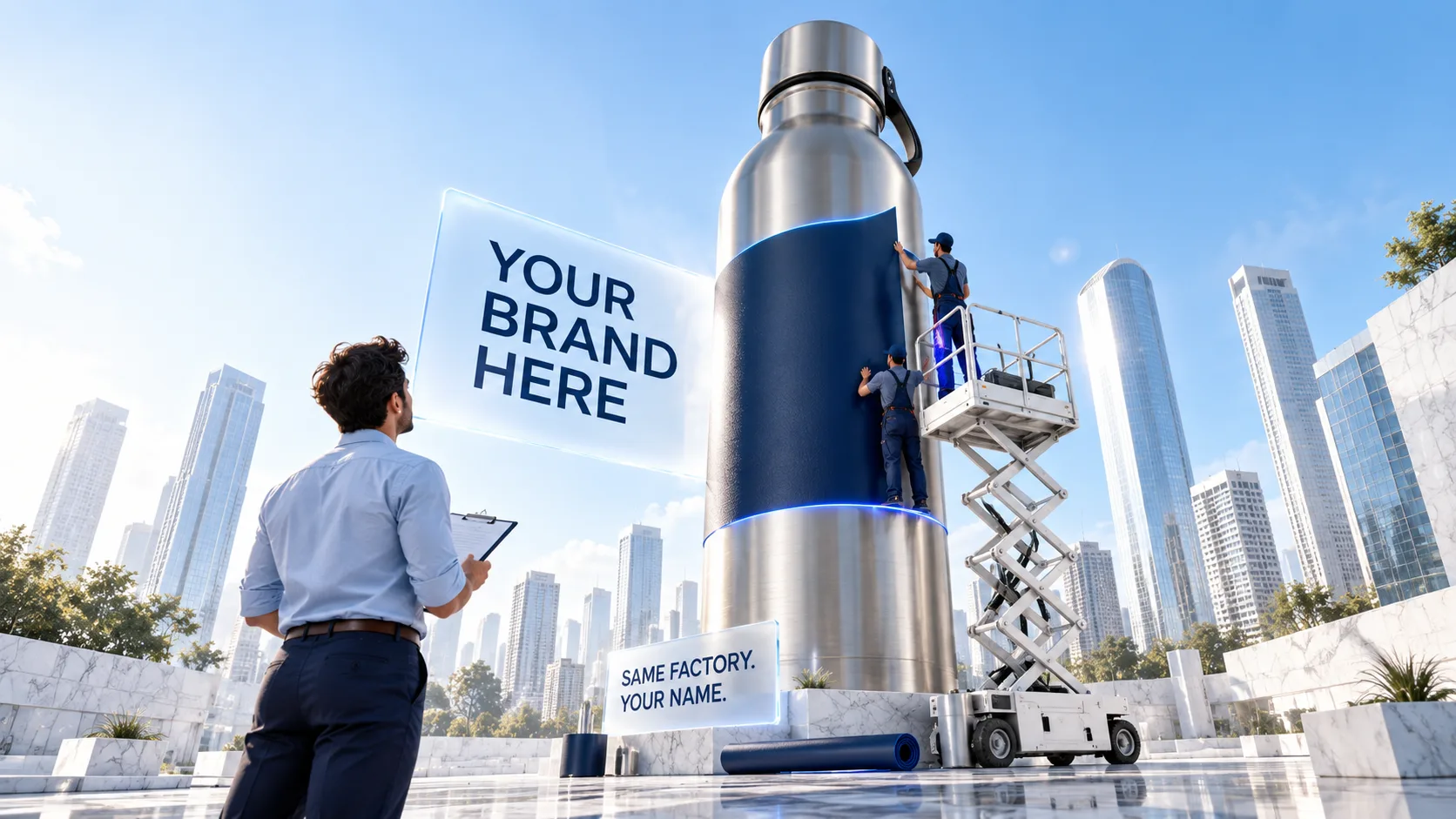
Private label means a manufacturer makes a product, and you sell it under your own brand.
The factory brings the know-how, the machines and a proven base product. You bring the brand: the name, the logo, the colours, the packaging and, most importantly, the customers.
You don’t design everything from scratch, and you don’t need your own production line. You pick a solid product, make it yours, and focus your energy on selling it.
Private label vs white label vs fully custom
These three get mixed up all the time. Here’s the simple version:
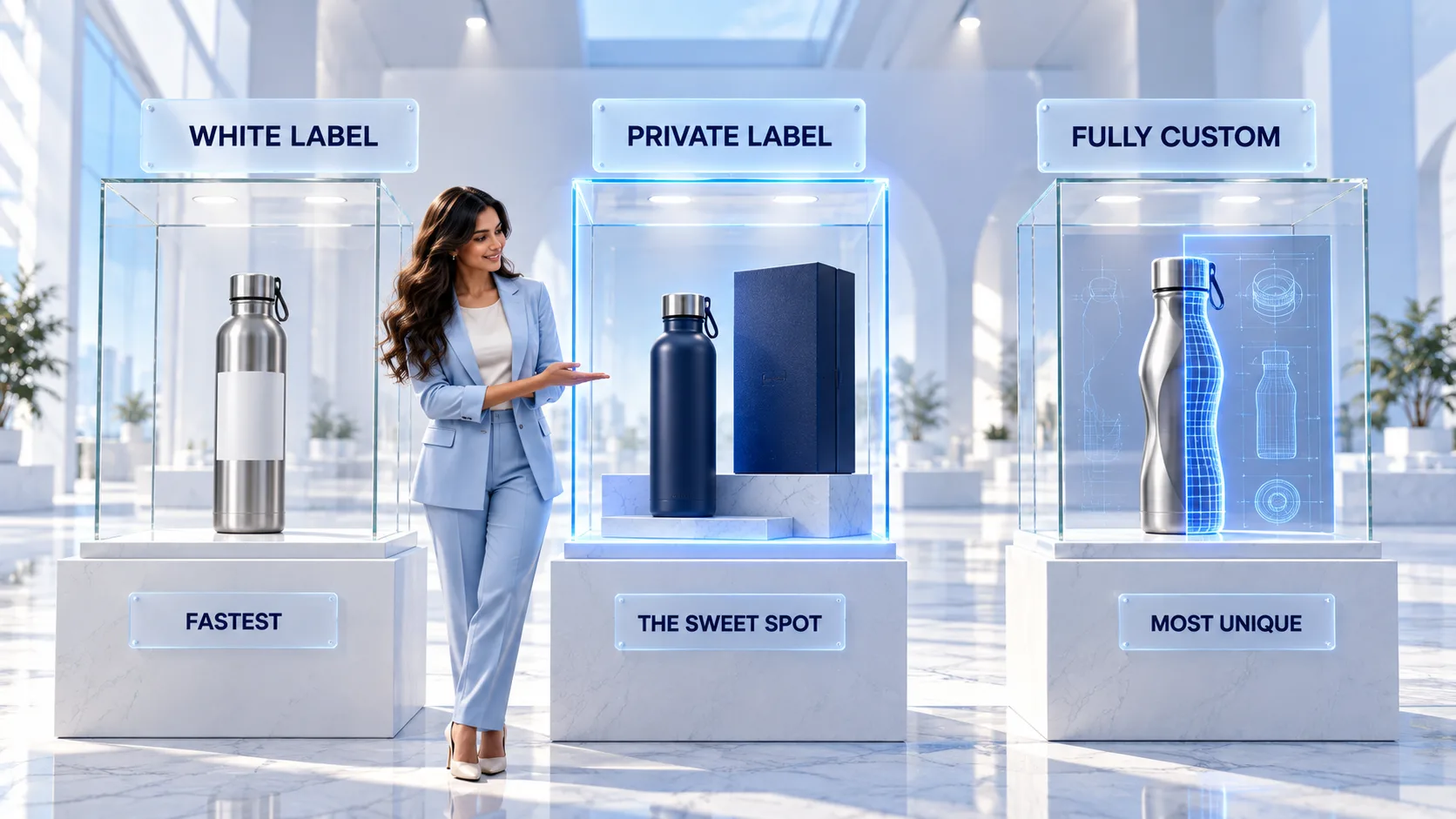
White label: a ready-made, generic product that the factory sells to lots of brands. You add your logo, often just a sticker or a print. Fastest and simplest, but your product looks like everyone else’s.
Private label: a proven base product made for your brand, with your choice of colour, logo method, packaging and sometimes small spec changes. It looks and feels like yours.
Fully custom: a brand-new product built from your own design, often with new moulds or patterns. The most unique, but the most time, cost and risk.
Most new brands start with private label. It’s the sweet spot between “looks like everyone else’s” and “a year of development”.
What you can customise
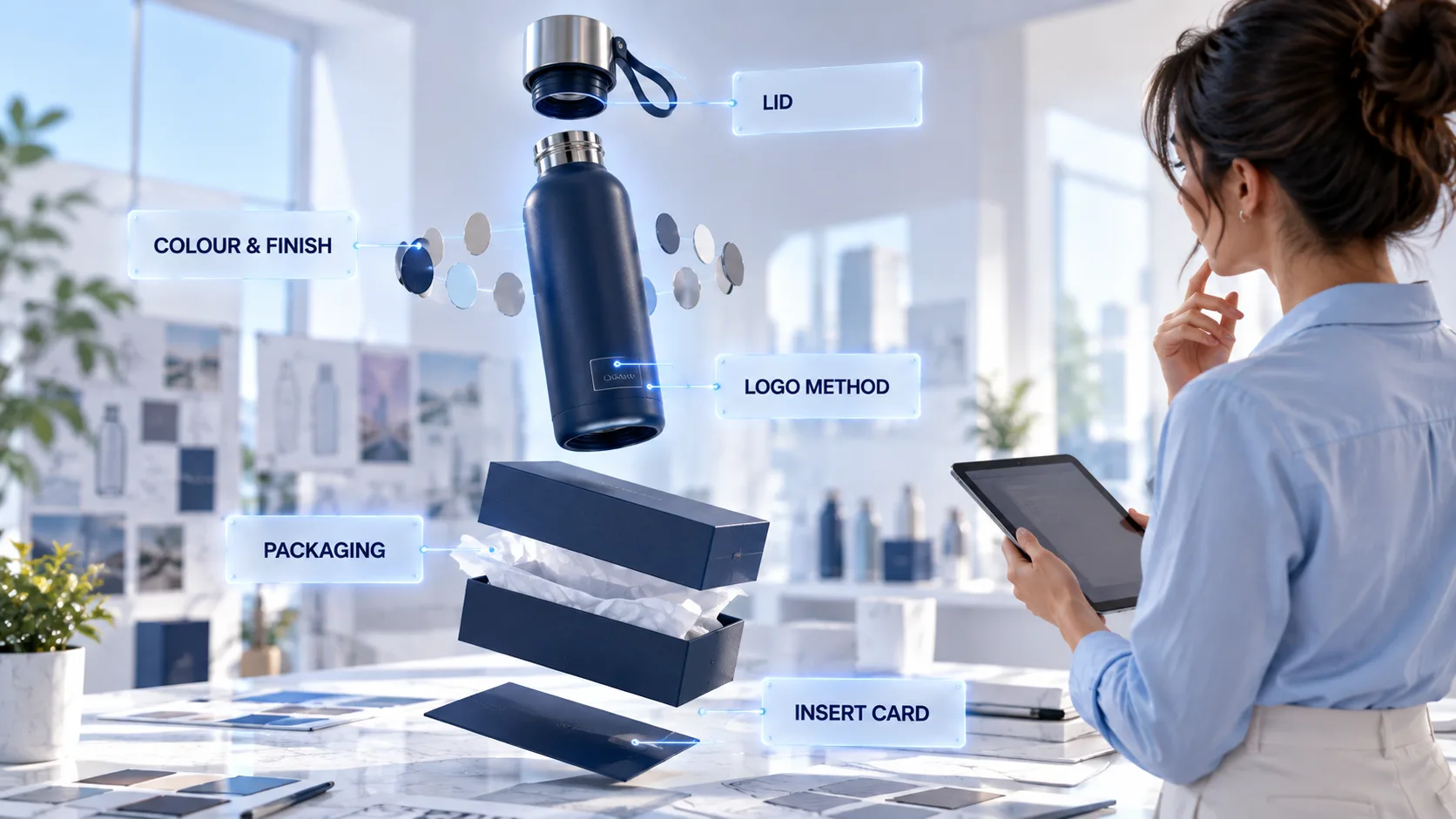
With private label, the base product stays the same, but you can usually change a lot of what people actually see and feel:
Colour and finish: your brand colours, matte or gloss, a powder coat or a soft-touch feel.
Logo method: print, embroidery, engraving, embossing or a woven label, depending on the product.
Small spec changes: a different lid, handle, lining, zip pull or size option.
Packaging: a branded box, sleeve, insert card or tissue wrap.
Labels and inserts: care labels, hang tags, instruction cards and thank-you notes.
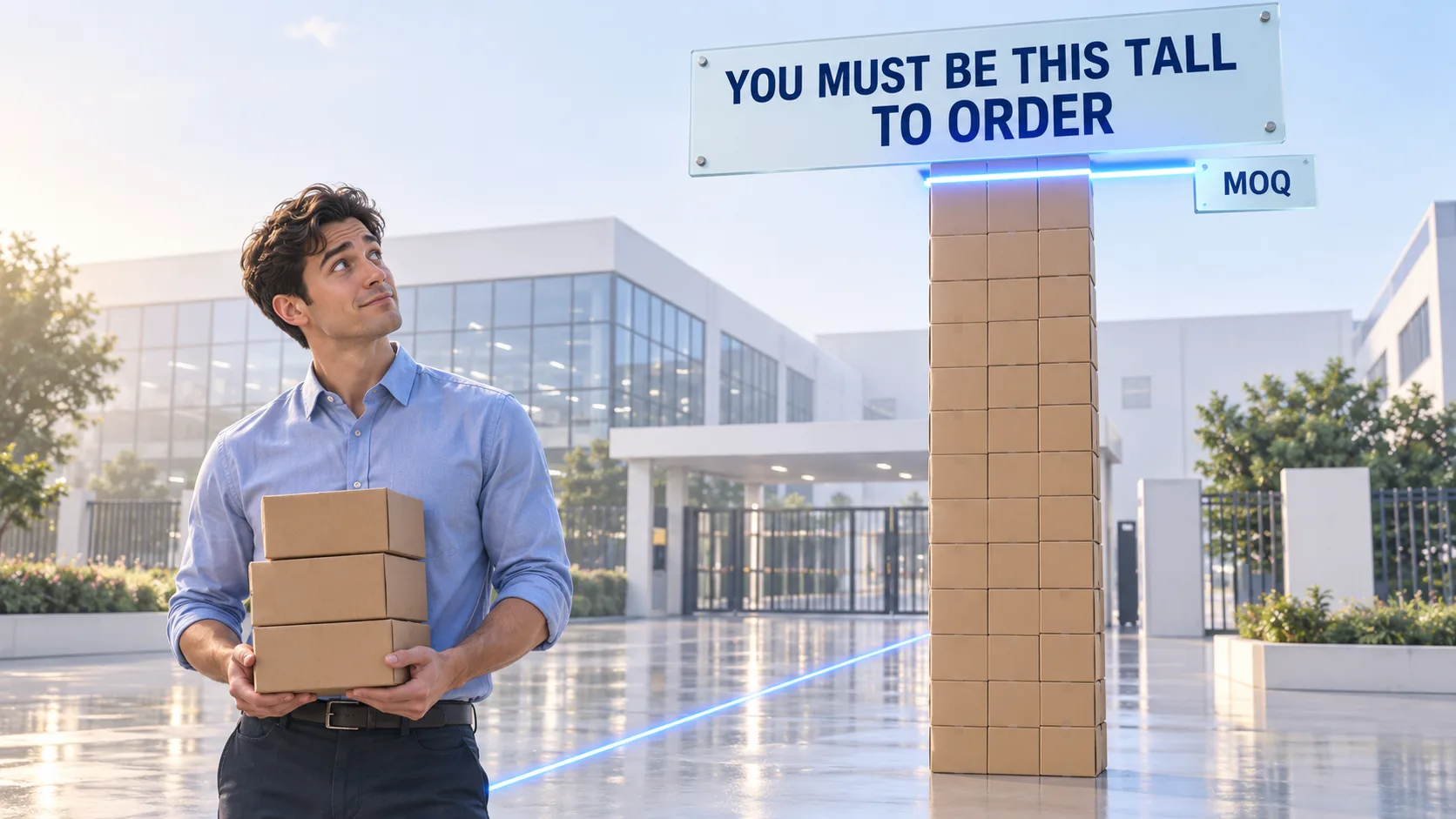
Each extra change can affect your minimum order quantity, so start with the ones your customer will notice most. Our MOQ guide explains why.
How to launch a private label product in 6 steps
Pick a product people already buy. Private label works best on products with proven demand, where your brand can be the reason to choose you.
Decide what makes yours different. A better colour range, a smarter accessory, nicer packaging or a clearer story. “Same as theirs but with my logo” isn’t a brand.
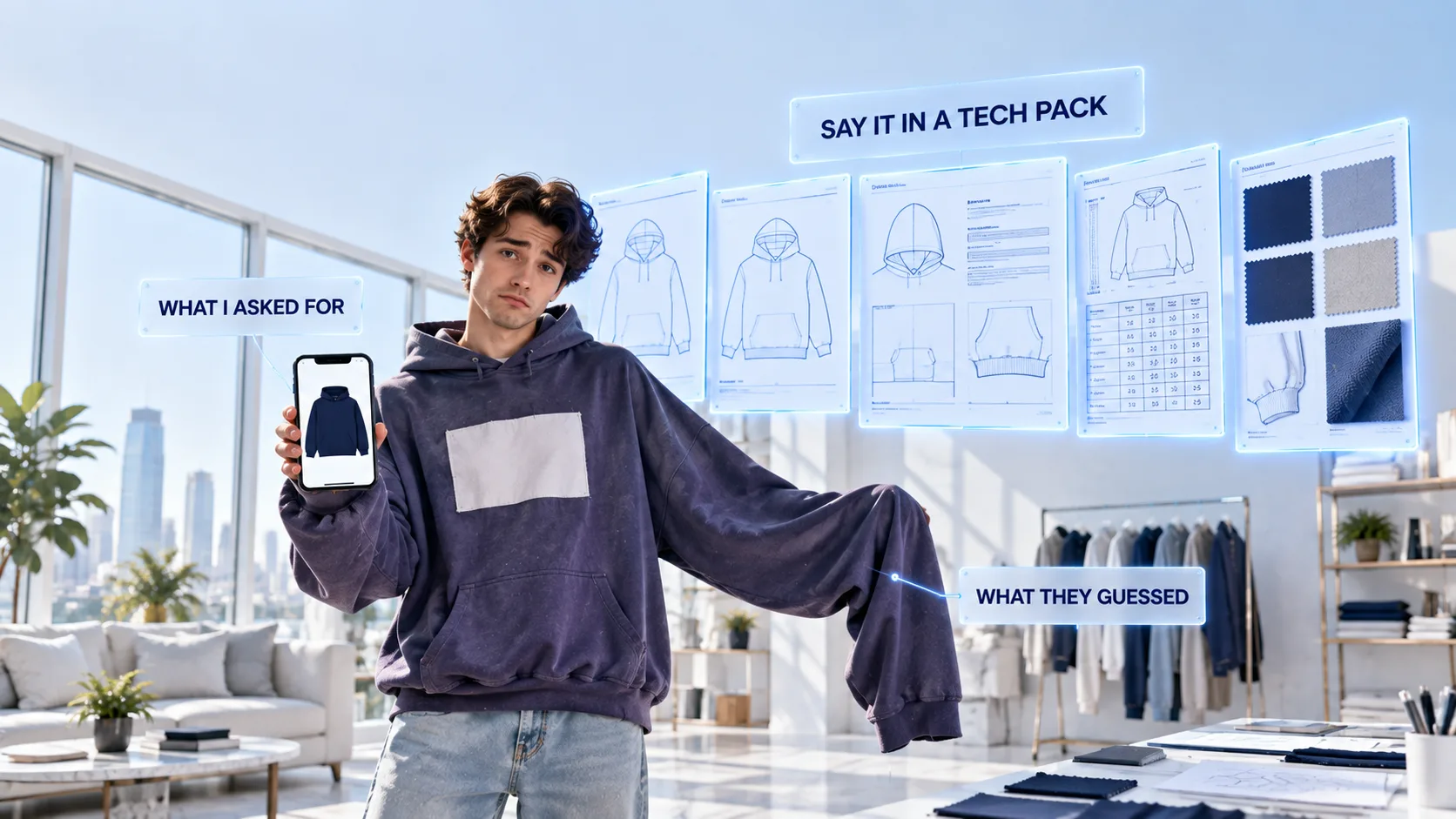
Write a clear brief. What it is, which base product, what you’ll customise, your target price and your first order quantity. A good brief gets you better quotes. See Why Better Sourcing Starts Before the Supplier Search.
Shortlist manufacturers and compare like for like. Send the same brief to a few factories and compare unit price, MOQ for your version, sample cost and lead time. Our guide on how to find a manufacturer for your product walks through it.
Sample, then approve a “golden sample”. Use it, wash it, drop it. Once it’s right, approve one sample in writing as the standard for bulk.
Start with a smart first order. Big enough to test demand, small enough that a slow month won’t hurt. Then reorder with confidence.

5 mistakes that sink new private label brands
Copying a competitor’s product one to one. If there’s nothing new, you’re competing on price alone.
Skipping samples to save time. The sample is the cheapest place to find a problem.
Forgetting the label rules. Many products need specific labelling for the market you sell in, such as materials, care or safety information. Check the rules for your product and market before you print anything.
Over-customising the first order. Five custom colours and a bespoke box on day one can multiply your MOQ and your risk.
Choosing on unit price alone. The cheapest quote isn’t the cheapest order once you add shipping, duties and fixes. We unpack that in Where Your Profit Margin Disappears.

Quick answers to common questions
What is a private label product? A product made by a manufacturer and sold under a retailer’s or brand’s own name.
What’s the difference between private label and white label? White label is a generic product many brands sell with just a logo added. Private label is made for your brand, with your own colours, branding, packaging and sometimes small changes to the product.
Is private label legal? Yes. It’s a normal and widely used way to make products. Just make sure your design, name and branding don’t copy someone else’s protected work.
Do I need a big budget to start a private label brand? Not necessarily. Starting with stock options and simple branding keeps your minimum order and upfront cost lower. Add customisation as sales grow.
Who owns the product design? It depends on your agreement. If you pay for a custom element, such as a mould or a unique design, agree in writing who owns it before production starts.
The bottom line
Private label lets you skip the factory and go straight to building a brand. Pick a product people already want, make it clearly yours, sample properly and start with an order size you can sell. The factory makes it. You make it matter.
Got a product you want to put your name on? Send us your product brief and target quantity, and we’ll help you find the right manufacturer to private label it.
Written by
Sourcewithai
October 24, 2026 · 4 min read