
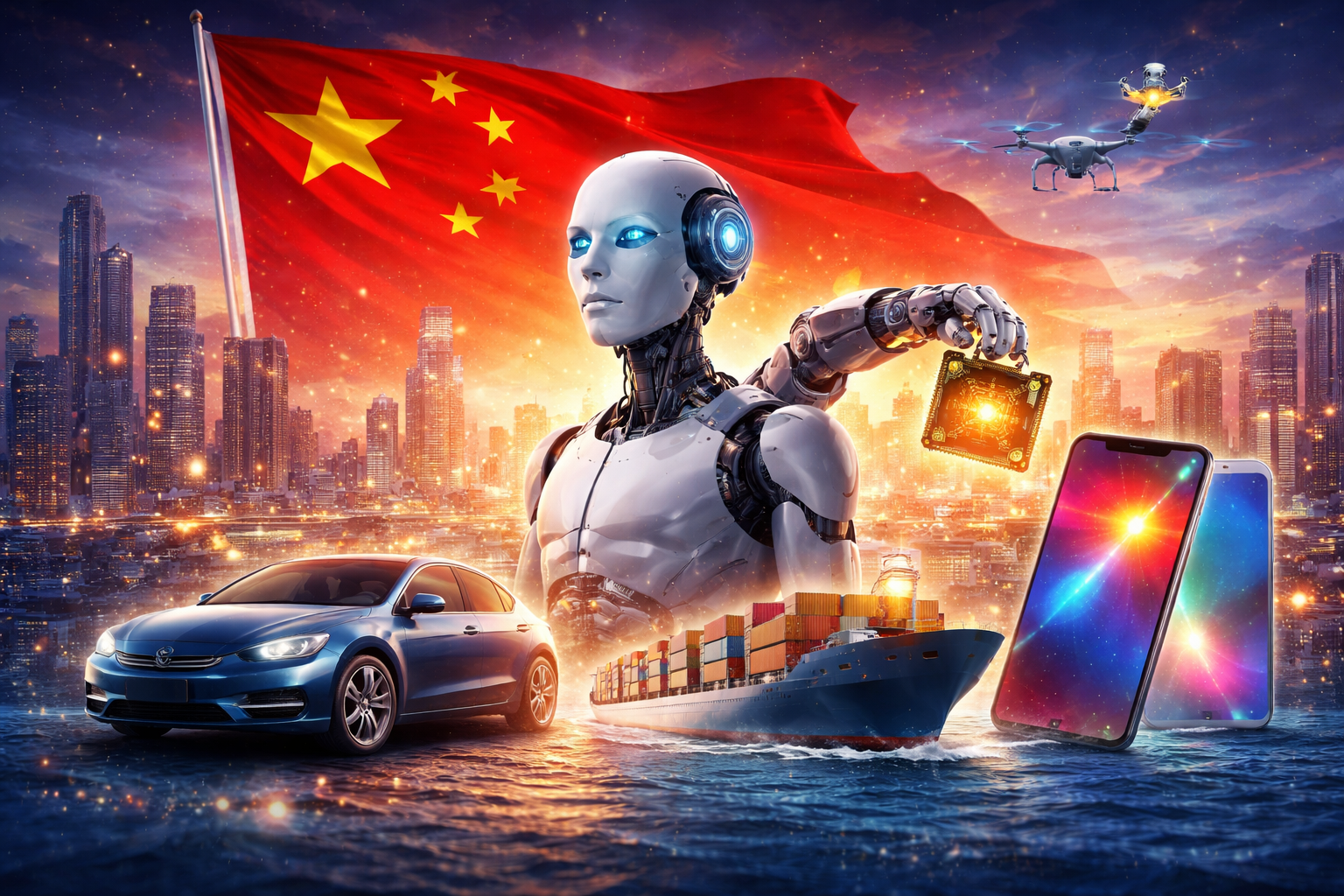
Walk into any electronics store, browse an online marketplace, or check the labels on everyday gadgets chances are many of them are made in China. Over the last two decades, Chinese companies have transformed from low-cost manufacturers into global product leaders. Today, brands like Huawei, Xiaomi, DJI, and BYD are competing directly with long-established Western and Japanese companies.
But how did Chinese products become so competitive so quickly? The answer lies in a powerful combination of manufacturing scale, speed, innovation, supply chain mastery, and a culture built around rapid iteration.
This blog explores the key reasons why Chinese companies are winning the race in products.
 1. The Power of Manufacturing Ecosystems
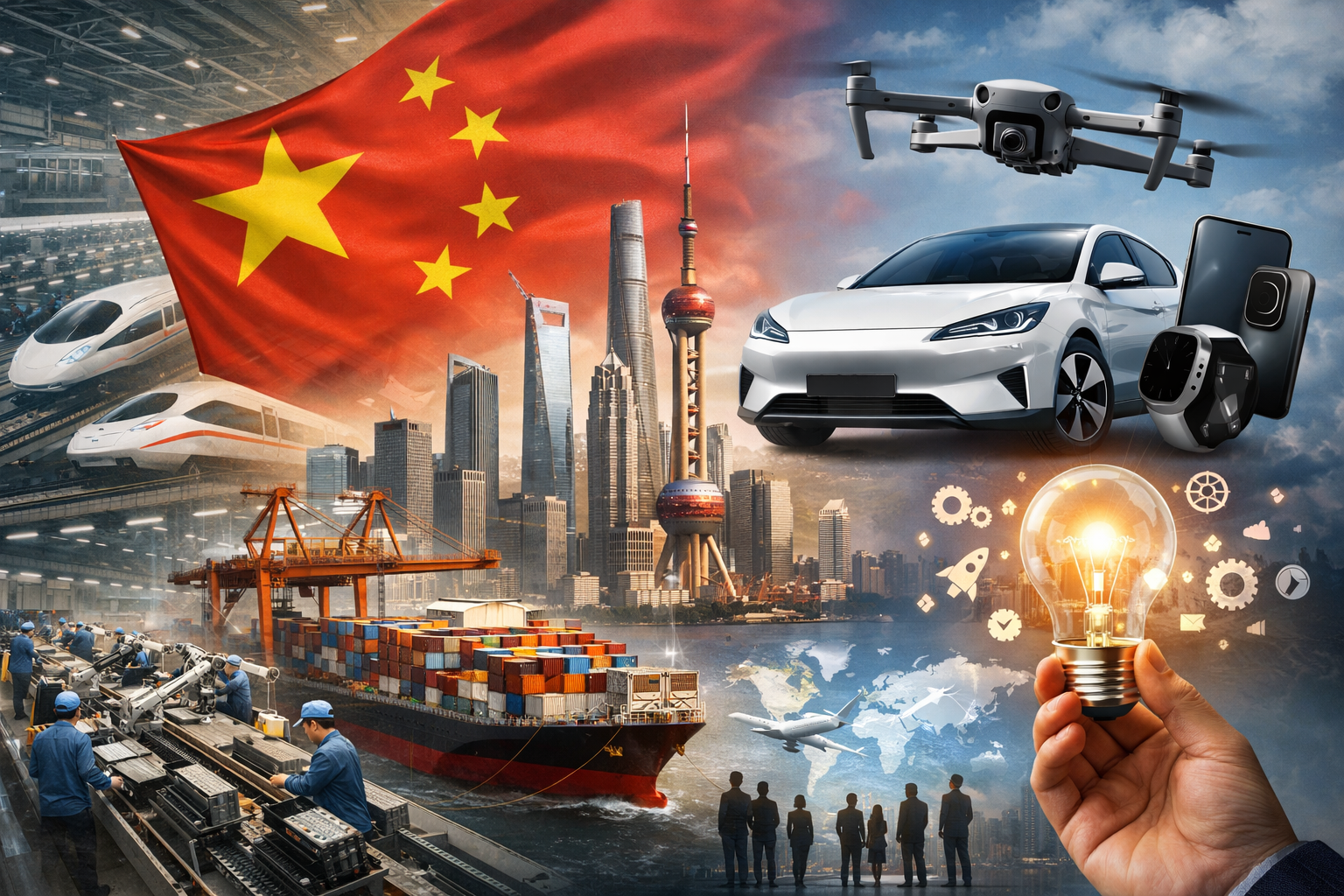
One of China’s biggest advantages is its manufacturing ecosystem. Unlike many countries where production is fragmented across regions or countries, China has dense industrial clusters where suppliers, factories, engineers, and logistics providers operate in close proximity.
Cities like Shenzhen are often described as the “Silicon Valley of hardware.” In Shenzhen, a company can design a product in the morning and have a prototype built by evening because every component from chips to packaging is available nearby.
This ecosystem dramatically reduces production time and costs. Instead of waiting weeks for parts from different countries, Chinese manufacturers can assemble components within hours. As a result, Chinese companies move from idea to product faster than most competitors.

2. Speed: The Ultimate Competitive Advantage
Chinese companies operate at an extraordinary pace. Product cycles that take Western companies a year may take Chinese companies just a few months.
This speed comes from several factors:
Close collaboration between manufacturers and suppliers
Rapid prototyping capabilities
Aggressive market testing
A willingness to release early versions and improve later
Rather than spending years perfecting a product, Chinese companies launch quickly, gather customer feedback, and iterate rapidly. This approach allows them to adapt faster than slower competitors.
Speed often wins markets.
 3. Cost Efficiency Without Sacrificing Quality
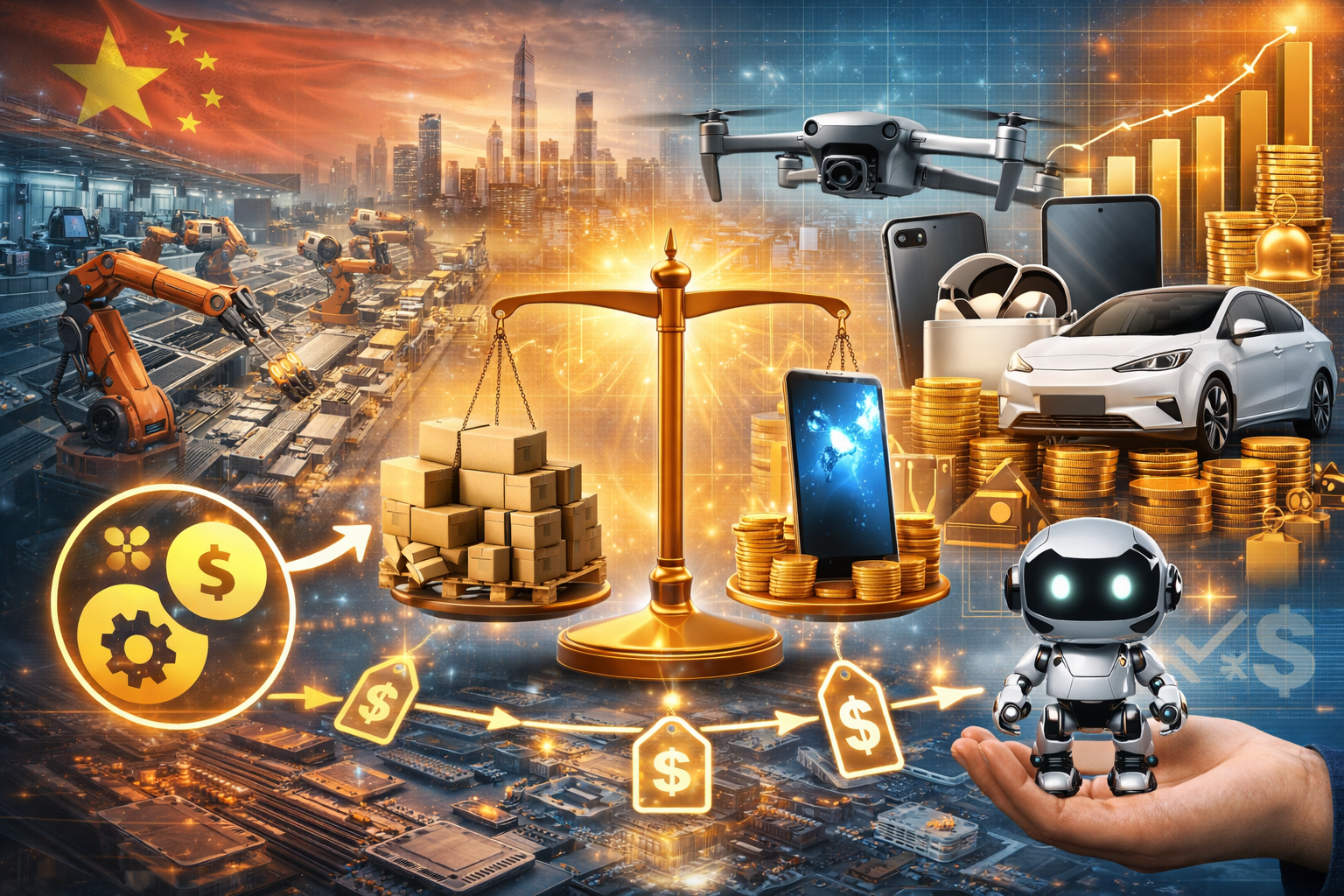
China initially gained its reputation as the world’s factory because of low labour costs. While wages have risen over the years, Chinese companies have become extremely efficient in managing production costs.
They achieve this through:
Highly optimized manufacturing processes
Large-scale production volumes
Strong supplier networks
Automation in factories
The result is products that are often cheaper yet comparable in quality to global alternatives. This price-performance advantage makes Chinese products especially attractive in emerging markets and price-sensitive segments.
 4. Mastery of Supply Chains
China’s logistics and supply chain capabilities are among the best in the world. From sourcing raw materials to delivering finished products globally, Chinese companies operate highly efficient supply networks.
Major ports, high-speed rail systems, advanced logistics companies, and digital supply chain platforms enable products to move quickly and reliably.
This supply chain strength became especially visible during global disruptions such as the COVID-19 pandemic. While many countries struggled with production delays, Chinese factories resumed operations quickly and filled global supply gaps.
A well-managed supply chain is often the invisible engine behind successful products.

5. Massive Domestic Market for Testing
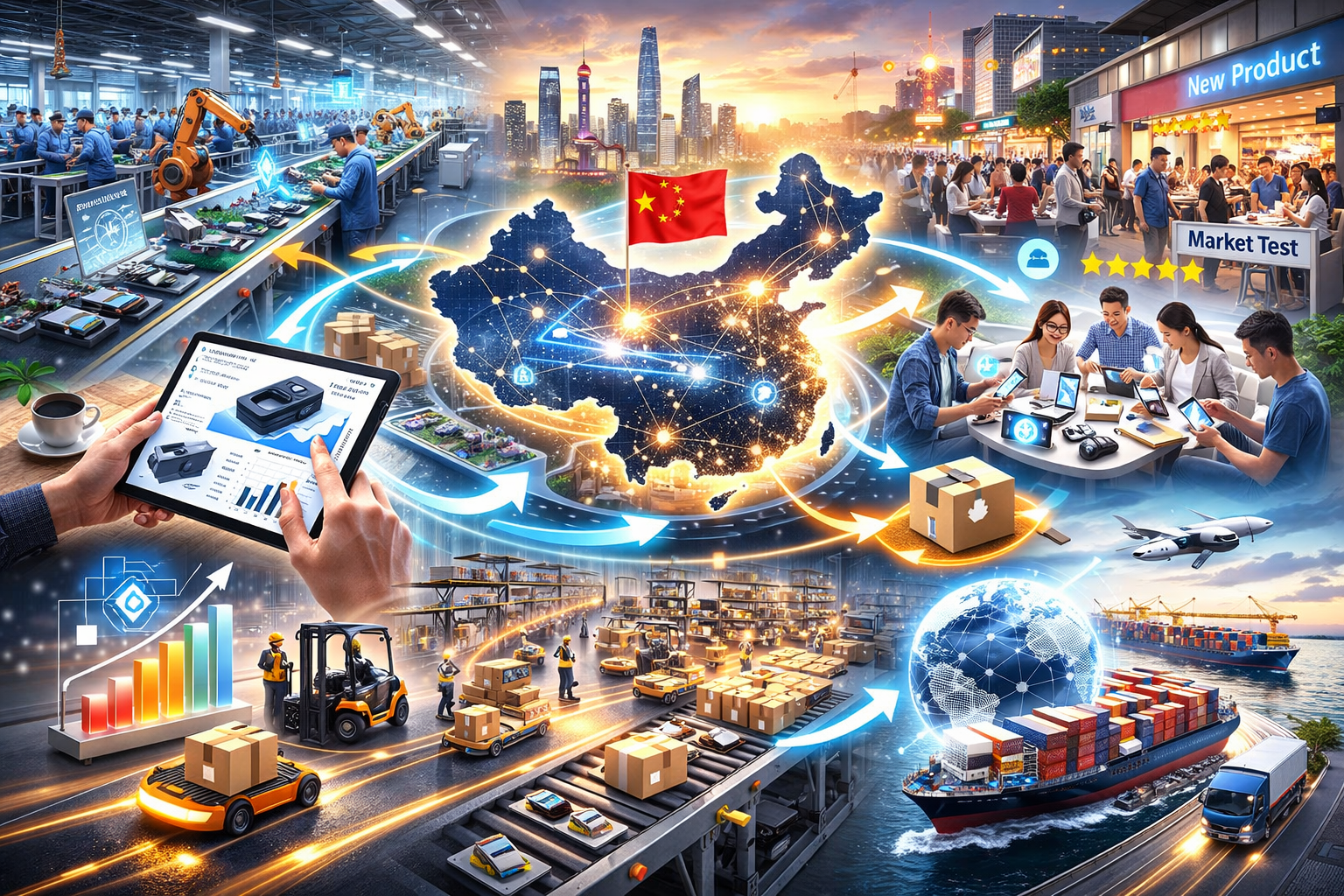
China’s huge population gives companies an enormous advantage: a large domestic market to test and refine products.
With more than a billion consumers, Chinese companies can launch products locally, collect large amounts of user feedback, and improve their designs before expanding globally.
For example, many successful apps, electronics, and consumer devices were first tested in the Chinese market before entering international markets.
This real-world testing environment accelerates product development and reduces risks when launching globally.
 6. Government Support and Strategic Investment
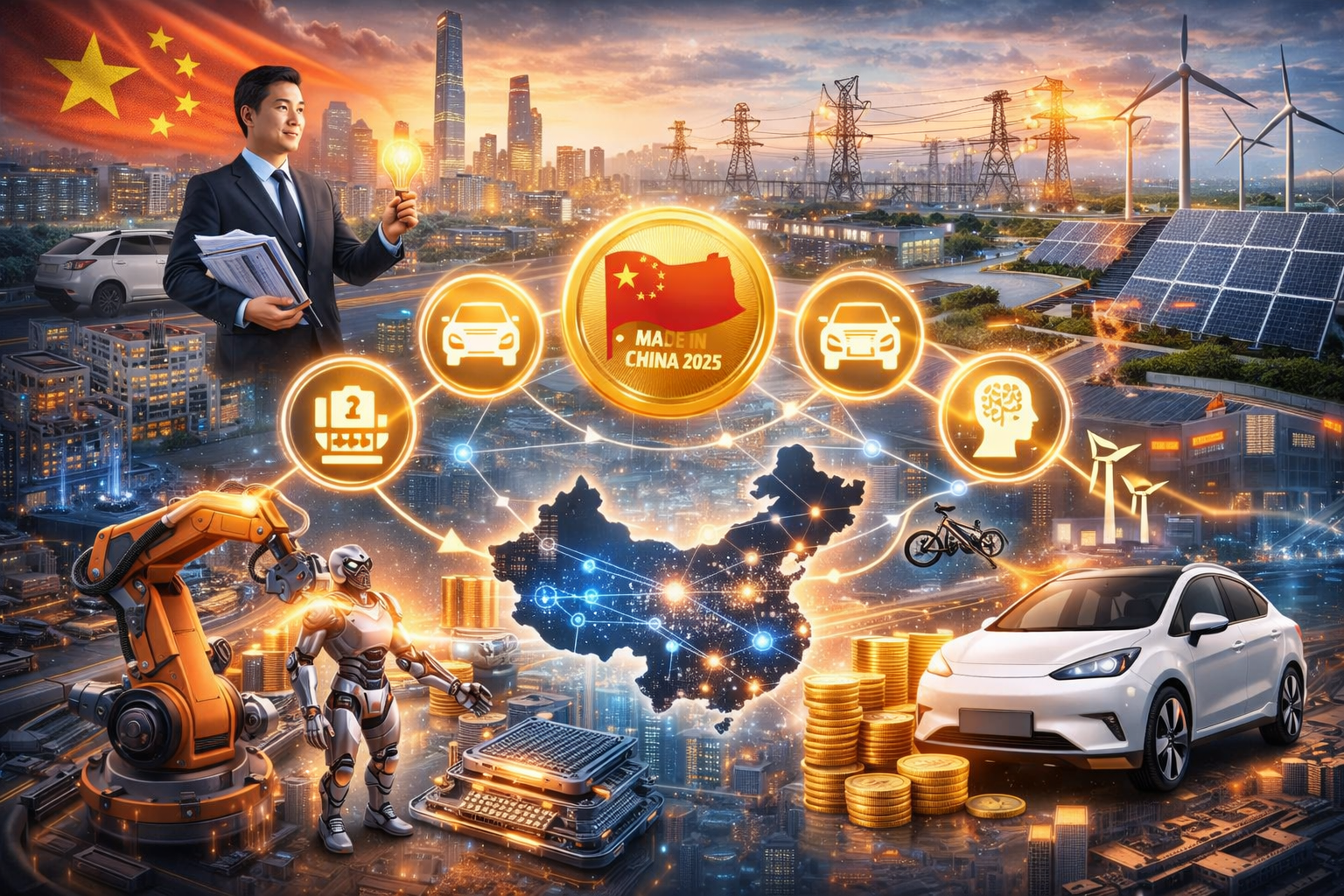
The Chinese government has played a major role in supporting domestic industries. Through industrial policies, subsidies, infrastructure investments, and long-term strategic planning, the government has helped Chinese companies grow in key sectors.
Programs such as “Made in China 2025” focus on developing advanced industries like:
Robotics
Electric vehicles
Semiconductor manufacturing
Artificial intelligence
Renewable energy
These initiatives provide funding, research support, and favourable policies that help companies compete internationally.
While government involvement varies across industries, the strategic direction has clearly helped China build strong product ecosystems.
7. Culture of Iteration and Experimentation
One of the defining characteristics of Chinese product development is the willingness to experiment and iterate rapidly.
Instead of aiming for perfection at the first launch, Chinese companies often release products early and continuously improve them based on user feedback.
This philosophy resembles the “build fast, learn fast” approach seen in modern tech start-ups.
It leads to:
Faster innovation cycles
More responsive product design
Continuous improvements
Over time, this iterative approach produces highly refined products that closely match consumer needs.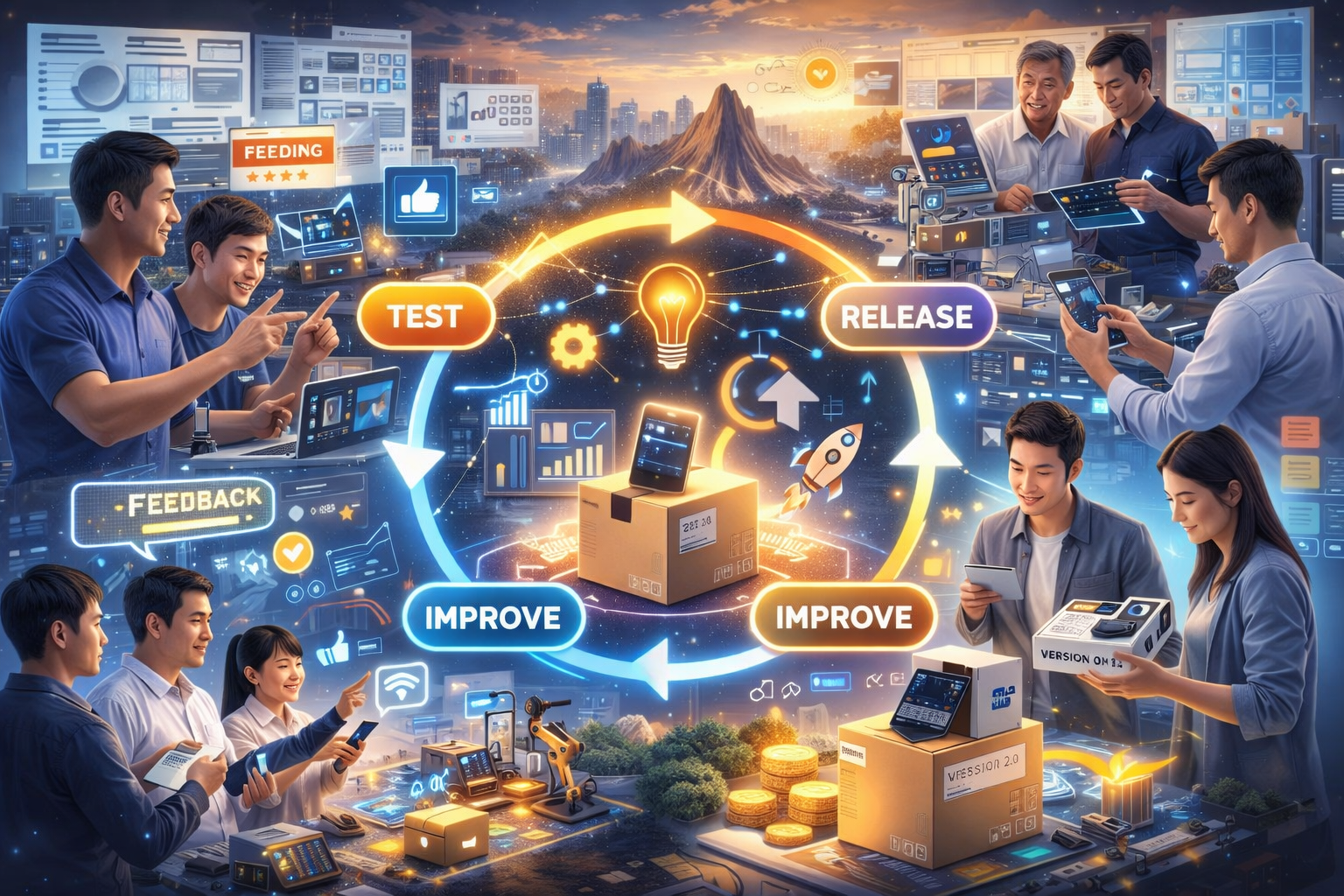
8. Strong Digital Integration
Chinese companies are leaders in integrating hardware, software, and digital services.
For example, many Chinese electronics products are tightly connected with mobile apps, cloud services, and digital ecosystems. This integration creates seamless user experiences and additional value beyond the physical product.
Chinese firms also leverage data heavily to understand consumer behavior. By analyzing massive datasets from online platforms, companies can quickly identify trends and design products that match market demand.
Data-driven product development is a powerful advantage.

9. Entrepreneurial Mindset
China has a vibrant entrepreneurial culture. Thousands of start-ups are constantly experimenting with new product ideas across industries.
Competition is intense. Companies must innovate quickly to survive.
This competitive environment pushes entrepreneurs to:
Develop better products
Improve efficiency
Explore new technologies
Expand into global markets
Many of today’s major Chinese companies started as small start-ups competing in crowded markets. Their success reflects resilience, adaptability, and strong execution.
10. Global Expansion Strategy
Chinese companies are no longer focused only on manufacturing for others—they are building global brands.
Over the past decade, many Chinese companies have aggressively expanded internationally through:
Competitive pricing
Strategic partnerships
Localized products
Online distribution channels
Chinese brands are now present in industries such as smartphones, drones, electric vehicles, home appliances, and consumer electronics.
As global consumers become more comfortable with these brands, Chinese products continue to gain market share.
Challenges Chinese Companies Still Face
Despite their success, Chinese companies still face several challenges.
These include:
Trade restrictions and geopolitical tensions
Intellectual property concerns
Brand perception in some Western markets
Dependence on foreign semiconductor technology
To remain competitive, Chinese companies must continue investing in innovation, branding, and advanced technology development.
However, many firms are already making significant progress in these areas.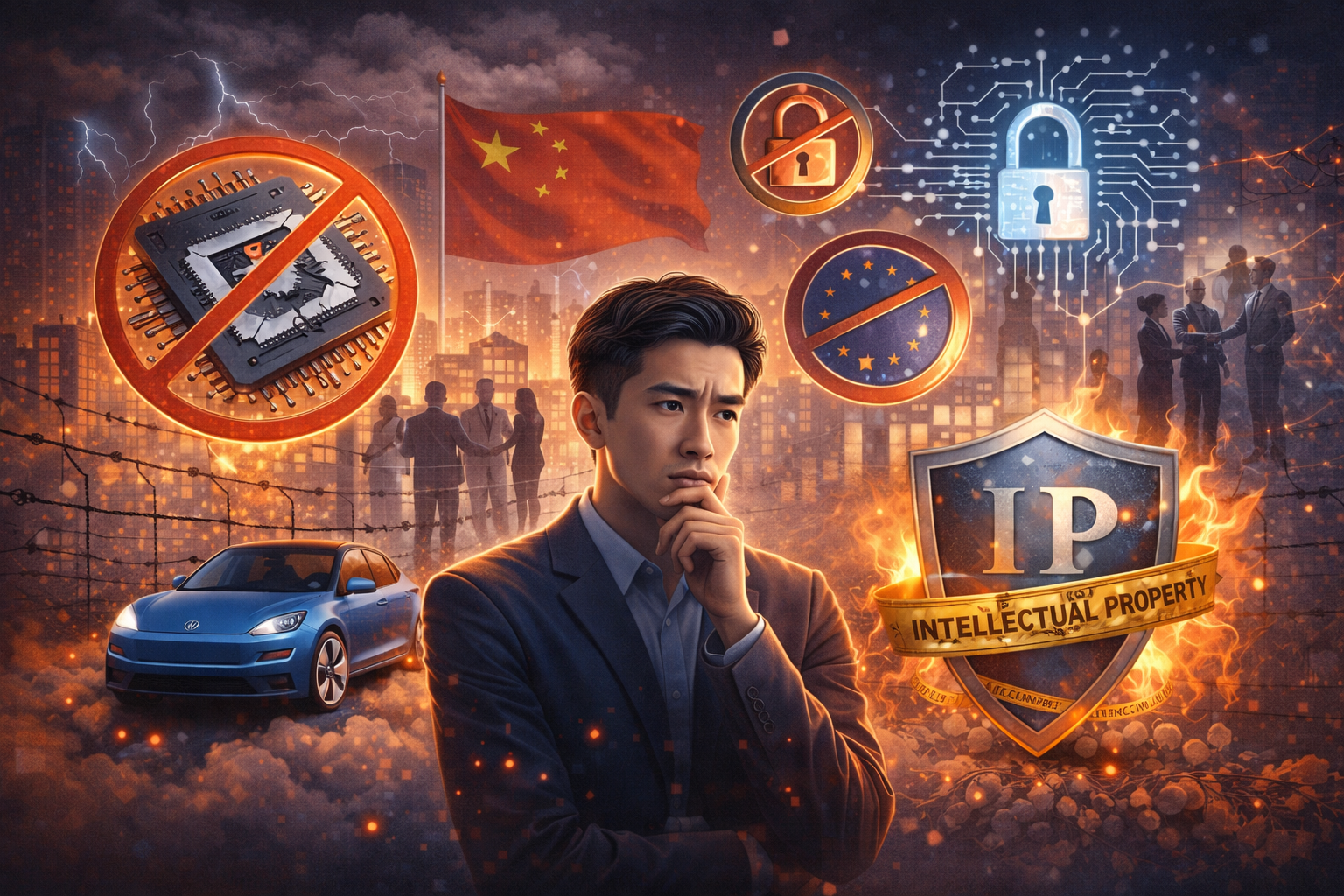
The Future of Chinese Products
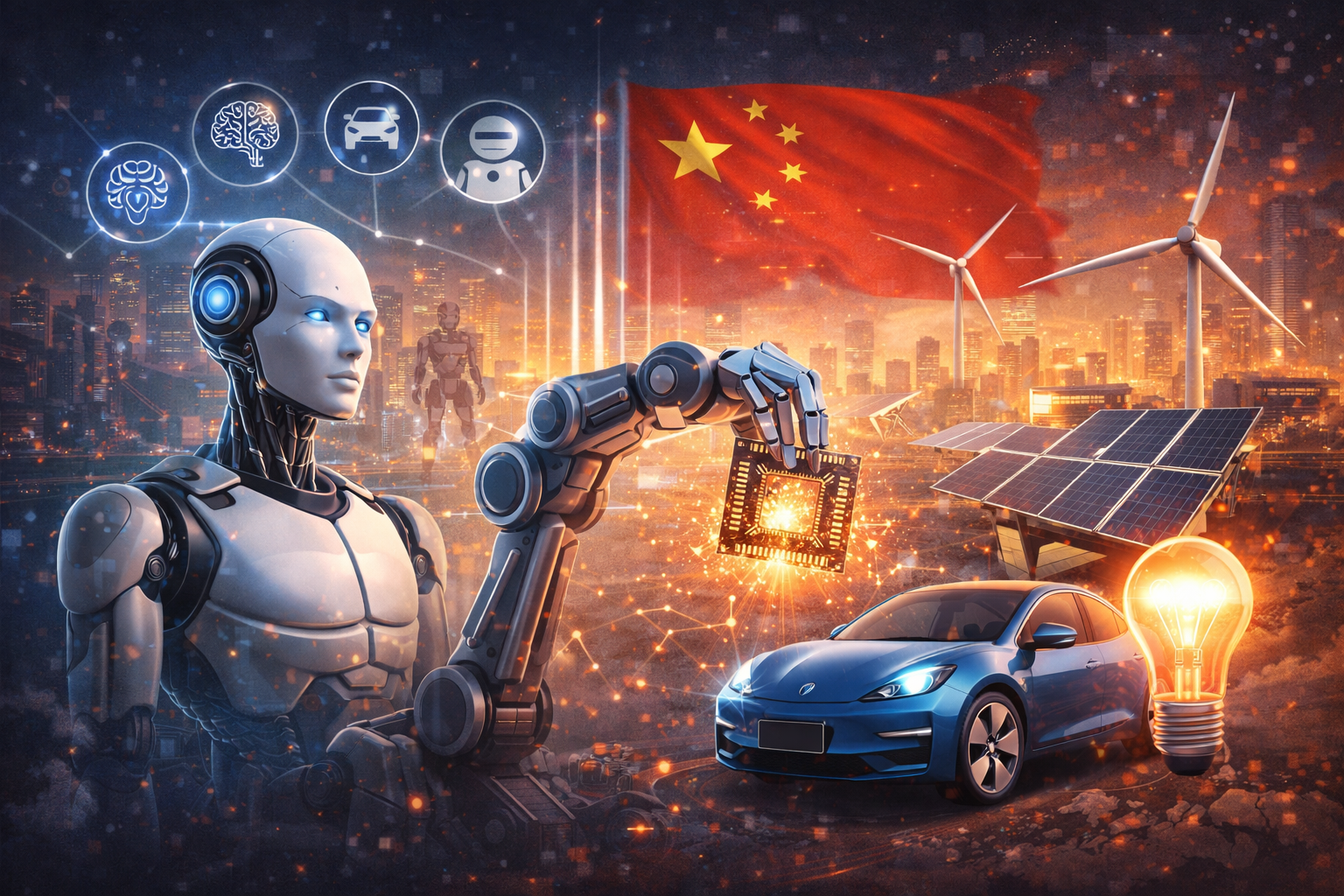
The next phase of China’s product leadership will likely focus on high-technology sectors such as artificial intelligence, electric vehicles, robotics, and renewable energy.
Chinese companies are investing heavily in research and development. Universities, startups, and technology giants are working together to push the boundaries of innovation.
If current trends continue, China may not only dominate manufacturing but also lead in cutting-edge product innovation.
Conclusion
The rise of Chinese products is not the result of a single factor. It is the outcome of a powerful combination of manufacturing strength, supply chain mastery, speed, innovation culture, and a massive domestic market.
Chinese companies have transformed themselves from low-cost producers into global competitors capable of designing, building, and scaling world-class products.
As industries become increasingly competitive, the lessons from China’s product ecosystem—speed, iteration, efficiency, and integration are becoming important for companies worldwide.
In the global race for better products, China has shown that execution and ecosystem matter just as much as innovation.
And for now, that combination is helping Chinese companies stay ahead of the pack.
Written by
Eva Liu
March 20, 2026 · 5 min read