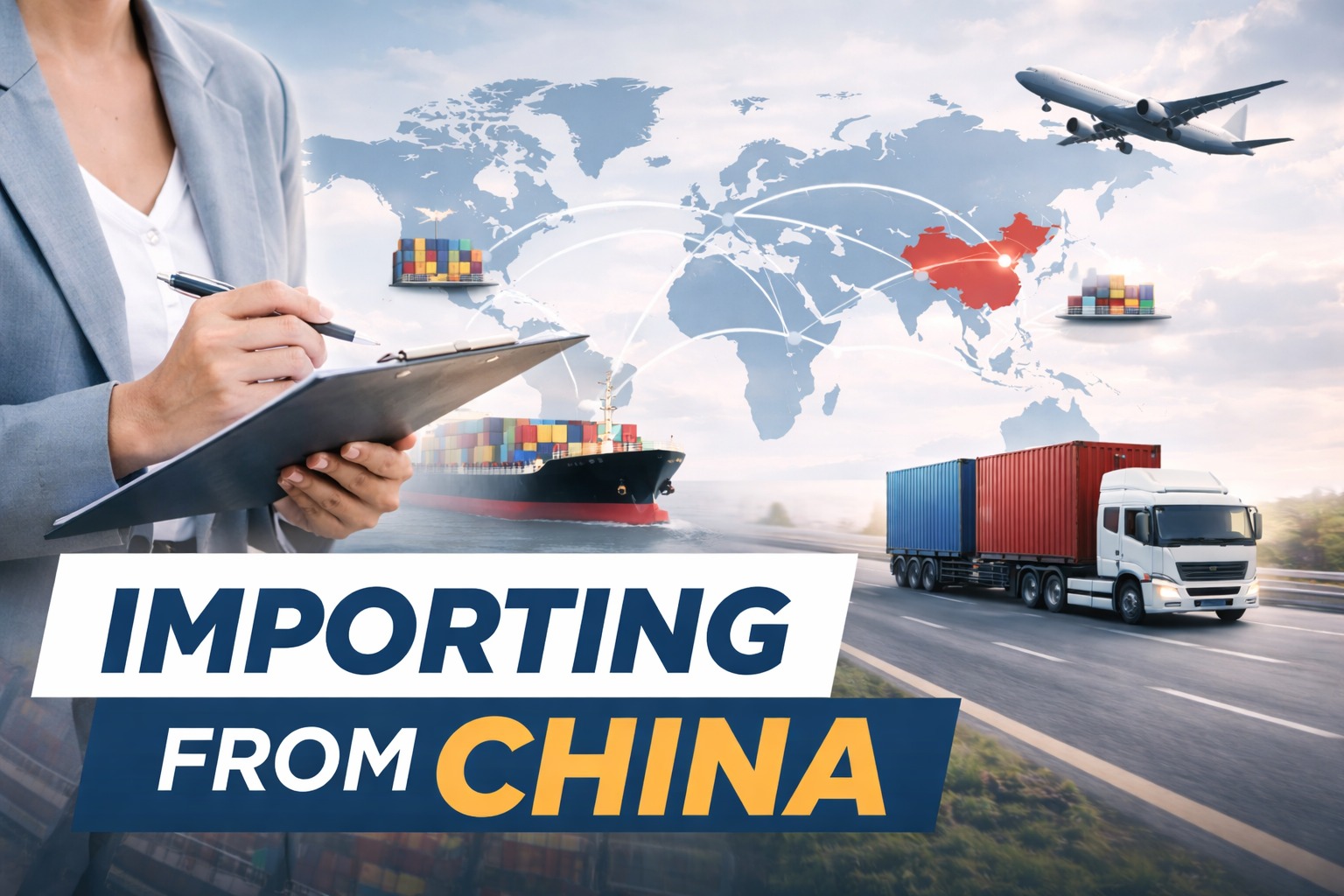
Importing products from manufacturers in China has become a common strategy for businesses looking to launch and grow product-based brands. Many successful ecommerce companies rely on global manufacturing to produce everything from consumer goods and beauty products to electronics and home accessories. Lower production costs and access to large manufacturing ecosystems make international sourcing extremely attractive.
But while most businesses focus heavily on product development and supplier negotiations, they often underestimate one of the most critical parts of the process: shipping and logistics.
International shipping involves freight carriers, customs regulations, duties, documentation, and coordination across multiple countries. Without a clear logistics strategy, even well-planned sourcing operations can run into costly delays and unexpected expenses.
Over the years, we’ve seen several common mistakes businesses make when importing products from China. Avoiding these mistakes can save you time, money, and significant operational headaches.
Let’s walk through the seven biggest shipping mistakes importers make and how to avoid them.
 1. Not Separating Production and Shipping
One of the most common mistakes businesses make when importing products is allowing the factory to handle both manufacturing and shipping.
Many new importers follow a process like this:
Find a manufacturer
Place an order
Ask the factory to ship the products directly to their country
On the surface, this seems convenient because you only have to coordinate with one supplier. However, this approach can limit your control over the logistics process.
Factories specialize in manufacturing products, not managing international freight.
Shipping goods across borders involves several complex steps:
booking cargo space
preparing export documents
clearing customs
managing port operations
arranging final delivery
These tasks are typically handled by a freight forwarder, which is a company that specializes in global logistics.
When factories arrange shipping, they often outsource the logistics to a freight provider anyway but without giving you direct communication or transparency into the process.
This can create issues such as:
limited visibility into shipping status
delayed responses if problems arise
lack of cost breakdowns
reduced control over delivery timelines
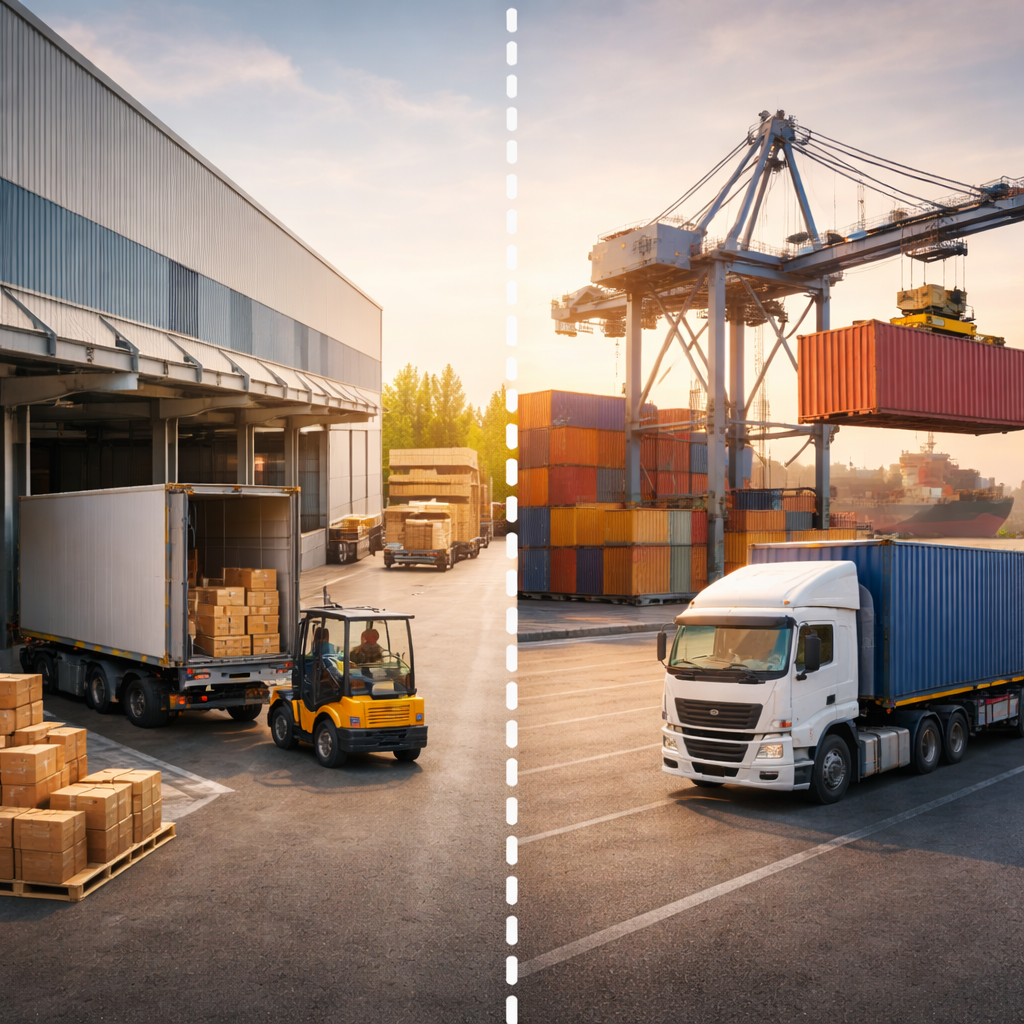
A better approach is to separate production and shipping responsibilities.
Let the factory focus on manufacturing the product, and work with a freight forwarder to manage the shipping process.
This gives you much greater control over your supply chain.
 2. Not Understanding Shipping Terms (Incoterms)
Another major mistake importers make is not understanding Incoterms, also known as international commercial terms.
These terms define who is responsible for shipping costs, risks, and logistics at each stage of the shipment.
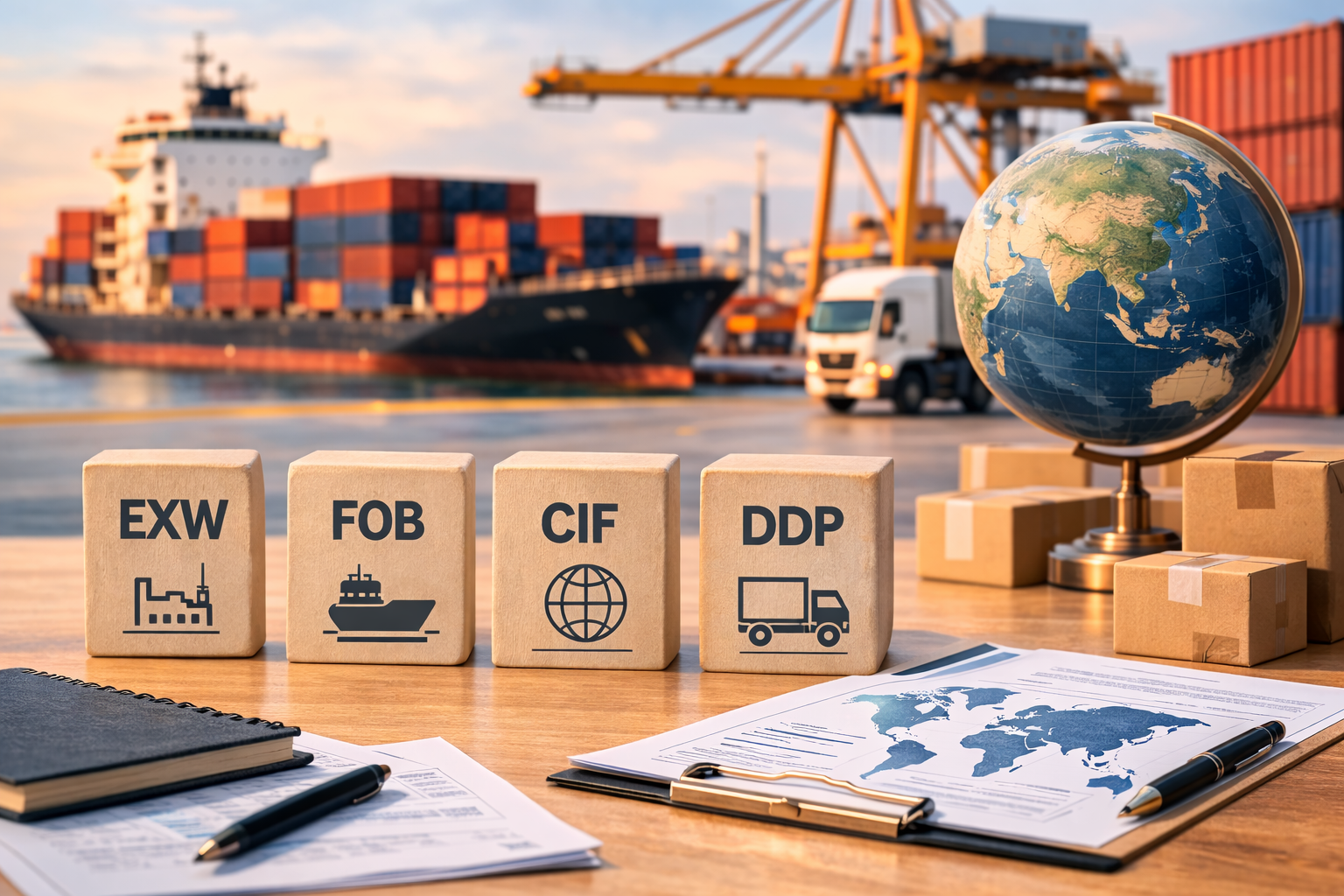
Some of the most common shipping terms when importing from China include:
EXW (Ex Works)
With EXW pricing, the buyer is responsible for picking up the goods directly from the factory and handling all logistics.
FOB (Free On Board)
The factory delivers the goods to a designated port, and the buyer manages the shipping from that port onward.
CIF (Cost, Insurance, and Freight)
The factory pays for shipping to the destination port, but the buyer is responsible for customs clearance and delivery.
DDP (Delivered Duty Paid)
The seller or logistics provider manages the entire shipping process, including duties and taxes.Many businesses accept shipping terms without fully understanding their responsibilities.This can lead to unexpected costs or confusion about who handles customs, transportation, and import duties.Understanding these shipping terms is essential for building a reliable logistics strategy.
 3. Underestimating Total Landed Cost
When businesses first start sourcing products internationally, they often focus on product price alone.
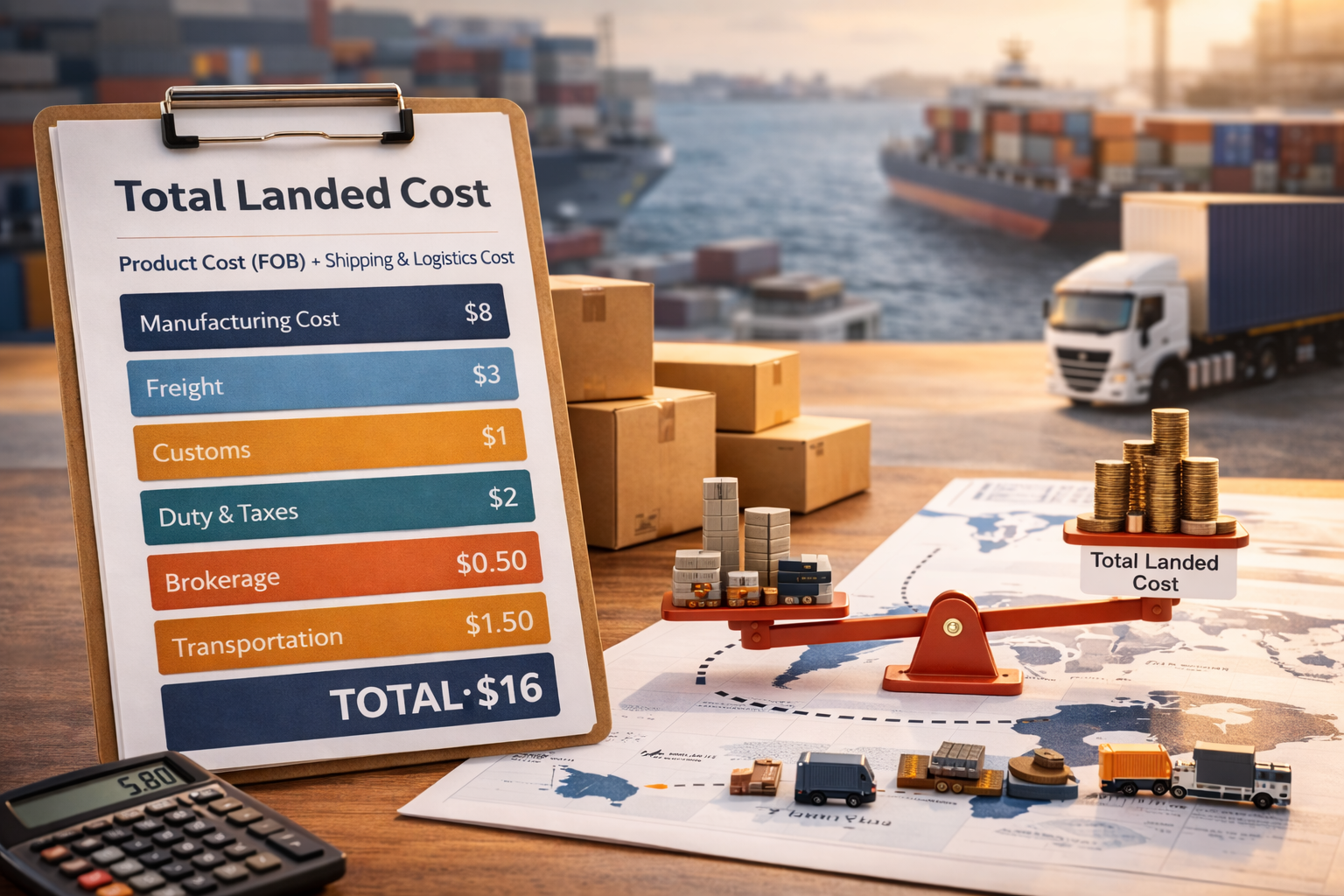
For example, they might negotiate a manufacturing cost of $6 or $8 per unit and assume that will be close to their total cost.
But importing products involves many additional expenses beyond the factory price.
Your total landed cost typically includes:
product manufacturing cost
international freight
customs duties
import taxes
port handling fees
customs brokerage
inland transportation
Without calculating these costs properly, businesses can easily underestimate their true expenses.
This can lead to lower profit margins than expected once the product arrives.
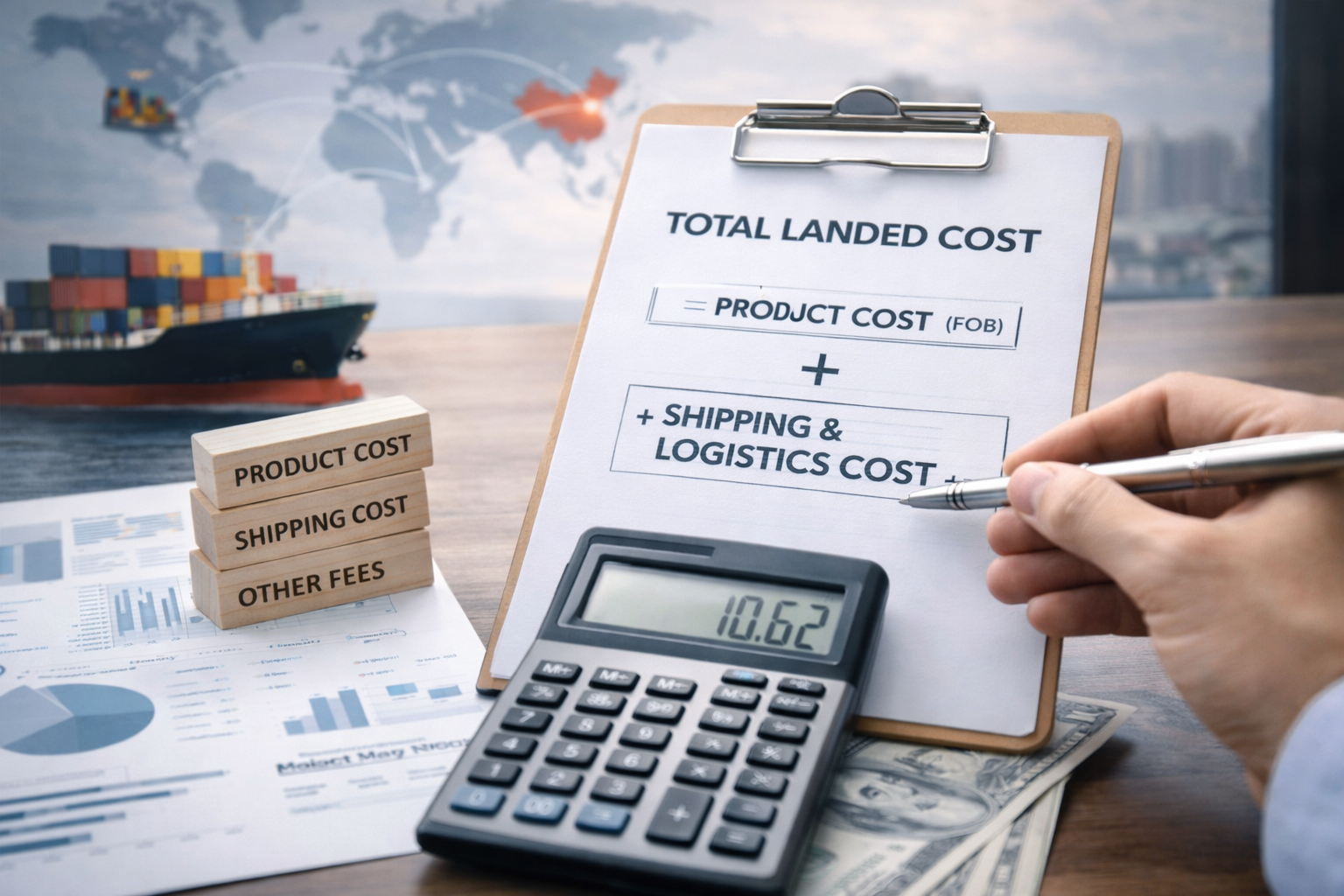
A simple formula to understand your true cost is:
Total Landed Cost = Product Cost (FOB) + Shipping & Logistics Cost
Calculating landed cost accurately helps businesses:
price their products correctly
forecast profit margins
plan inventory budgets
avoid financial surprises
4. Choosing the Cheapest Freight Option
Shipping costs can vary significantly depending on the logistics provider, shipping method, and delivery timeline.
Because of this, many businesses choose freight providers based solely on the lowest quote.
While keeping costs low is important, the cheapest option isn’t always the best choice.
Low-cost freight providers may cut corners in areas like:
communication
shipment tracking
documentation accuracy
customs preparation
If shipping documentation is incorrect or incomplete, it can lead to delays at customs or even shipment holds.
Reliable freight forwarders typically offer:
clear communication
shipment tracking visibility
documentation expertise
experience with international regulations
When choosing a freight provider, it’s important to balance cost, reliability, and experience.
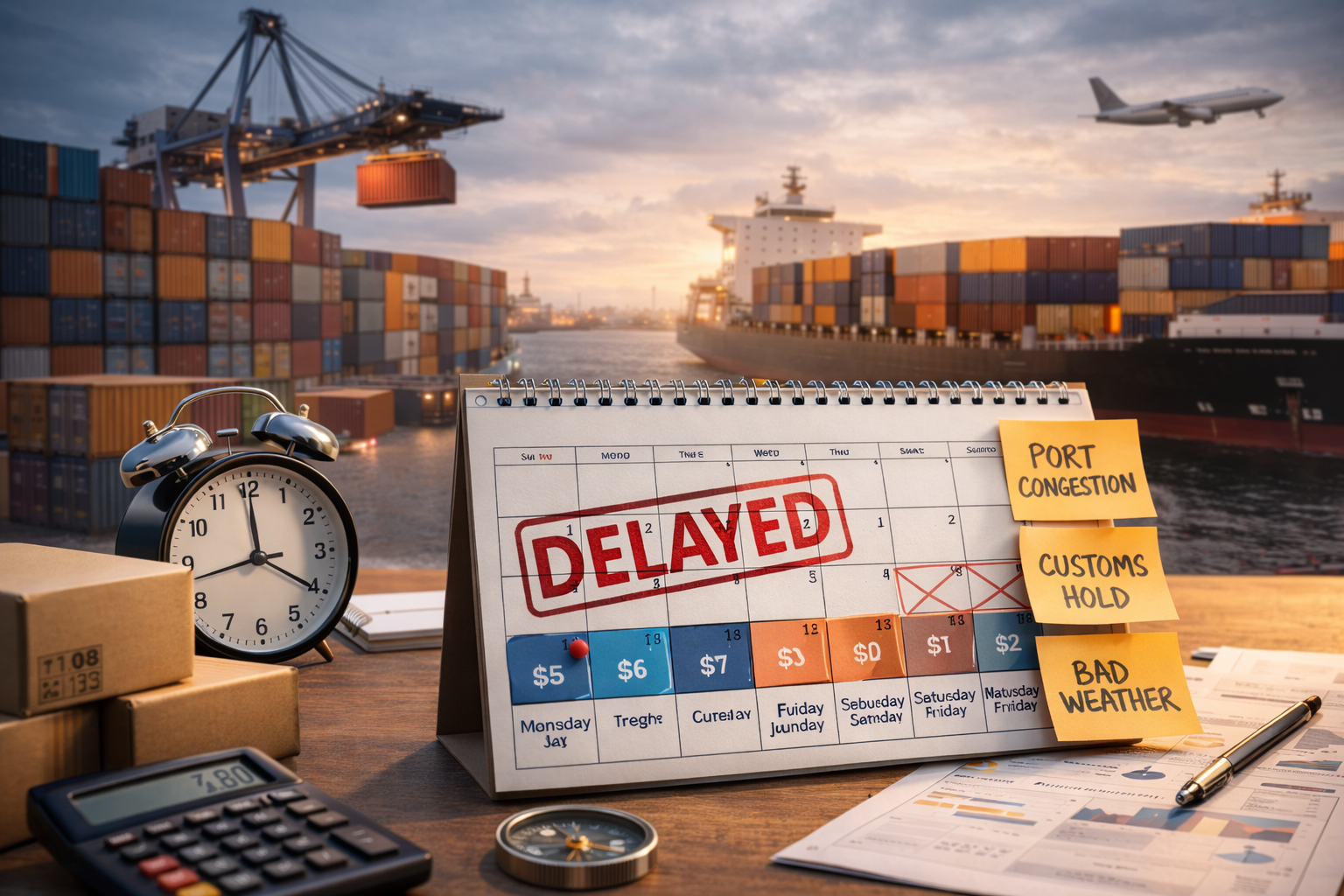
 5. Not Planning for Shipping Delays
International shipping rarely follows a perfectly predictable timeline.
Many businesses expect shipments to arrive exactly when the freight forwarder initially estimates. However, delays are common in global logistics.
Some of the most common causes of delays include:
port congestion
customs inspections
weather disruptions
documentation errors
peak shipping seasons
One major example is Chinese New Year, when many factories close for several weeks and shipping volumes surge before the holiday.
If businesses don’t plan their inventory timelines properly, delays can lead to:
stock shortages
lost sales
supply chain disruptions
Successful importers build buffer time into their shipping schedules to account for potential delays.
 6. Ignoring Customs Compliance
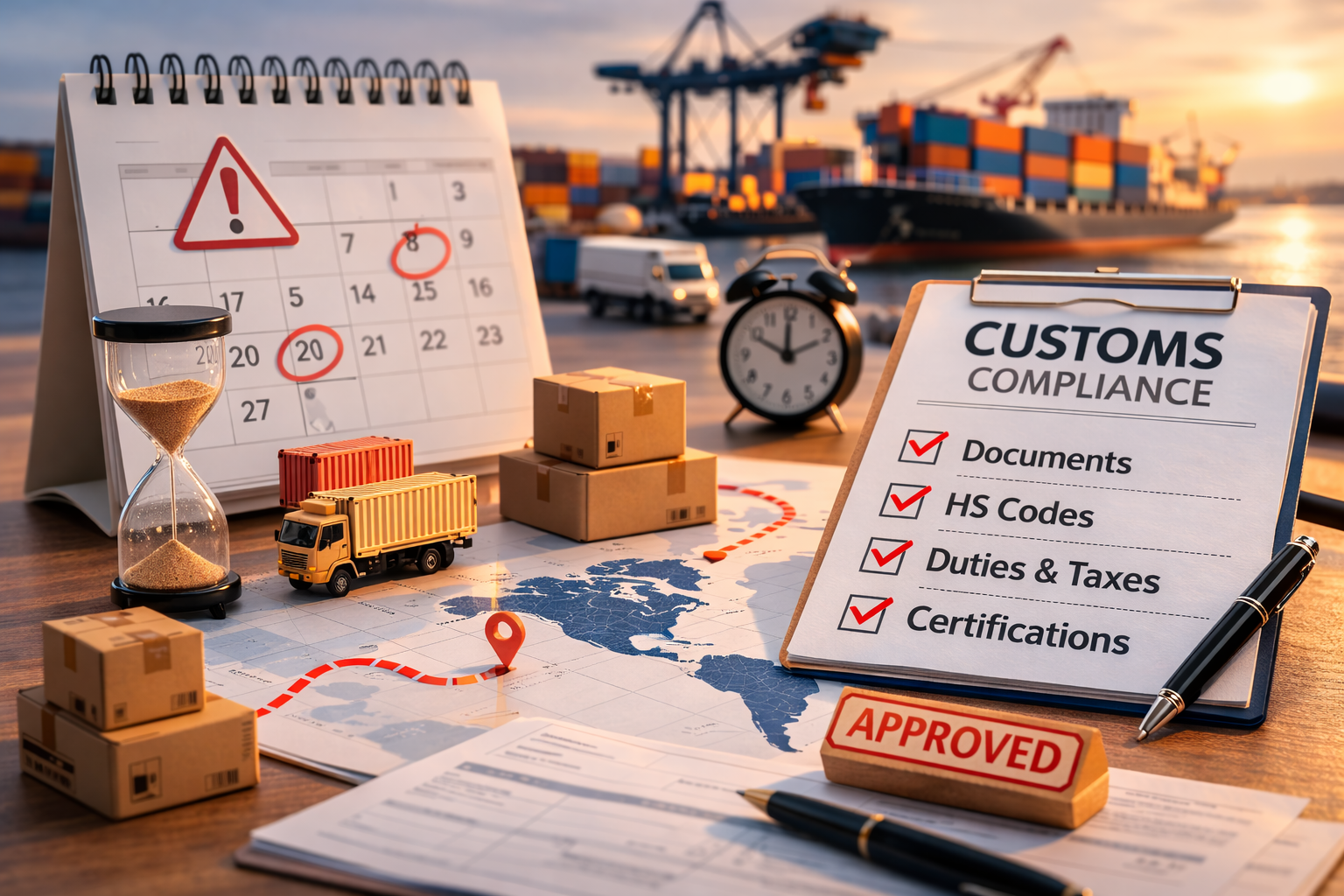
Customs clearance is one of the most complex parts of international shipping.
Each country has specific import regulations that determine:
which products can be imported
required documentation
duties and tariffs
safety certifications
If documentation is incomplete or inaccurate, customs authorities may hold shipments for inspection.
Common documentation requirements include:
commercial invoices
packing lists
product classification codes (HS codes)
certificates of origin
Working with experienced freight forwarders and customs brokers can help ensure that all required documents are prepared correctly.
This reduces the risk of customs delays or unexpected compliance issues.
 7. Not Building Relationships With Logistics Partners
Many businesses treat shipping providers as one-time service vendors rather than long-term partners.
However, strong logistics relationships can make a huge difference in supply chain reliability.
Experienced freight forwarders can help businesses:
identify the most efficient shipping routes
plan inventory timelines
reduce shipping costs
navigate customs regulations
handle unexpected disruptions
As your business grows and begins importing larger volumes, having trusted logistics partners becomes increasingly valuable.
Strong relationships improve communication, transparency, and overall supply chain efficiency.
 Simplifying Shipping With SourcewithAI
While understanding shipping terms, freight forwarders, and logistics strategies is important, many businesses still prefer a simpler process when it comes to importing products.
That’s why on SourcewithAI, we’ve designed the platform to make sourcing and shipping much more streamlined.
When users proceed to checkout, our system automatically provides multiple shipping options based on the order and destination. Instead of coordinating with freight forwarders or managing complex logistics decisions themselves, users can simply choose the option that works best for their timeline and budget.
In most cases, businesses don’t need to worry about the detailed logistics process. They only need to decide when they want the products to arrive, and the platform will suggest the most suitable shipping solution accordingly.
By combining product discovery, manufacturer connections, and built-in logistics options, SourcewithAI helps businesses move from sourcing to delivery much more efficiently.
 Final Thoughts
Importing products from China presents enormous opportunities for businesses, but it also requires careful planning.
Shipping mistakes are one of the most common reasons importers experience delays, unexpected costs, and supply chain disruptions.
Avoiding these common mistakes can make a significant difference in your operations:
Separate manufacturing and shipping responsibilities
Understand international shipping terms
Calculate your total landed cost accurately
Choose freight providers carefully
Plan for shipping delays
Ensure customs compliance
Build strong logistics partnerships
By understanding how international shipping works, businesses can gain more control over their supply chain and create a smoother importing process.
And when your logistics strategy is built correctly, global sourcing becomes far more efficient and far more profitable.
Written by
Eva Liu
March 11, 2026 · 6 min read