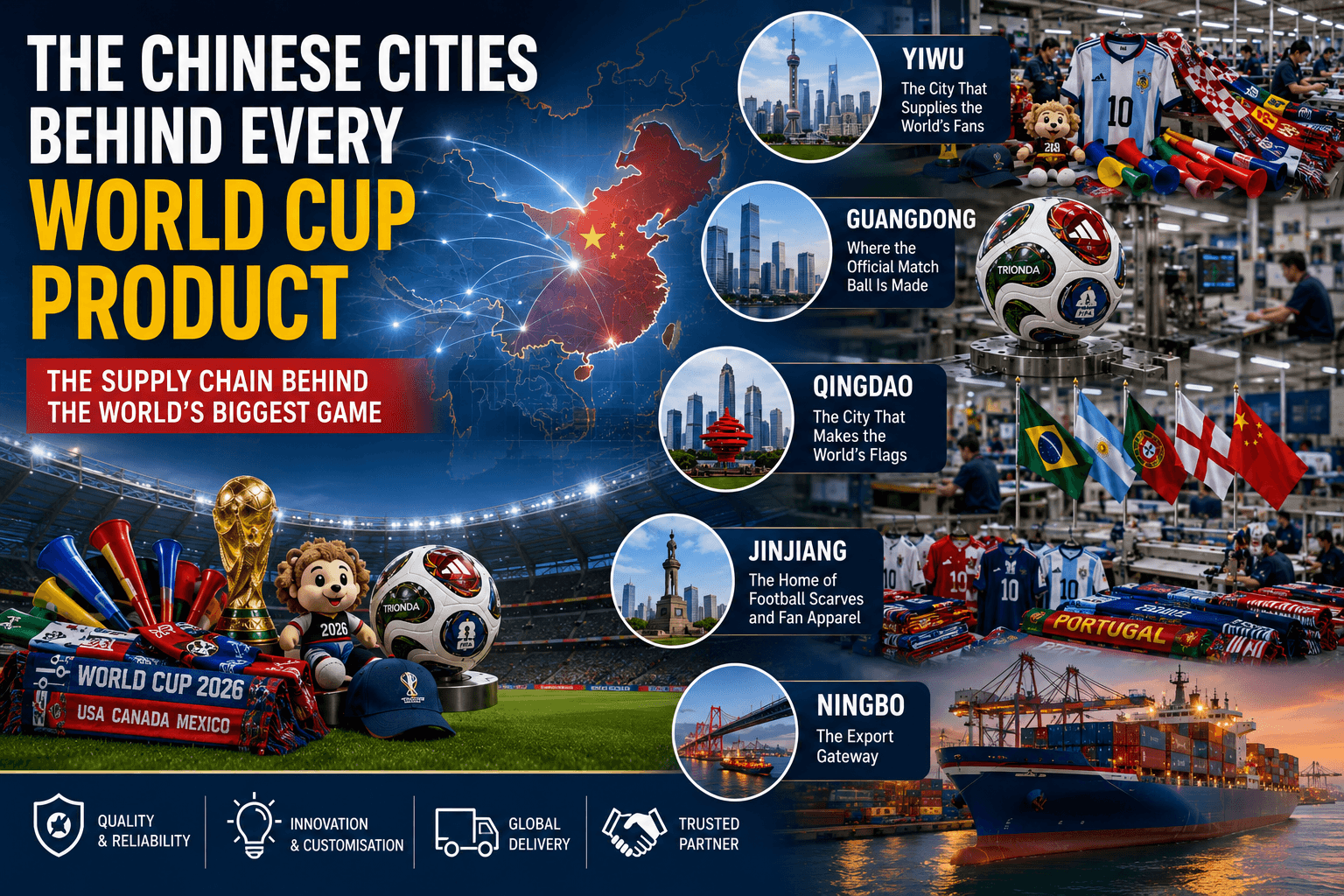

Walk into almost any store in the world, flip over a product, and there is a good chance you will see the same phrase: “Made in China.” From phone chargers and clothing to furniture, toys, and kitchenware, China has become the center of global manufacturing. This didn’t happen overnight. It is the result of decades of industrial development, infrastructure investment, and the creation of one of the most efficient production ecosystems the world has ever seen.
Today, China produces a massive share of the world’s consumer goods, and businesses across continents rely on Chinese factories to bring products to life. Understanding how this system works helps explain why China continues to dominate global manufacturing.
 The Power of Manufacturing Clusters
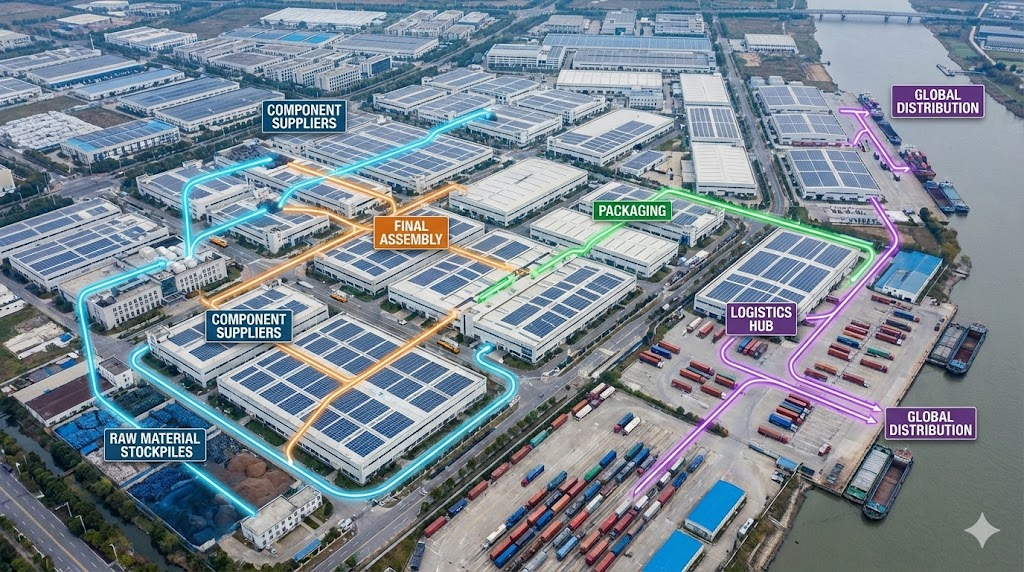
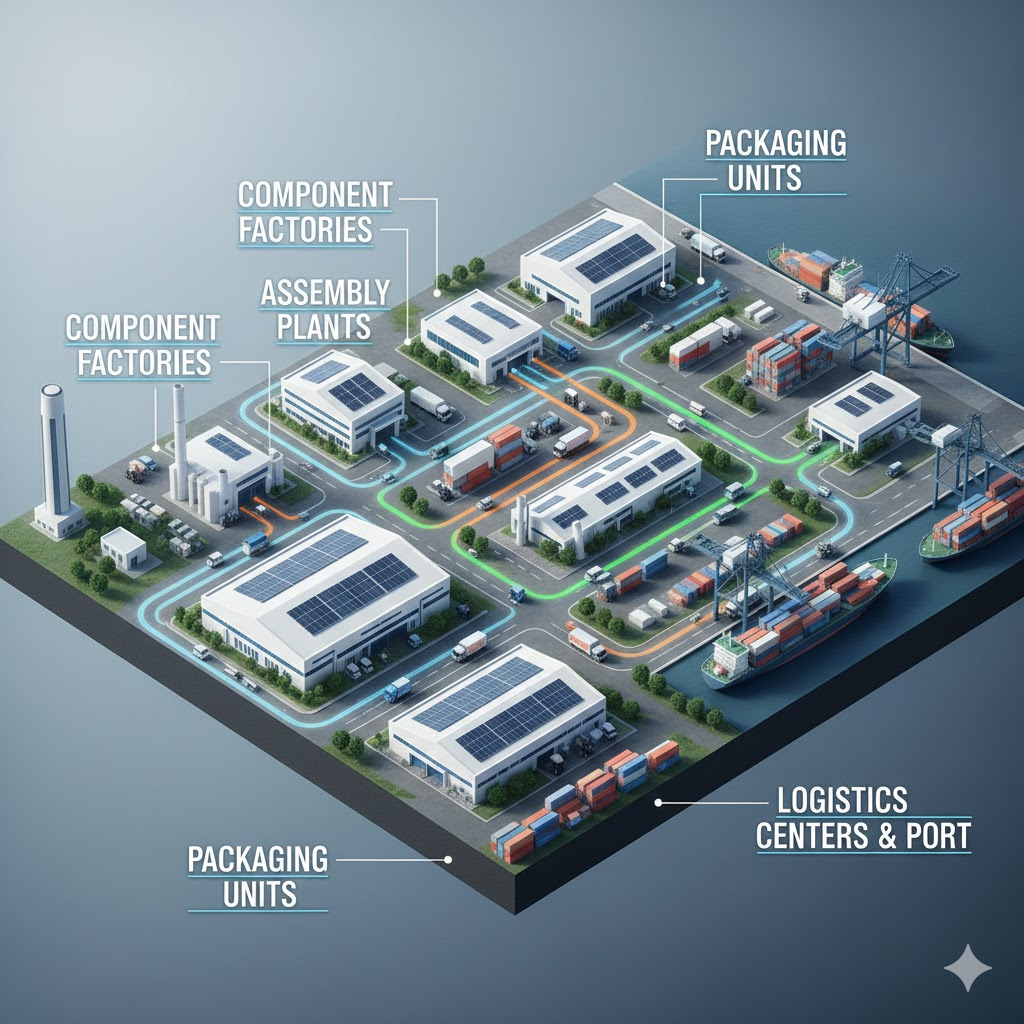
One of the main reasons so much is made in China is the country’s manufacturing clusters. Instead of factories being spread randomly across the country, industries are concentrated in specific cities or regions. These clusters include suppliers, raw materials, skilled workers, logistics companies, and supporting industries all located close to one another.
For example, a company producing electronics might find component manufacturers, circuit board suppliers, packaging companies, and assembly factories all within the same region. Because everything is nearby, production becomes faster, cheaper, and more efficient.
These clusters create a powerful ecosystem where businesses can move from product idea to finished product quickly. If a company needs to change a design or source a new component, it can often do so within days instead of weeks.
 Massive Production Capacity
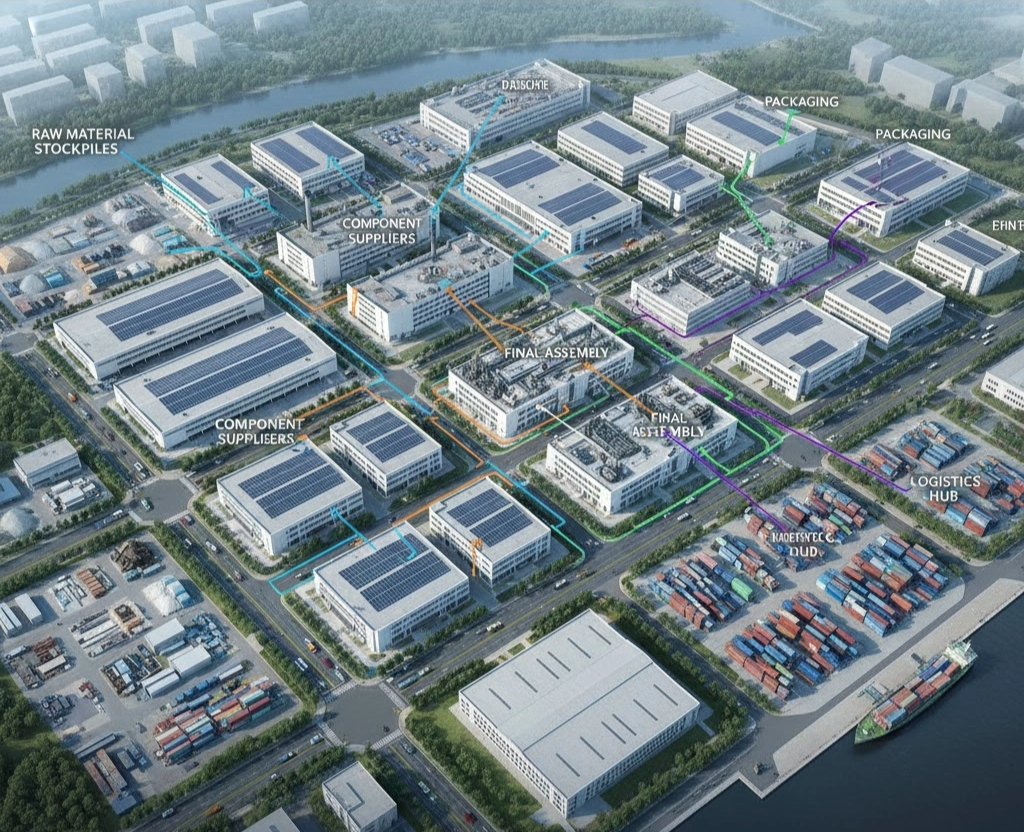
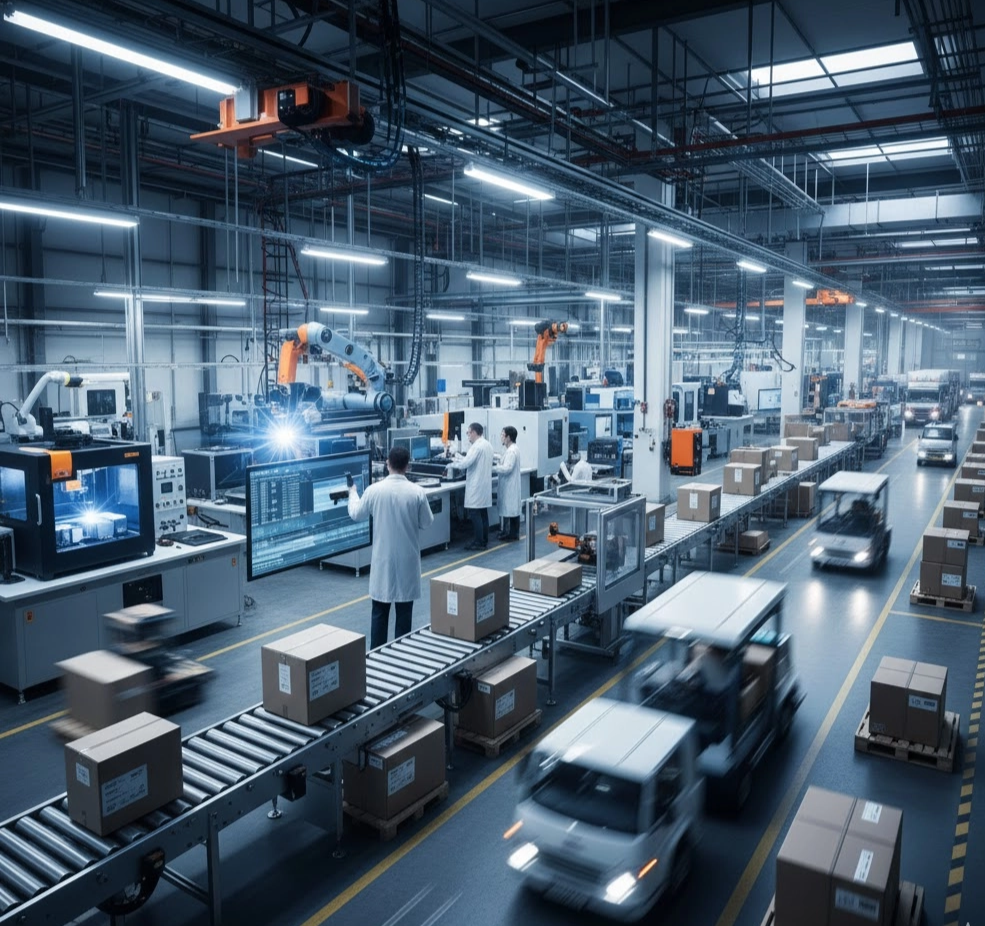
Another major reason China produces so much of the world’s goods is its production scale. Many factories in China are designed to handle very large volumes. This allows businesses to manufacture products at costs that are difficult to match elsewhere.
Factories often operate with specialized equipment, trained workers, and optimized assembly lines that reduce waste and increase efficiency. When thousands or even millions of units are produced, the cost per unit drops significantly.
This scale is especially important for global brands. When companies launch products worldwide, they need manufacturing partners that can handle sudden spikes in demand. Chinese factories are often built precisely for that.
 A Complete Supply Chain in One Country
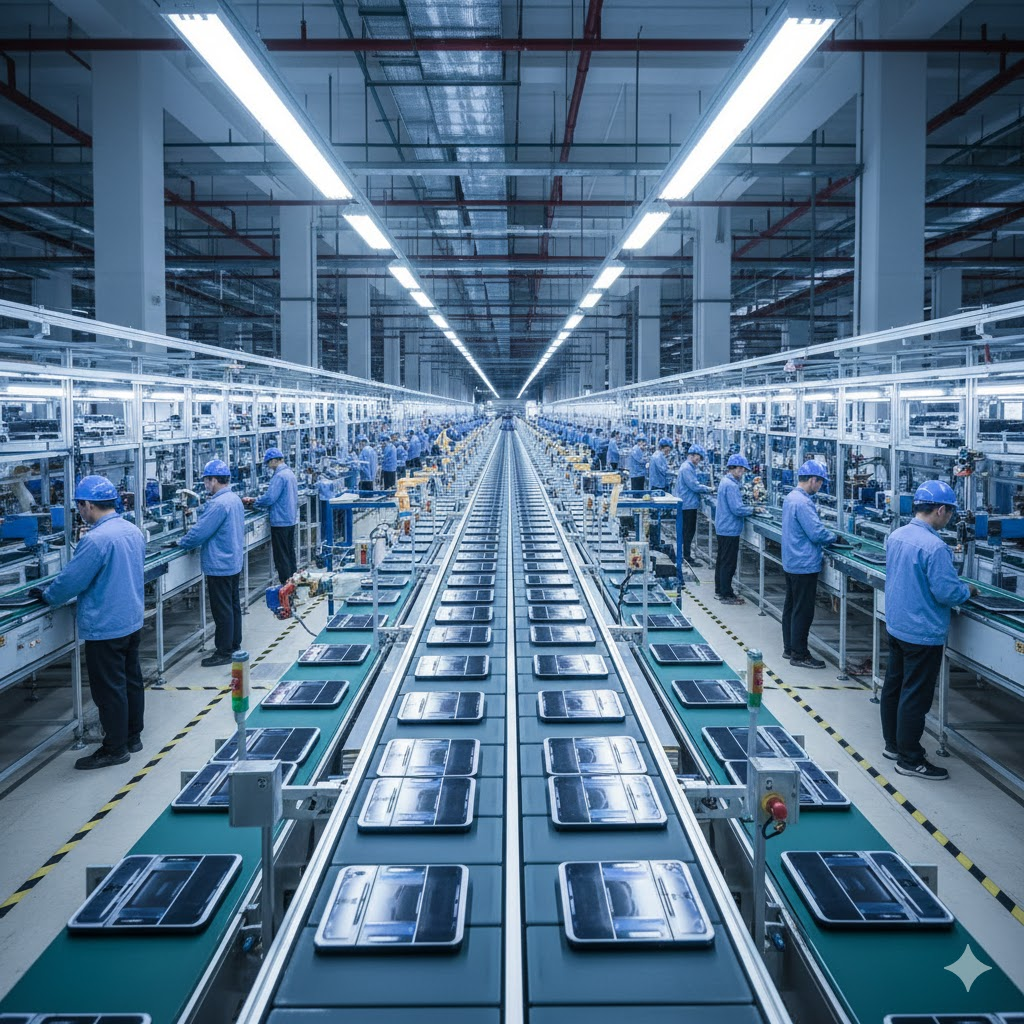
In many parts of the world, manufacturing requires importing components from several different countries. China is unique because so much of the supply chain already exists within its borders.
A product like a smartphone, for instance, requires dozens of components: chips, screens, batteries, cables, packaging, and more. In China, many of these suppliers operate within the same region. This dramatically reduces shipping time, coordination issues, and production delays.
Because of this integrated ecosystem, businesses can prototype, manufacture, and ship products far more efficiently than in fragmented supply chains.
Key benefits of this integrated system include:
Faster product development
Lower logistics costs
Easier supplier coordination
Faster scaling of production
This is one of the biggest structural advantages China has built over time.
 Infrastructure That Supports Global Trade
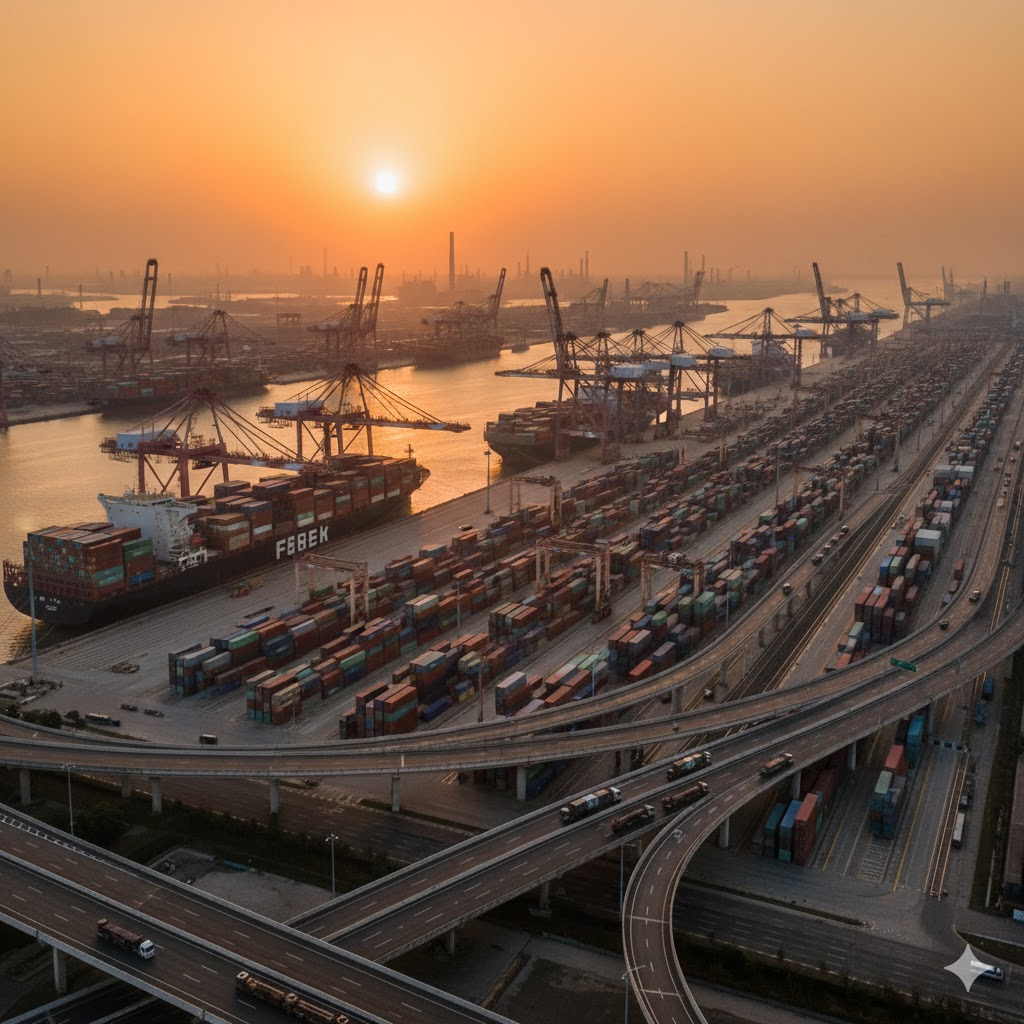
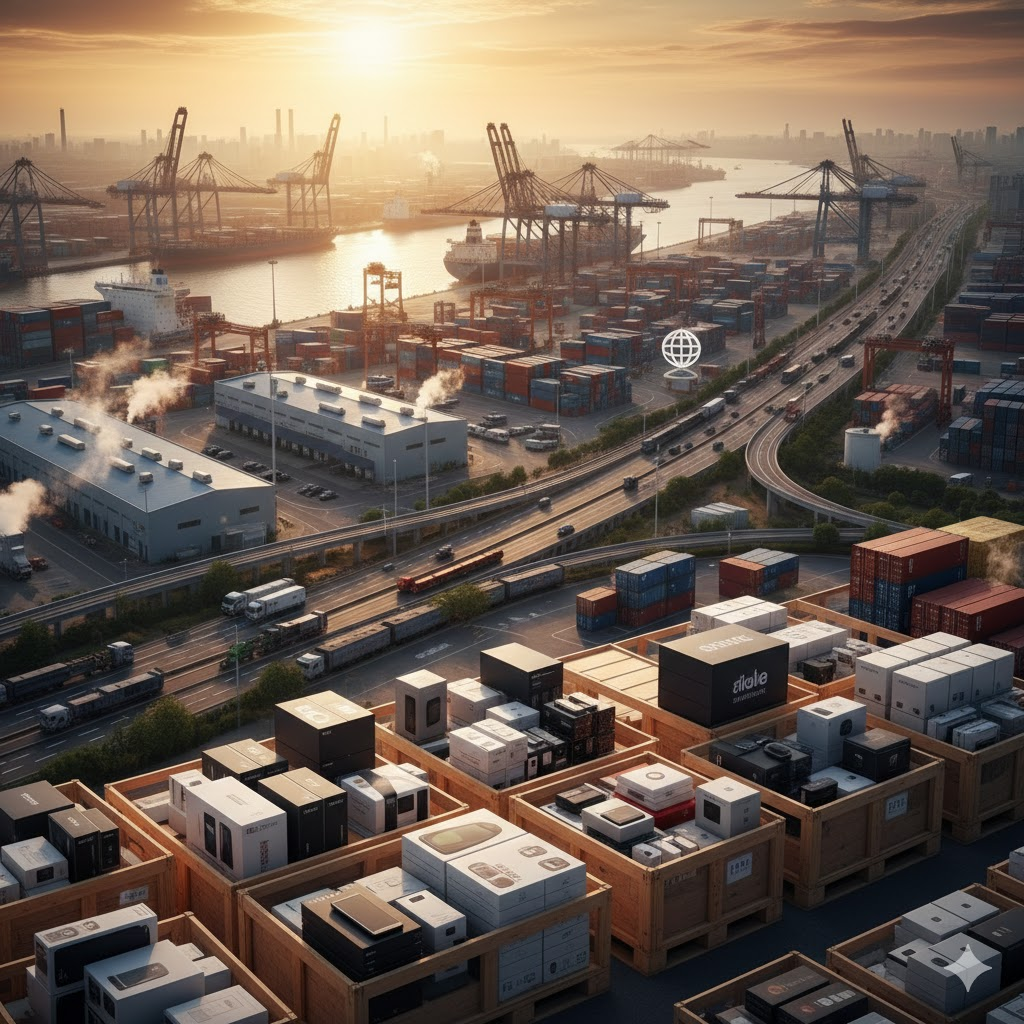
China has invested heavily in infrastructure designed to support manufacturing and exports. Ports, highways, rail networks, and industrial zones allow goods to move quickly from factories to international markets.
Many major manufacturing cities are located near ports, which reduces the time and cost involved in exporting products. Efficient logistics networks mean raw materials arrive quickly and finished products are shipped globally without unnecessary delays.
For businesses importing products, this infrastructure makes sourcing from China more reliable compared to regions where logistics are less developed.
 Skilled Workforce and Manufacturing Experience
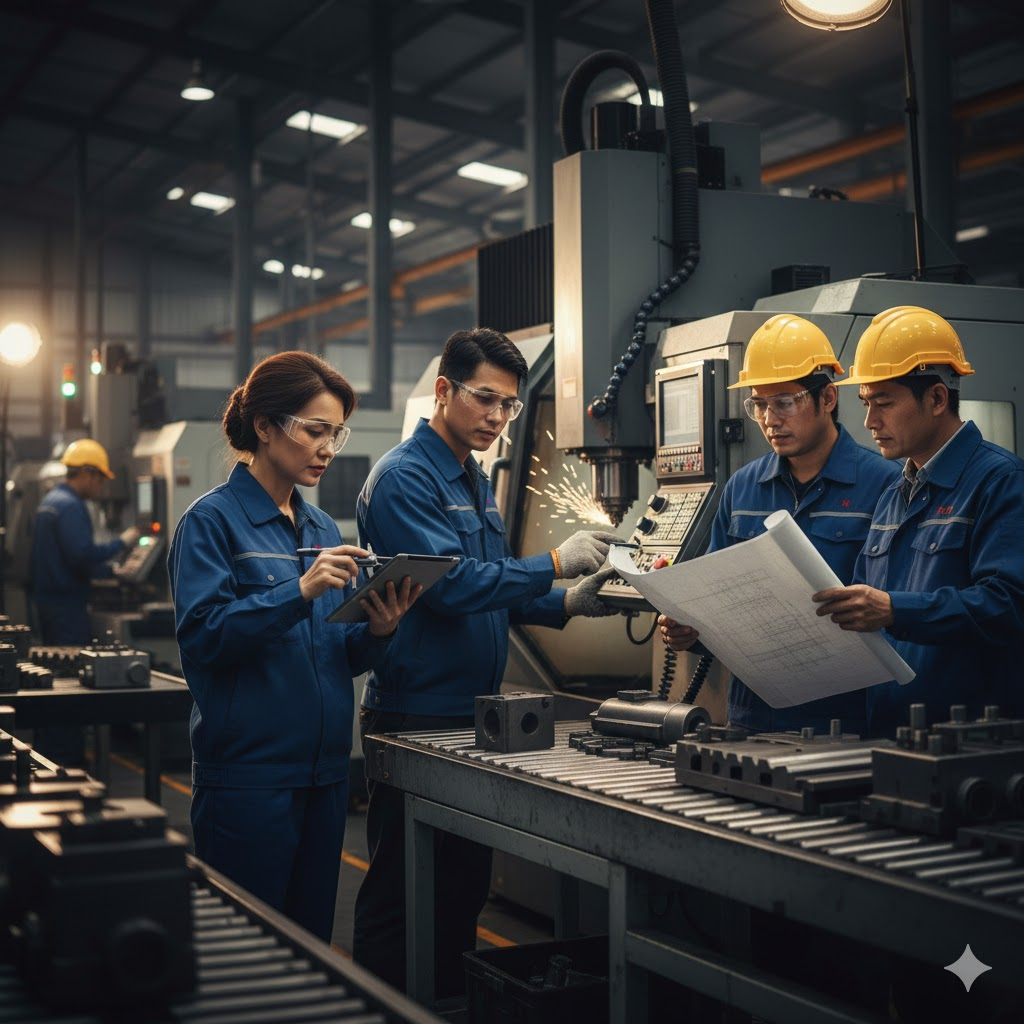
China’s manufacturing strength is not only about factories and machines. It is also about the people behind them. Over the years, millions of workers have developed specialized skills across different industries.
Entire cities have generations of workers experienced in particular types of production, whether it is electronics assembly, garment manufacturing, metalworking, or plastics. This accumulated knowledge improves efficiency and reduces mistakes during production.
Many factories also have engineering teams that help businesses refine product designs, improve manufacturing processes, and reduce costs. For companies developing new products, this expertise can be extremely valuable.
 Flexibility for Businesses of All Sizes
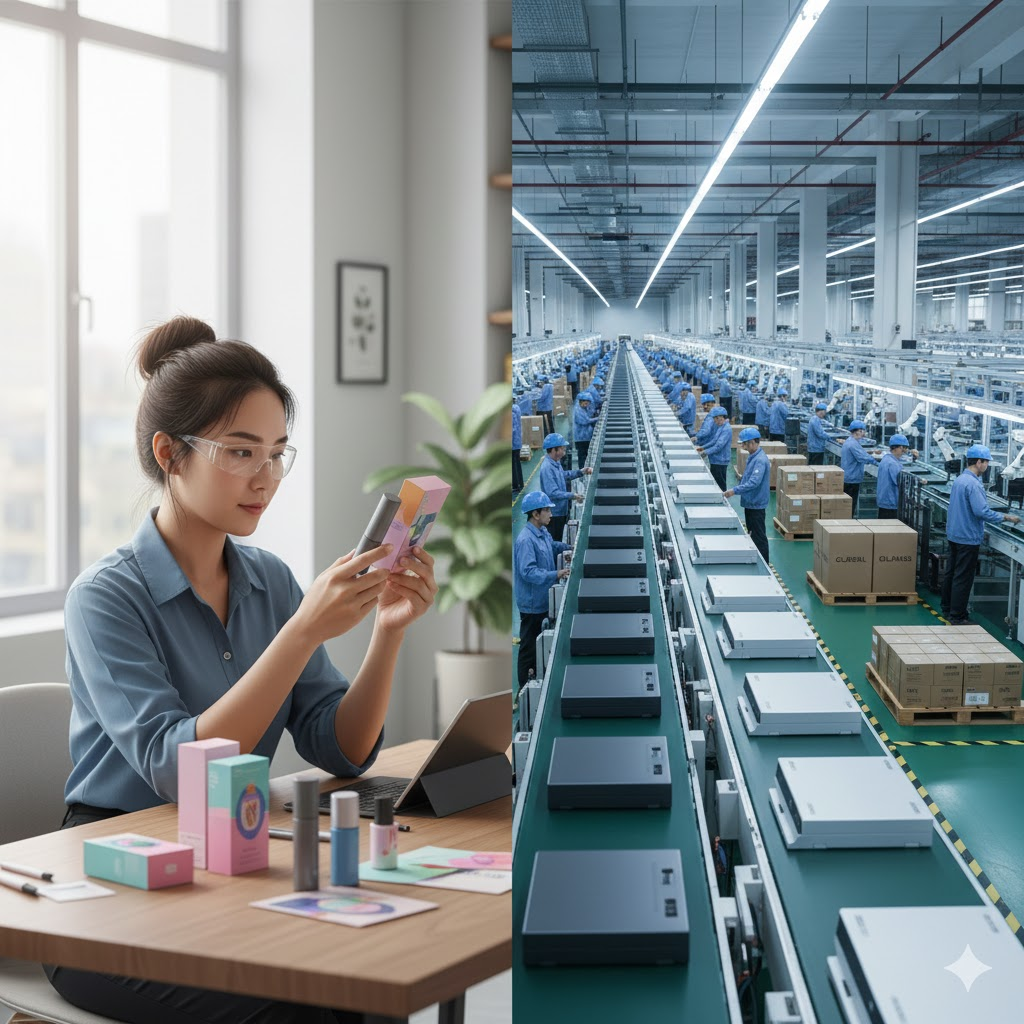
Another reason businesses continue to rely on China is its ability to support both small startups and large global brands.
For startups, many suppliers offer:
Lower minimum order quantities
Private labeling options
Access to ready-made product designs
For larger companies, factories can scale production rapidly and maintain consistent quality across massive orders.
This flexibility makes China attractive to a wide range of businesses, from small online sellers to multinational corporations.
 The Speed Advantage
In manufacturing, speed can be a competitive advantage. Chinese production ecosystems allow companies to move quickly from idea to finished product.
Because suppliers, materials, packaging, and logistics providers are often located nearby, businesses can shorten development cycles significantly. A product concept can move from prototype to large-scale production much faster compared to many other manufacturing regions.
This speed has helped fuel industries such as consumer electronics and fast fashion, where product cycles are short and companies must respond quickly to market trends.
 Why the World Still Depends on China
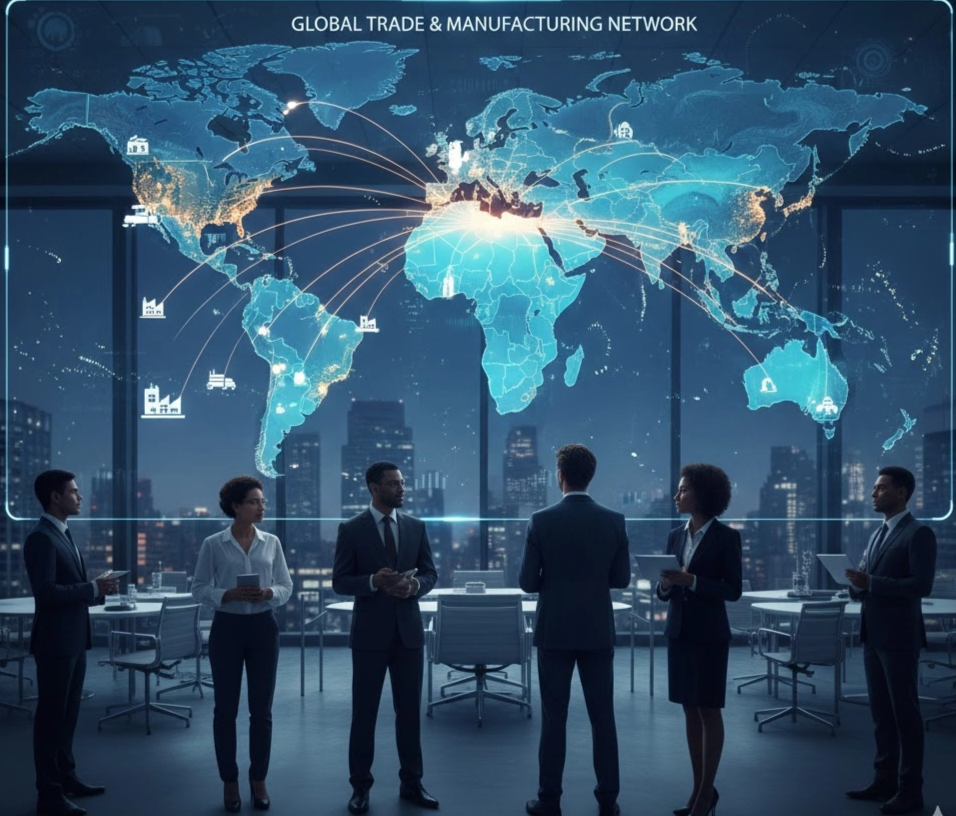
In recent years, some companies have explored manufacturing in other countries. However, replacing China entirely is difficult because the advantages built over decades are hard to replicate.
China combines several strengths in one place:
Large-scale production capacity
Established supplier ecosystems
Skilled labor and technical expertise
Efficient logistics and infrastructure
Competitive pricing
Few countries currently offer all of these factors simultaneously.
As a result, even companies diversifying their supply chains often continue to rely on China for a significant portion of their manufacturing.
 Final Thoughts
China’s position as the world’s manufacturing powerhouse is the result of long-term strategy, investment, and industrial specialization. Entire regions are built around producing specific goods, supported by infrastructure and supply networks that make production highly efficient.
For businesses, this means that China is not just a place where products are made — it is a system designed to turn ideas into physical goods at scale.
From small everyday items to complex technology products, the phrase “Made in China” reflects a manufacturing ecosystem that has shaped global commerce for decades. And for now, it remains one of the most powerful engines behind the products people use every day.
Written by
Eva Liu
February 27, 2026 · 5 min read