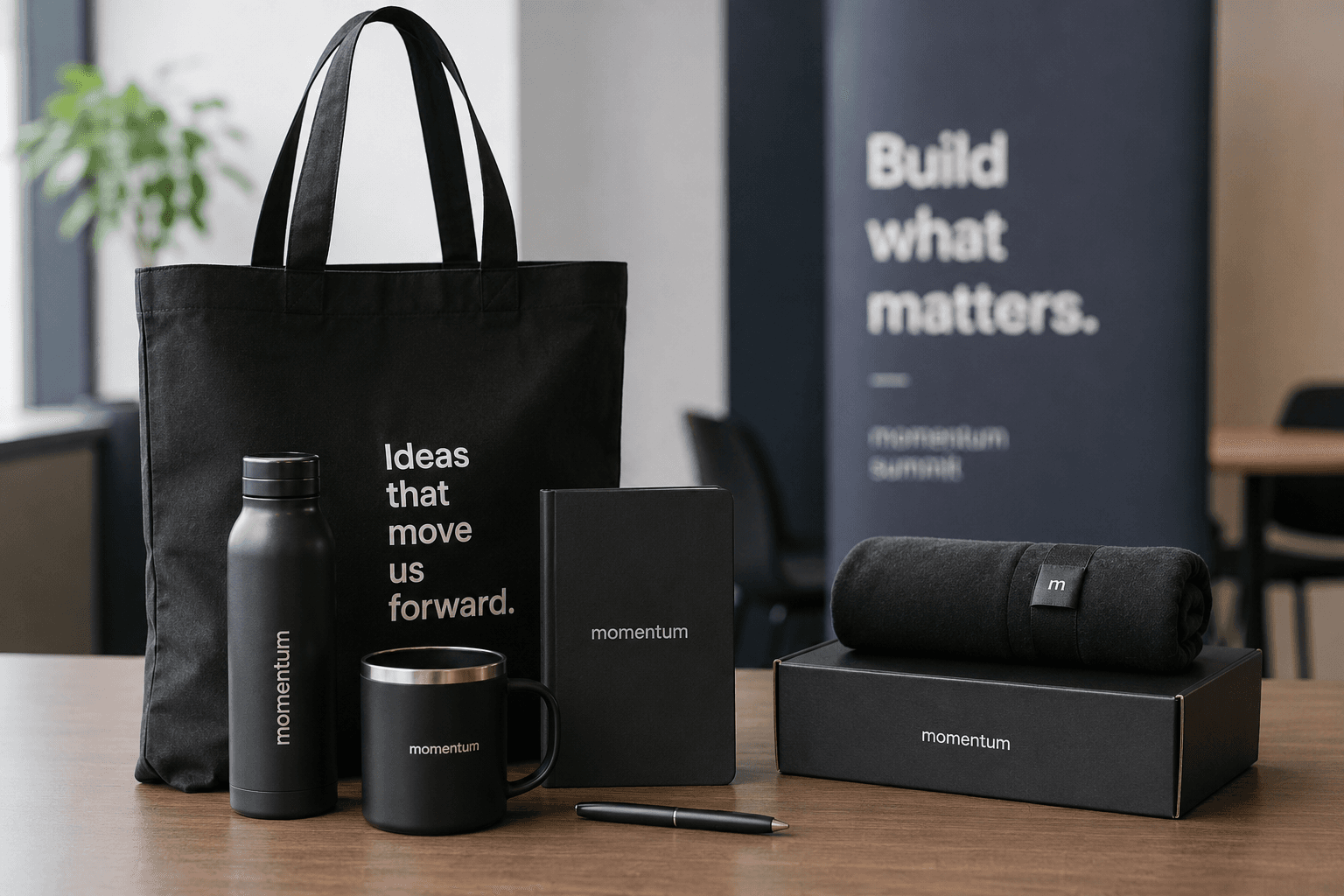
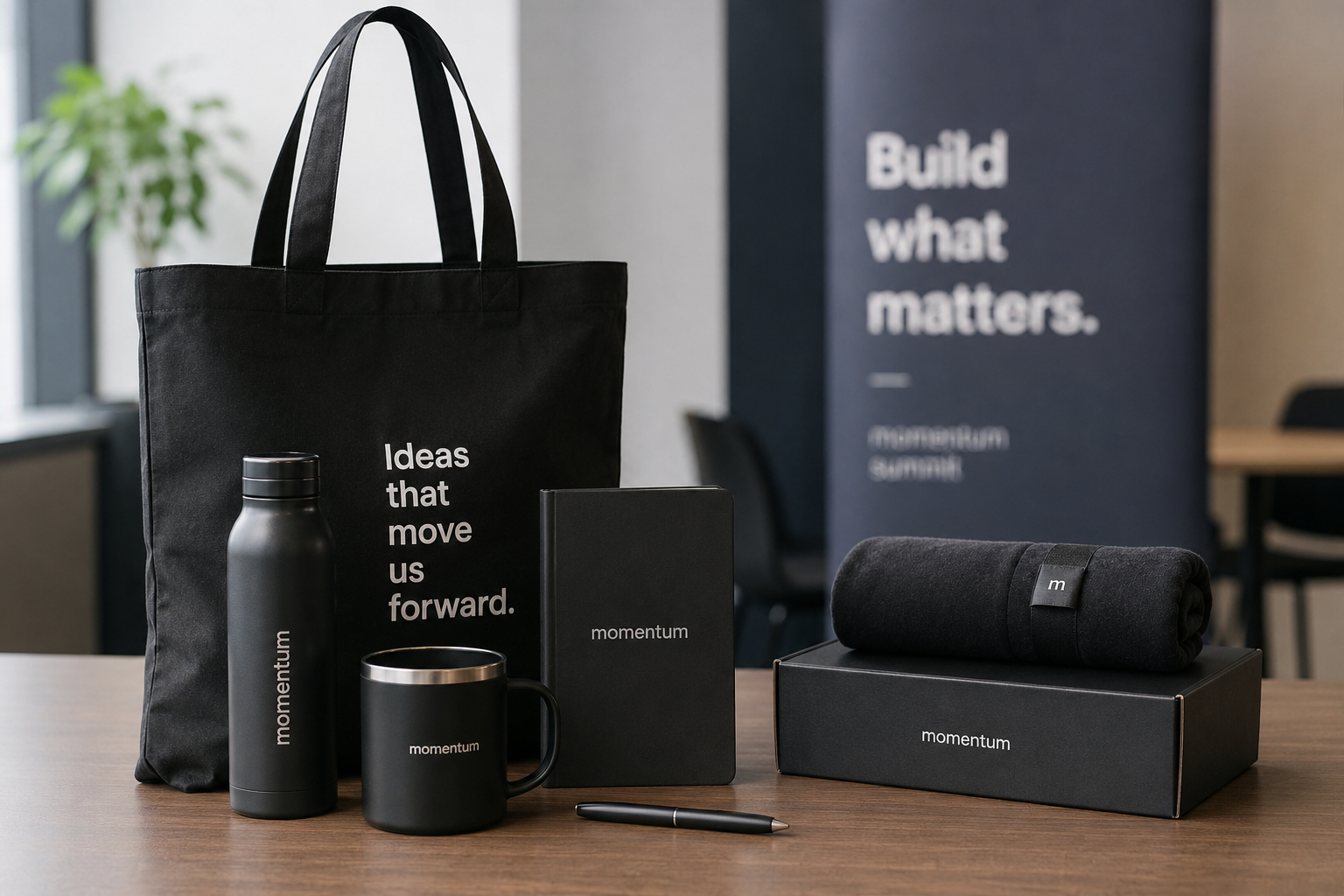
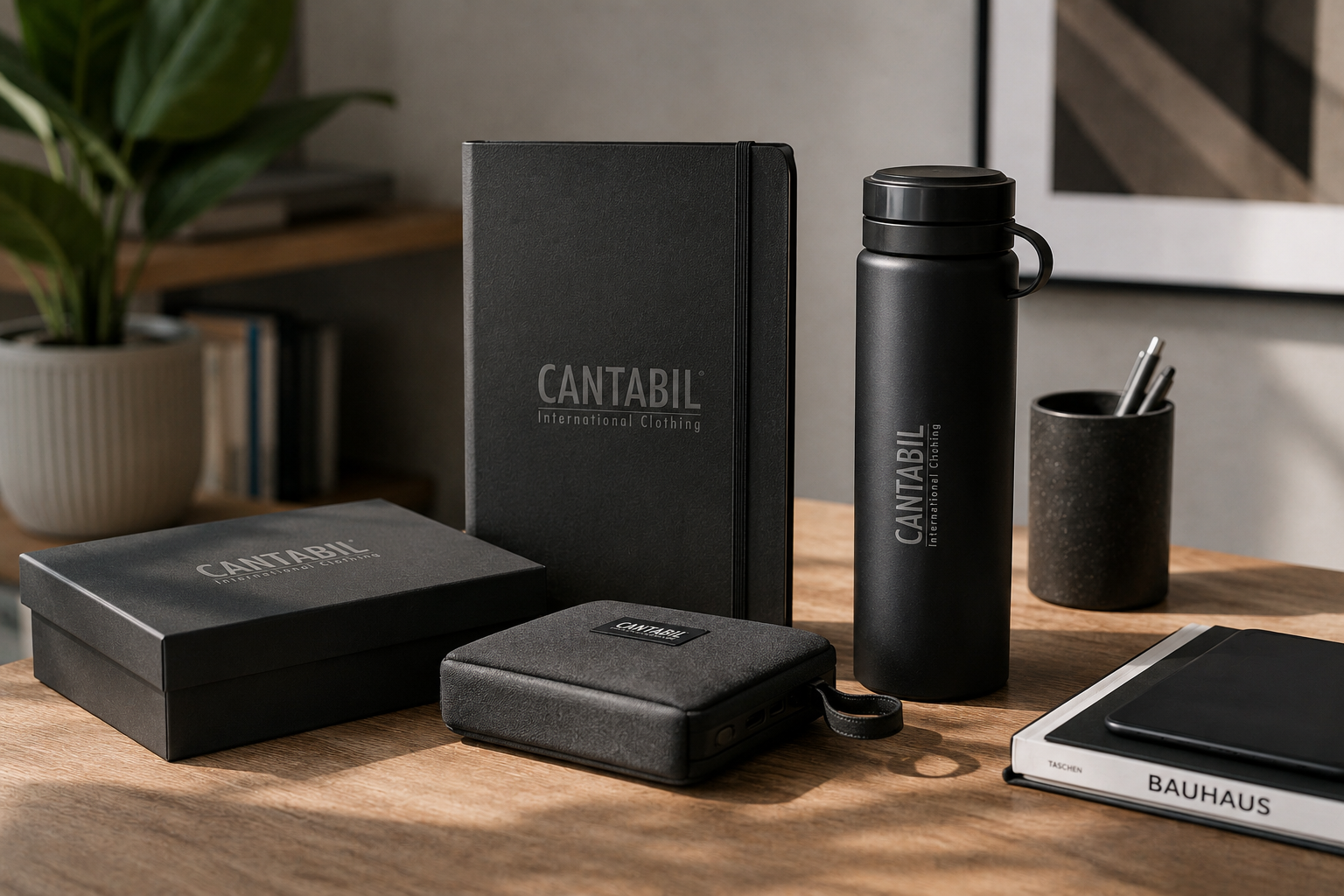
Walk into any corporate event or brand activation today and something has quietly changed. The tote bag on the welcome table has structure. The notebook has decent paper and a lay-flat binding. The drinkware looks like something you'd actually buy for yourself. Products that once looked unmistakably like branded giveaways are starting to feel like things people would choose.
This shift is real, and it's worth understanding not just as a trend, but as a practical question about how to spend a gifting budget more effectively.
Why Corporate Gifts Are Becoming More Retail-Like
The short answer is that recipients have changed. The people receiving corporate gifts today are used to well-designed products across every part of their lives. When a branded item lands in front of them, they evaluate it the same way they evaluate anything else by how it feels, how useful it is, and whether it fits into their day.
A thin tote bag with a large centred logo doesn't just feel cheap. It communicates something about the brand behind it. On the other hand, a bag that stands upright, closes securely, and has a considered interior layout communicates something else entirely that someone thought carefully about what they were giving.
This is why the most effective corporate gifts in 2026 are increasingly designed around usefulness first and branding second. The logo is still there. It's just not the whole brief.
Which Gifting Occasions Justify a Quality Upgrade
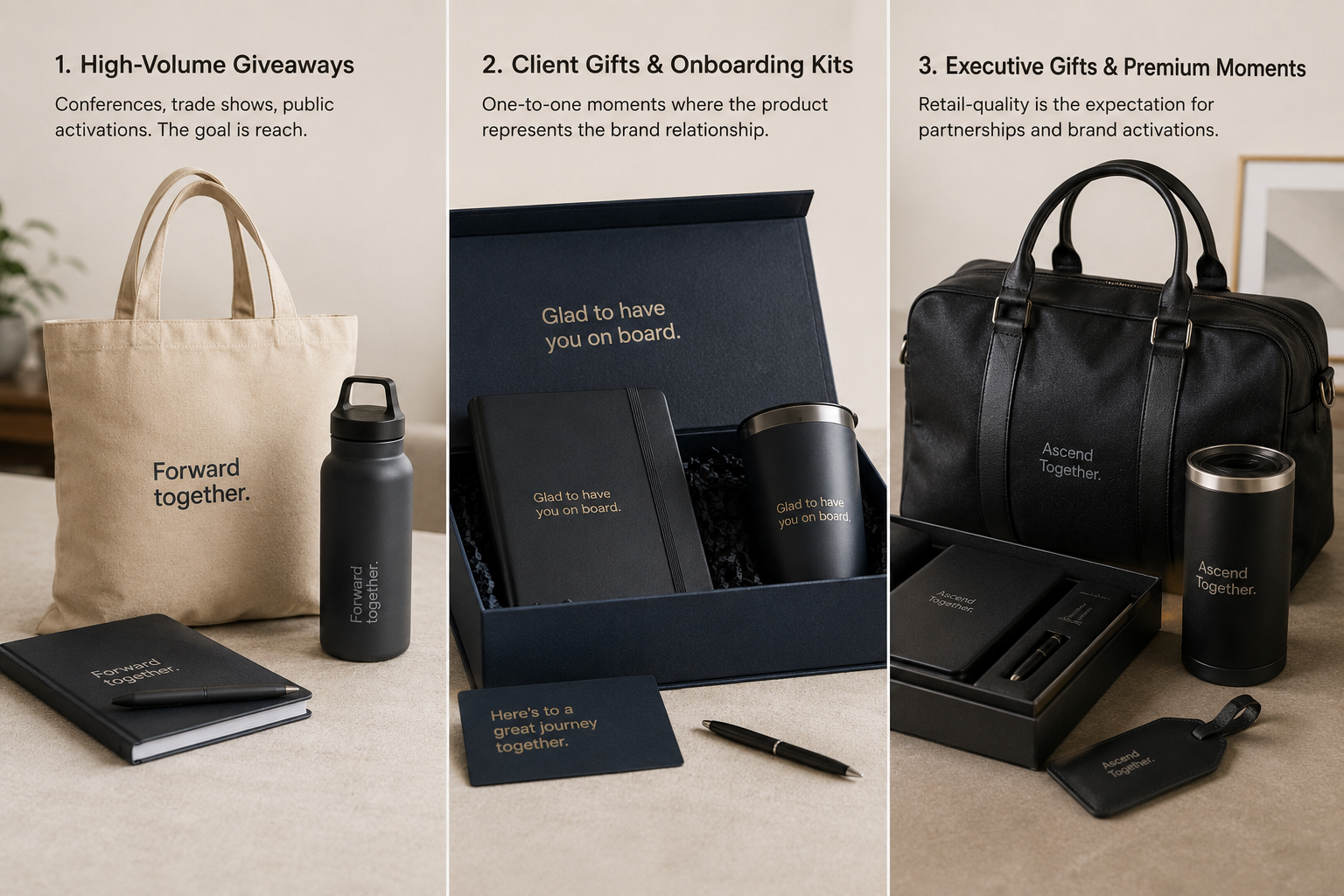
Not every gifting occasion requires the same level of product. It helps to think in tiers.
For high-volume event giveaways conferences, trade shows, public activations a clean, well-specified basic product is often the right call. The goal is reach, and budget needs to stretch across large quantities.
For client gifts, onboarding kits, and corporate hospitality, the calculus changes. These are one-to-one moments where the product represents the brand relationship directly. A well-made, thoughtfully branded item at this level tells the client something about how the company works. A forgettable one does the opposite.
For executive gifts, long-term partnership recognition, or premium brand activations, a retail-quality product is not a luxury it's the expectation. The recipient will compare it, consciously or not, to the quality of products they choose for themselves.
Understanding which tier you're working in is the first step to spending the budget where it makes the most difference.
Basic, Better, and Retail-Like: What the Difference Actually Looks Like
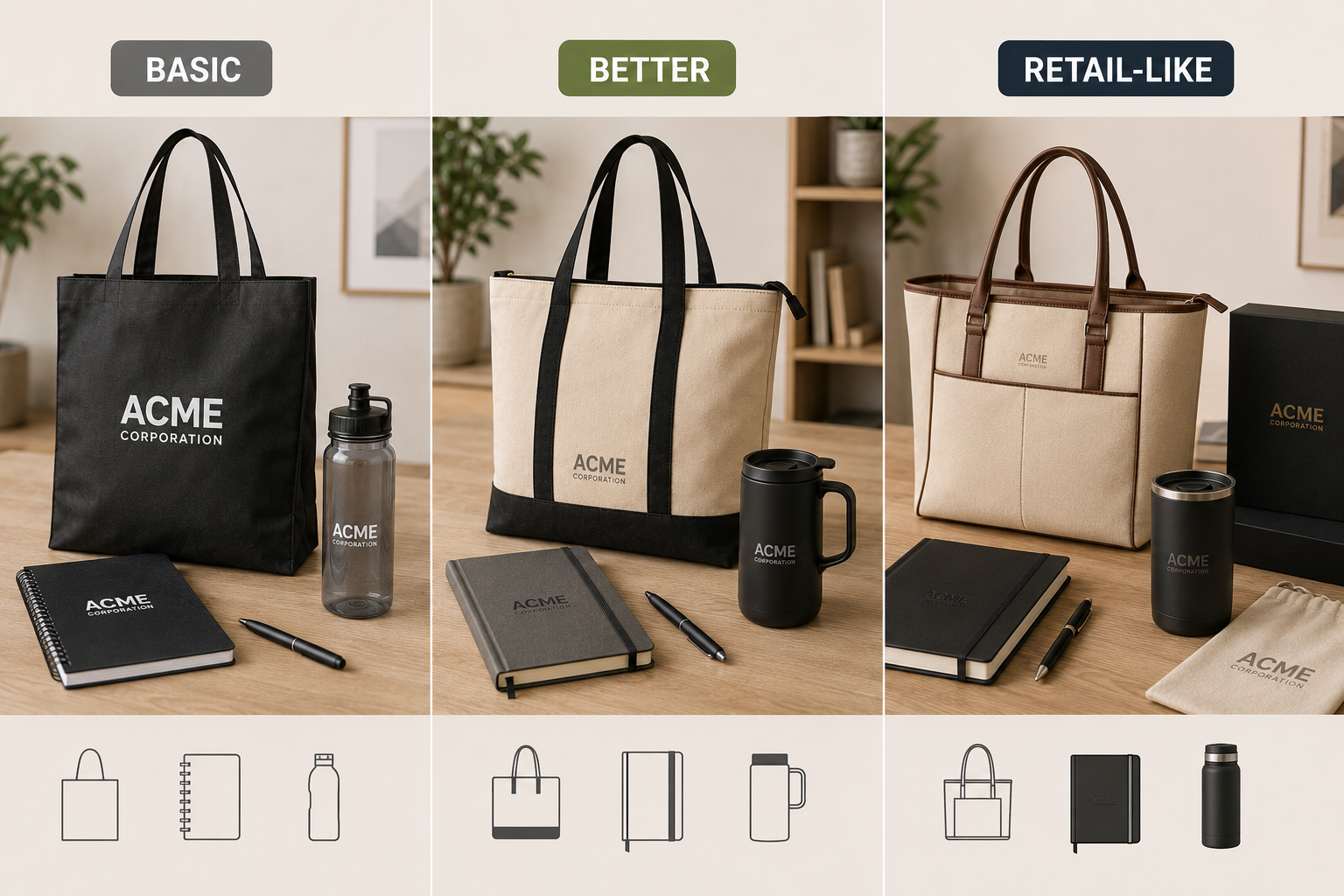
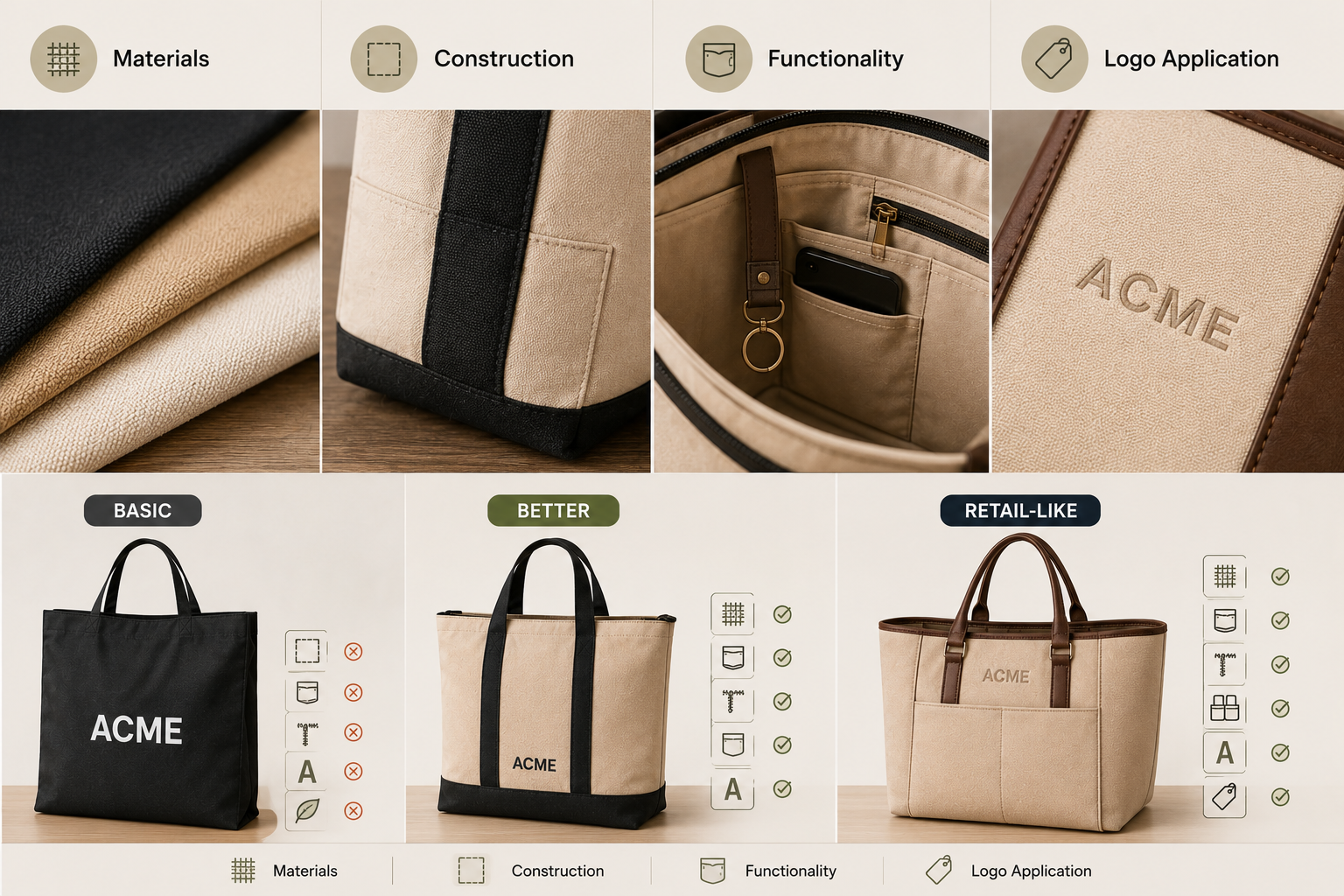
Using the tote bag as an example one of the most common corporate gifting products here is how specification changes the outcome across three levels.
Basic
Non-woven polypropylene fabric, open top, single compartment, large logo centred on the front. Functional for a single use. Often discarded shortly after the event.
Better
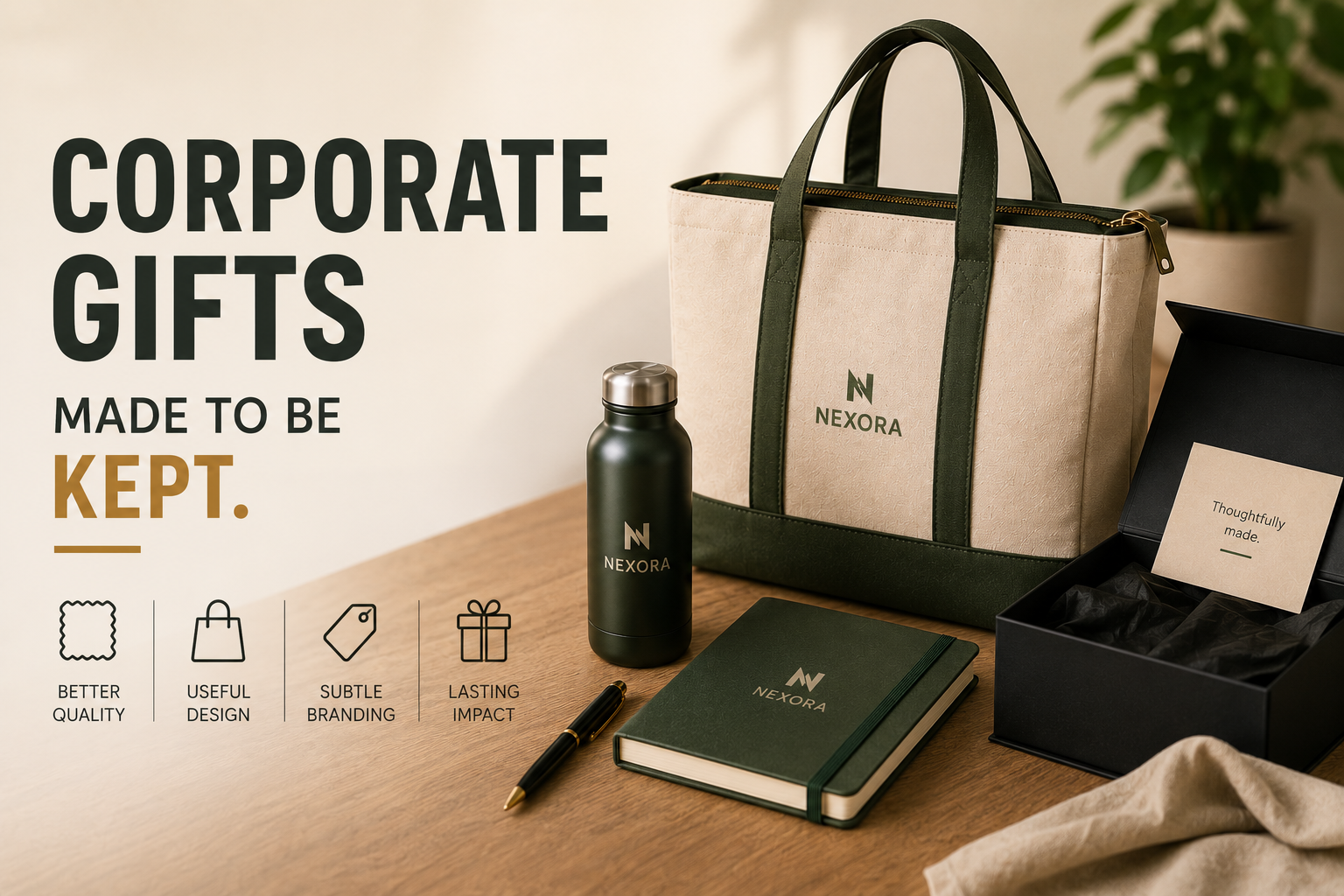
280gsm canvas or woven cotton, reinforced base, zip closure with a custom pull, one internal pocket, logo reduced in size and placed more discreetly. Holds its shape, feels more substantial, and is more likely to be used again.
Retail-Like
Structured canvas with a padded base panel, full interior organisation phone pocket, card slot, key loop subtle tonal logo or embossed interior label, custom lining, and finished with a branded dust bag or box. This is a product someone would carry by choice, not obligation.
The jump from Basic to Better is often smaller in cost than expected. The jump from Better to Retail-Like is more significant, but may be appropriate for the right occasion and recipient.
The same logic applies to notebooks paper weight, binding type, elastic closure and to drinkware —wall construction, lid design, material finish. In each case, a small number of specification decisions determine whether the product feels considered or disposable.
How Materials, Construction, Functionality and Logo Application Affect Cost
Four factors drive most of the cost difference between a basic corporate gift and a retail-quality one.
Materials are the most visible lever. Fabric weight, canvas grade, metal versus plastic hardware, paper quality these are the decisions that recipients feel immediately. Upgrading material is almost always the single most impactful change per dollar spent.
Construction determines how the product holds up over time and how it feels in use. A reinforced base, structured side panels, and quality stitching add cost at the manufacturing stage but significantly change the product's perceived durability and quality.
Functionality zip closures, interior pockets, card slots, adjustable straps adds perceived value without always adding significant cost, particularly when designed into the product brief from the start rather than added as an afterthought.
Logo application affects both cost and perception. A large screen print is inexpensive. An embroidered logo, debossed detail, tonal print, or interior label requires more process but results in a product that feels branded rather than advertised. The choice of application method is as important as the logo design itself.
Understanding how these four factors interact and where the budget is best spent within them is where sourcing knowledge makes a practical difference.
Four Details to Confirm When Sourcing from China
When sourcing upgraded corporate gifts from China, these are the details that most often determine whether the final product matches the brief or falls short of it.
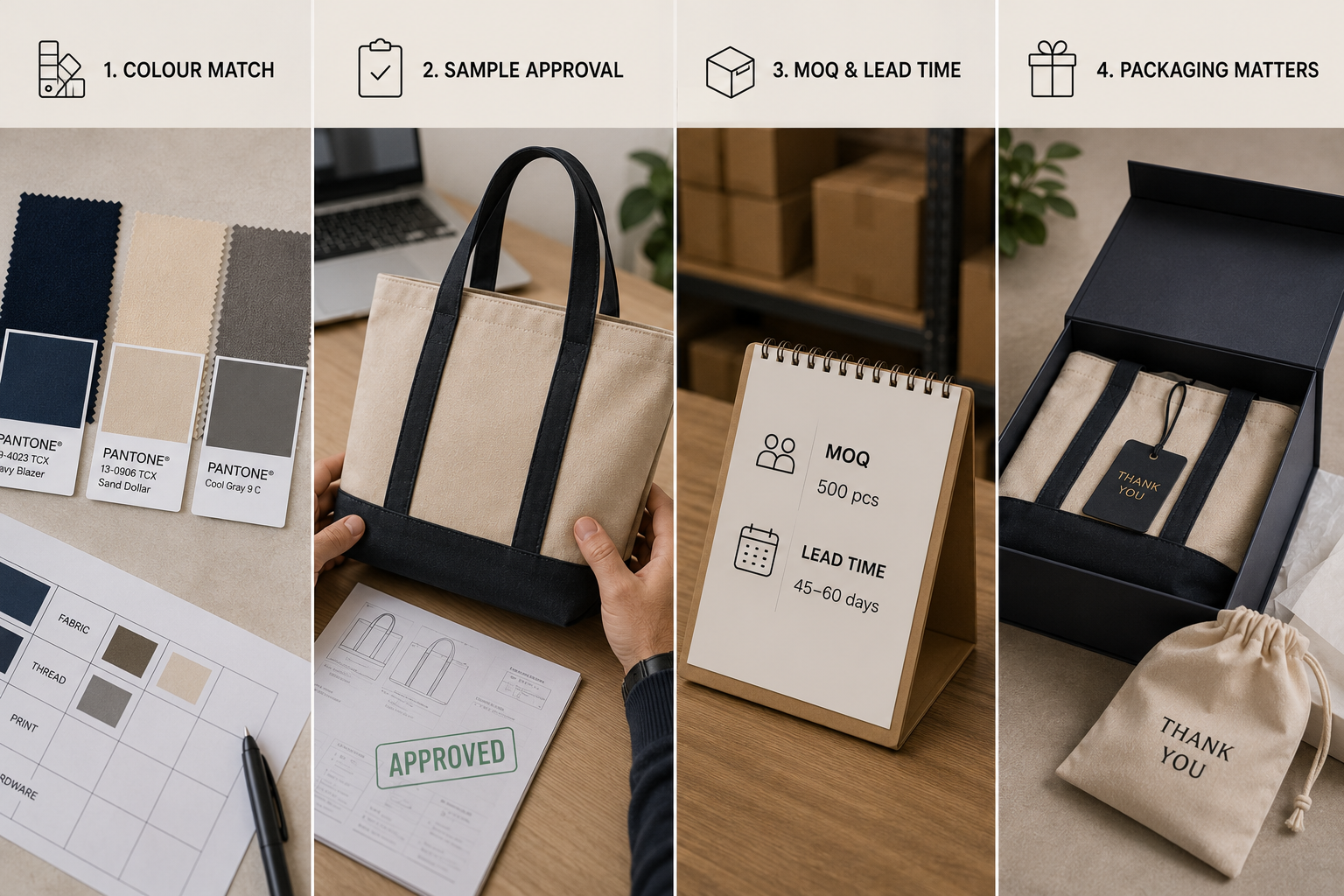
Pantone colour references, not descriptions. "Navy blue" means something different in every factory. Providing exact Pantone references for fabric, thread, print and hardware eliminates the most common source of colour deviation between sample and bulk production.
Sample approval before bulk. For any customised or upgraded product, a physical sample should be approved before production begins. This is especially important when combining multiple specification upgrades structure, closure, interior layout that interact with each other in ways that are difficult to assess from a technical drawing alone.
MOQ and lead time implications of customisation. Full custom manufacturing increases both MOQ requirements and lead time. In many cases, starting from a well-designed existing product and adjusting colour, packaging, or logo application achieves a premium result with more manageable MOQs and shorter production timelines. This is worth exploring before committing to a fully custom brief.
Packaging as part of the product. How a gift arrives matters as much as what it is. A retail-quality product that arrives in a generic polybag loses much of its impact. Specifying packaging a custom box, a dust bag, branded tissue as part of the original brief rather than adding it later gives a more consistent result and often a more practical landed cost.
A Typical Product Upgrade Example
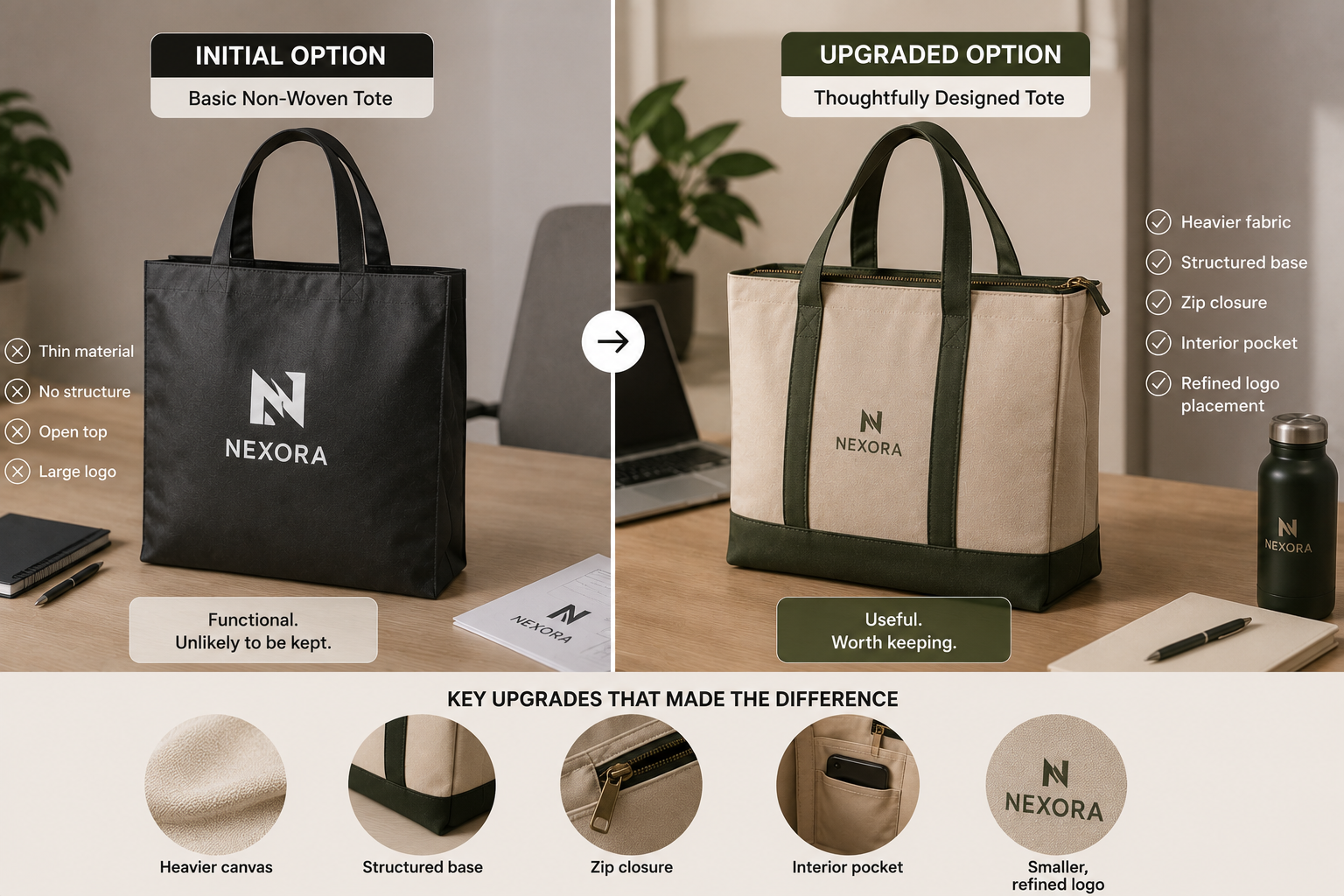
A situation we see regularly: a company needs a branded tote bag for a client event. The initial brief is straightforward a reasonable quantity, a set budget, the company logo on the front.
The first factory option meets the brief on paper. The bag is within budget, the logo fits, and the lead time works. But the product is a standard non-woven tote floppy, open-topped, and unlikely to be used more than once.
Rather than accepting this as the only option, the brief is reconsidered from the product up. What would make this bag worth keeping? A heavier fabric, a base that holds its shape, a zip that keeps belongings secure, an interior pocket for a phone. And a logo placement that feels like a brand mark rather than an advertisement.
The result is a bag that the recipient actually uses. Not every upgrade listed above may be achievable within every budget but identifying which two or three details make the most difference, and prioritising those, consistently produces a stronger outcome than accepting the first option at face value.
This kind of product thinking asking what makes something worth keeping before asking what meets the minimum brief is what separates a functional corporate gift from one that genuinely reflects the brand behind it.
What SourceWithAI Brings to This Process
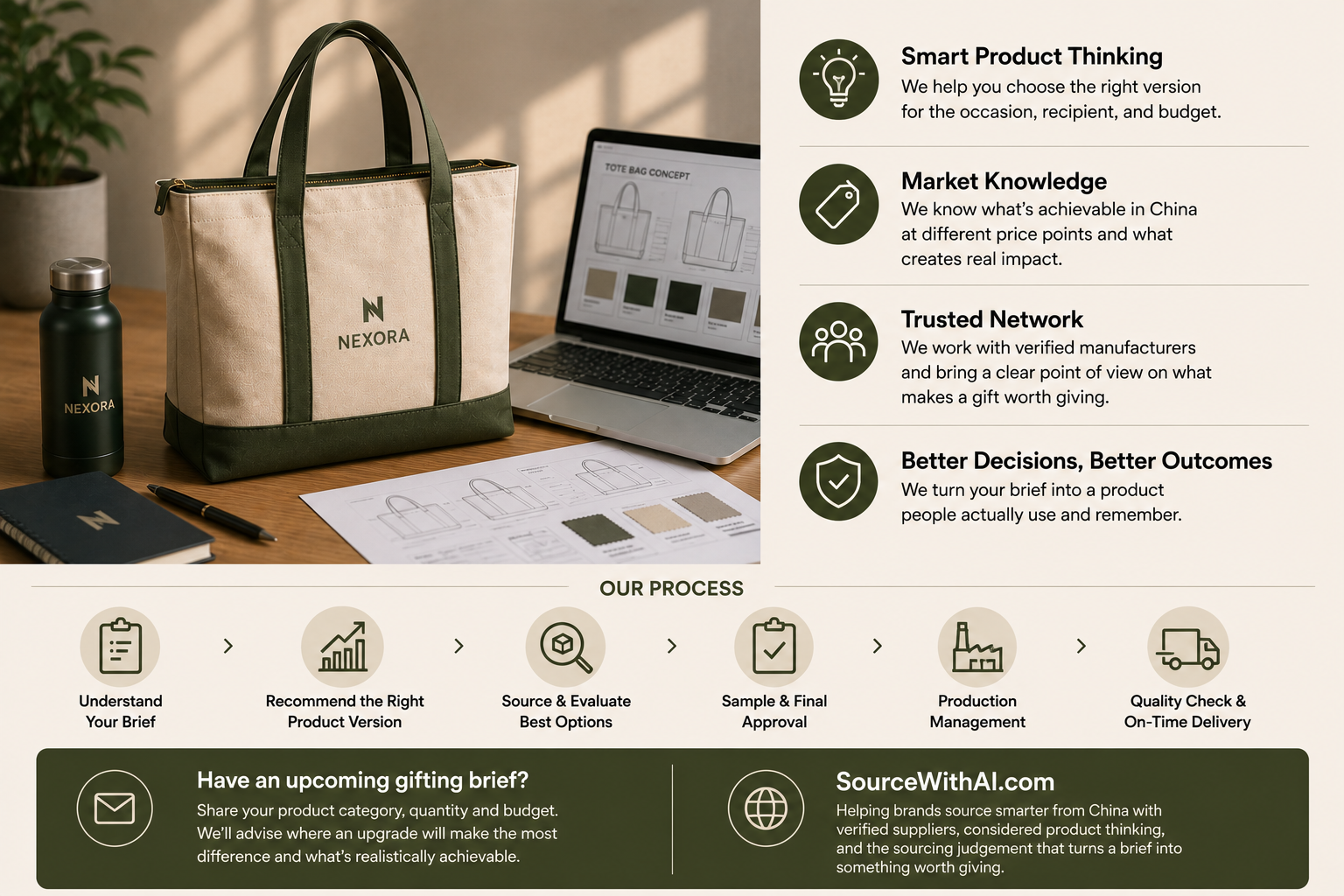
We work with brands and businesses on exactly these decisions not just finding a supplier, but thinking through which product version makes the most sense for the occasion, the recipient, and the budget available.
We understand what is achievable at different price points in the China market, what customisation options are realistic within a given lead time, and where a small specification change creates a meaningful difference in the final product. We don't share our full process or our supplier network, but we do bring a clear point of view on what makes a corporate gift worth giving and we help clients find the version of the product that reflects that standard.
The future of corporate gifting is not simply about spending more. It is about choosing familiar products more intelligently through better design, more useful features, and sourcing decisions that understand the difference between a product that gets kept and one that gets left behind.
If you have an upcoming gifting brief, send us your product category, quantity and budget. We'll advise where an upgrade would make the most difference and what is realistically achievable within your parameters.
SourceWithAI.com helps brands source smarter from China with verified suppliers, considered product thinking, and the sourcing judgement that turns a brief into something worth giving.
Written by
Admin
July 20, 2026 · 7 min read