Why the Traditional Esports Revenue Model Was Unsustainable
In the early years, esports organizations primarily earned revenue through:
Tournament prize pools
Brand sponsorships
Advertising and streaming deals
While these streams created visibility, they lacked long-term stability. Prize winnings fluctuate. Sponsorship budgets shift. Platform algorithms change. As a result, teams began searching for more predictable and scalable income sources.
This search led to a major industry shift: turning audiences into customers.
How Esports Organizations Became Lifestyle Brands
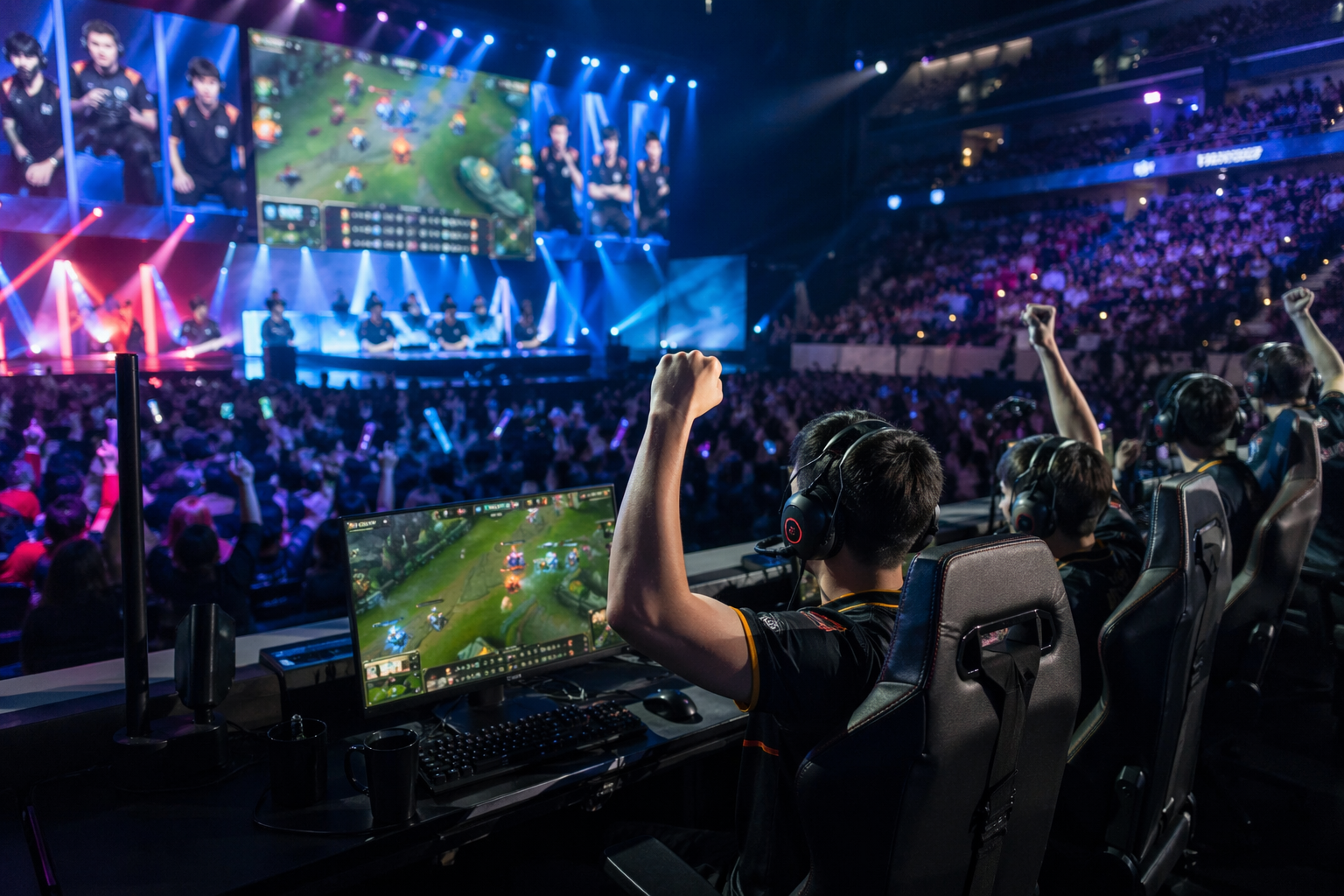
A new generation of esports teams realized that their greatest asset was not tournament performance it was community.
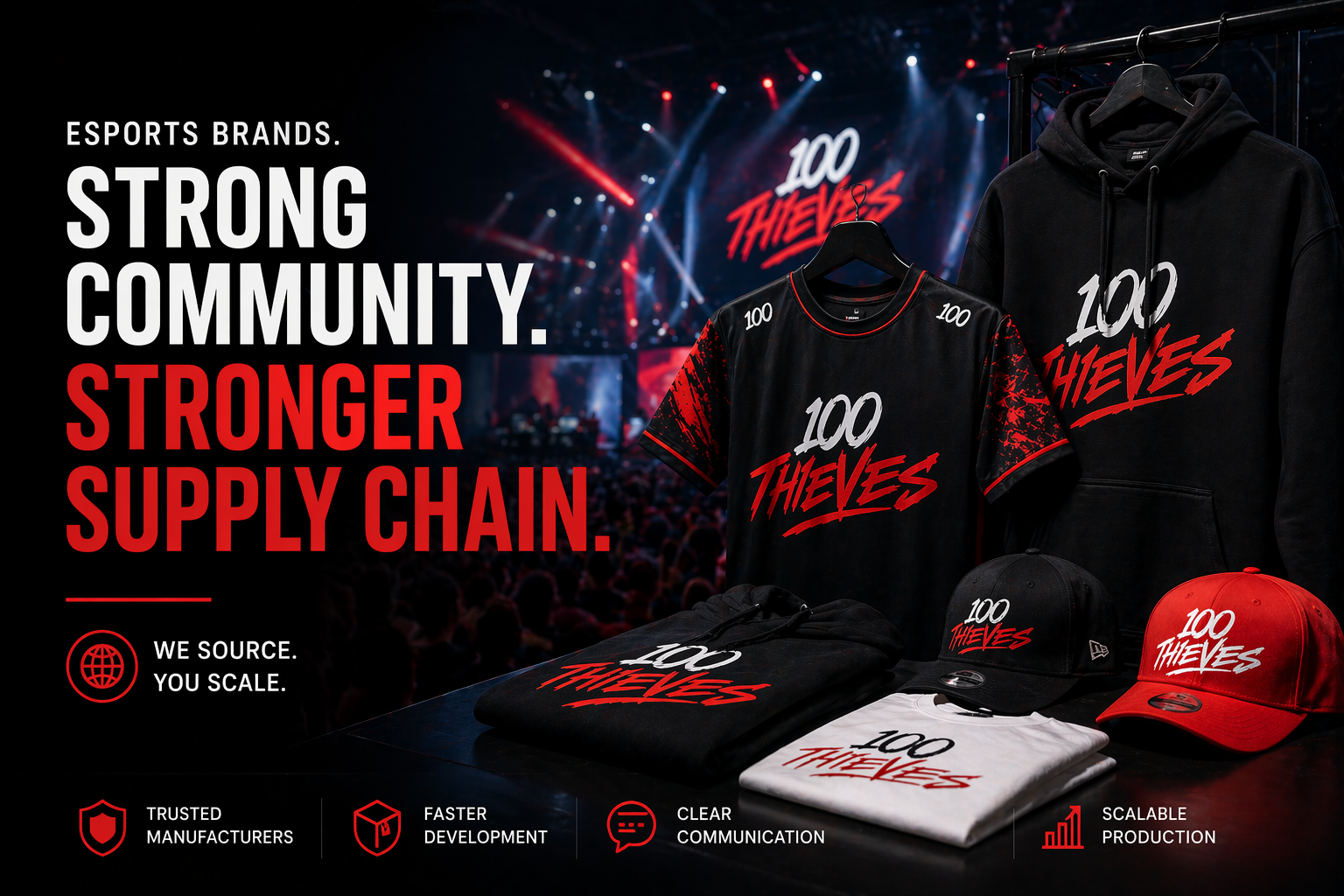
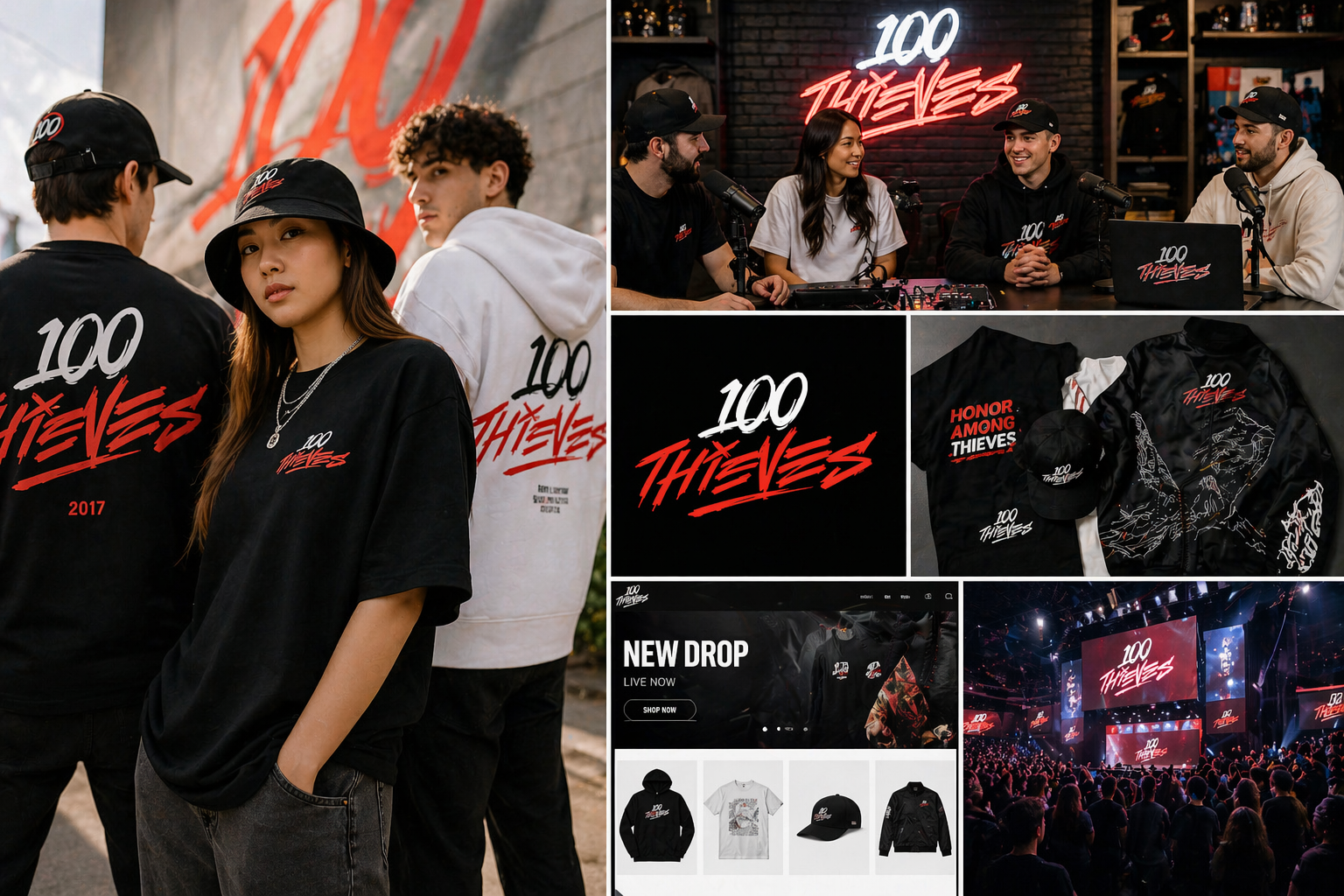
A powerful example is 100 Thieves, which expanded beyond gaming into apparel, content, and culture. This move reflected a broader trend: esports teams were no longer just competitors; they were becoming consumer brands.
Today, many esports organizations operate across:
Content creation
Creator partnerships
Apparel and merchandise
Limited product drops
Lifestyle collaborations
This evolution fundamentally changed how esports organizations generate revenue.
 Why Merchandise Became a Core Revenue Driver in Esports : Fans Don’t Just Watch, They Identify
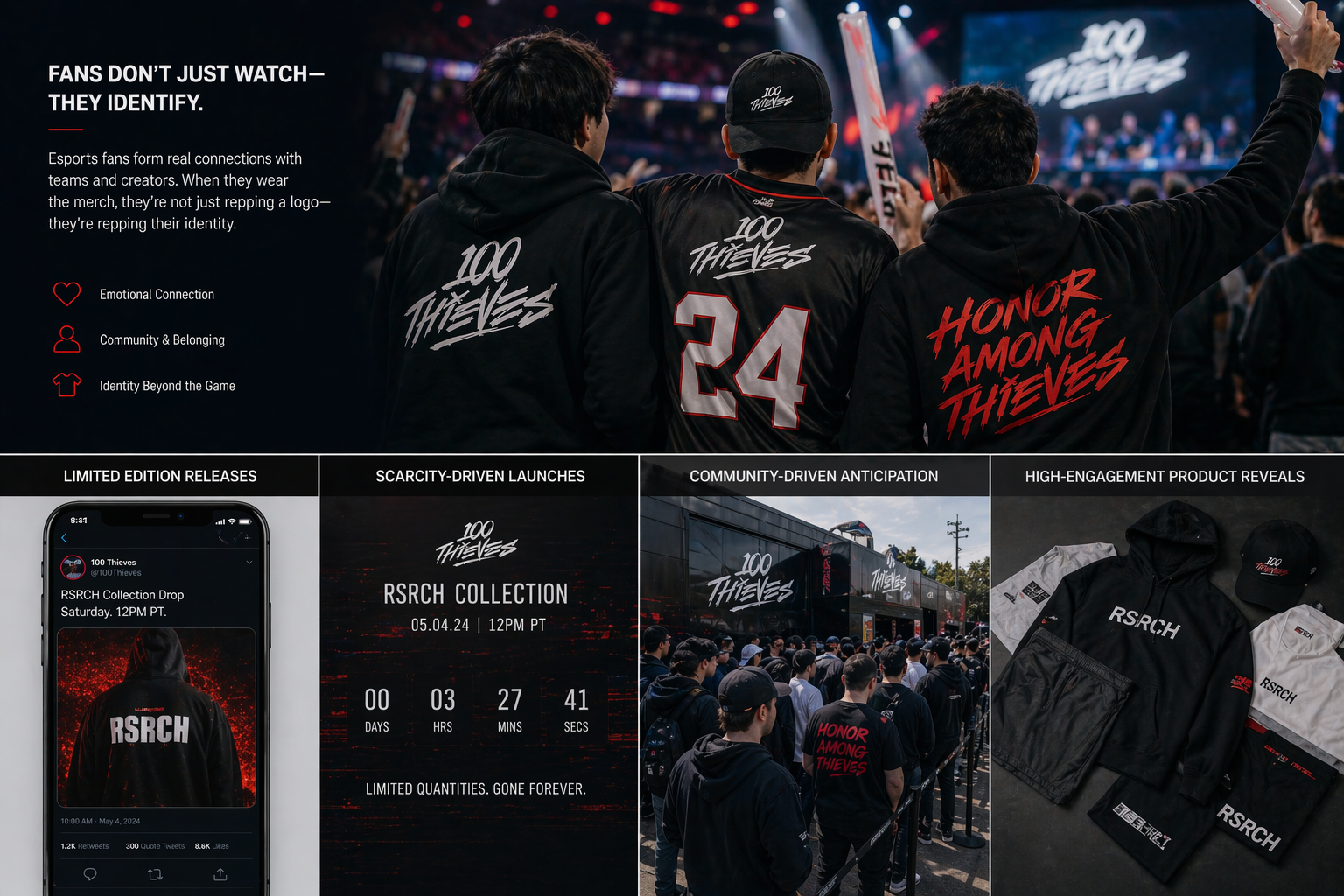
Unlike traditional sports audiences, esports fans are digitally native and deeply engaged. They don’t simply watch competitions; they form emotional connections with teams and creators.
When fans buy a hoodie or jersey, they are purchasing identity and belonging not just clothing.
This emotional connection makes merchandise uniquely powerful in esports.
The Rise of Limited Drops and Hype Culture
Many esports brands now use product launch strategies inspired by streetwear and fashion:
Limited-edition releases
Scarcity-driven launches
Community-driven anticipation
High-engagement product reveals
These drops generate revenue, brand awareness, and social engagement at the same time. However, they also introduce new operational challenges that many esports teams were never built to handle.
The Hidden Challenge: Turning Product Ideas Into Real Products
The Operational Complexity Behind Every Drop
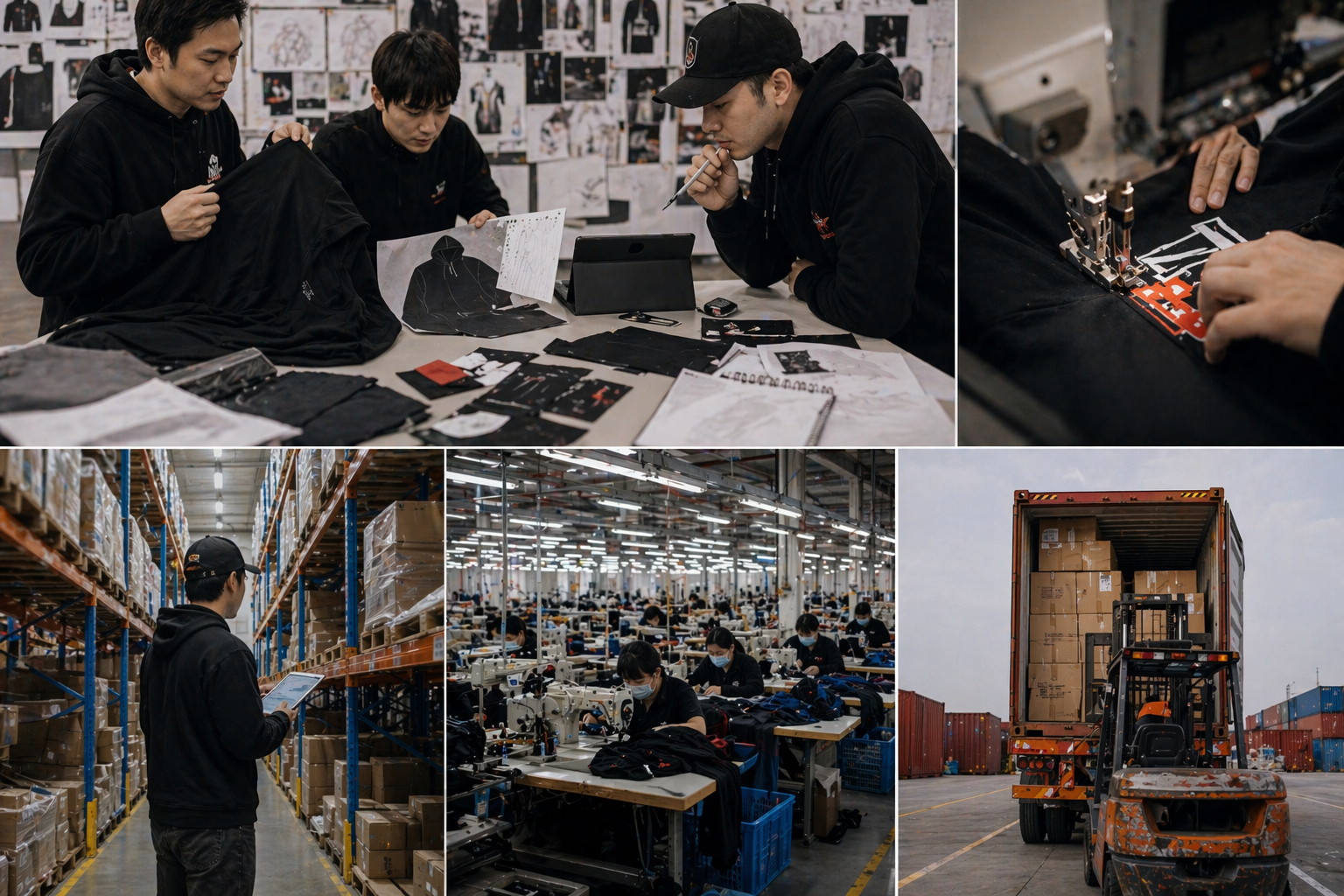
A successful merchandise launch requires months of behind-the-scenes work:
Fabric sourcing and selection
Sampling and prototyping
Supplier vetting
Quality assurance
Production scheduling
International logistics
For organizations rooted in gaming, content, and media, this introduces an entirely new layer of complexity.
Esports teams excel at building communities and designing products but manufacturing is a different discipline entirely.
Why Manufacturing Expertise Matters for Gaming Brands
Without the right sourcing strategy, brands face major risks:
Production delays that disrupt launch timelines
Quality issues that damage community trust
High costs that reduce profit margins
Miscommunication with overseas factories
Limited scalability for future growth
In an industry driven by hype cycles and release timing, a delayed or failed product drop can have lasting reputational impact.
 Why Global Manufacturing Is Essential for Esports Merchandise
The Advantage of Established Manufacturing Ecosystems
Countries like China have developed deeply integrated production ecosystems over decades. These networks include:
Textile suppliers
Printing and embroidery specialists
Trim and accessory producers
Logistics and shipping infrastructure
For esports brands, this ecosystem offers critical advantages:
Faster Development Cycles
Sampling and revisions can happen quickly, allowing brands to keep pace with fast-moving trends.
Greater Product Customization
Advanced techniques enable unique designs that reflect brand identity.
Scalable Production
Brands can start with small batches and grow into large-volume releases.
Cost Efficiency
Competitive production costs allow brands to maintain healthy margins.
However, accessing these benefits requires expertise, relationships, and local knowledge.
Why Sourcing Has Become a Strategic Function for Esports Teams
Sourcing Is No Longer Just a Backend Task
In modern esports, sourcing directly impacts:
Product launch speed
Customer satisfaction
Profitability
Brand reputation
Long-term scalability
In other words, sourcing has become a strategic growth function.
 The Gap Between Brand Vision and Manufacturing Reality
Esports organizations are experts in:
Community building
Creative direction
Marketing and storytelling
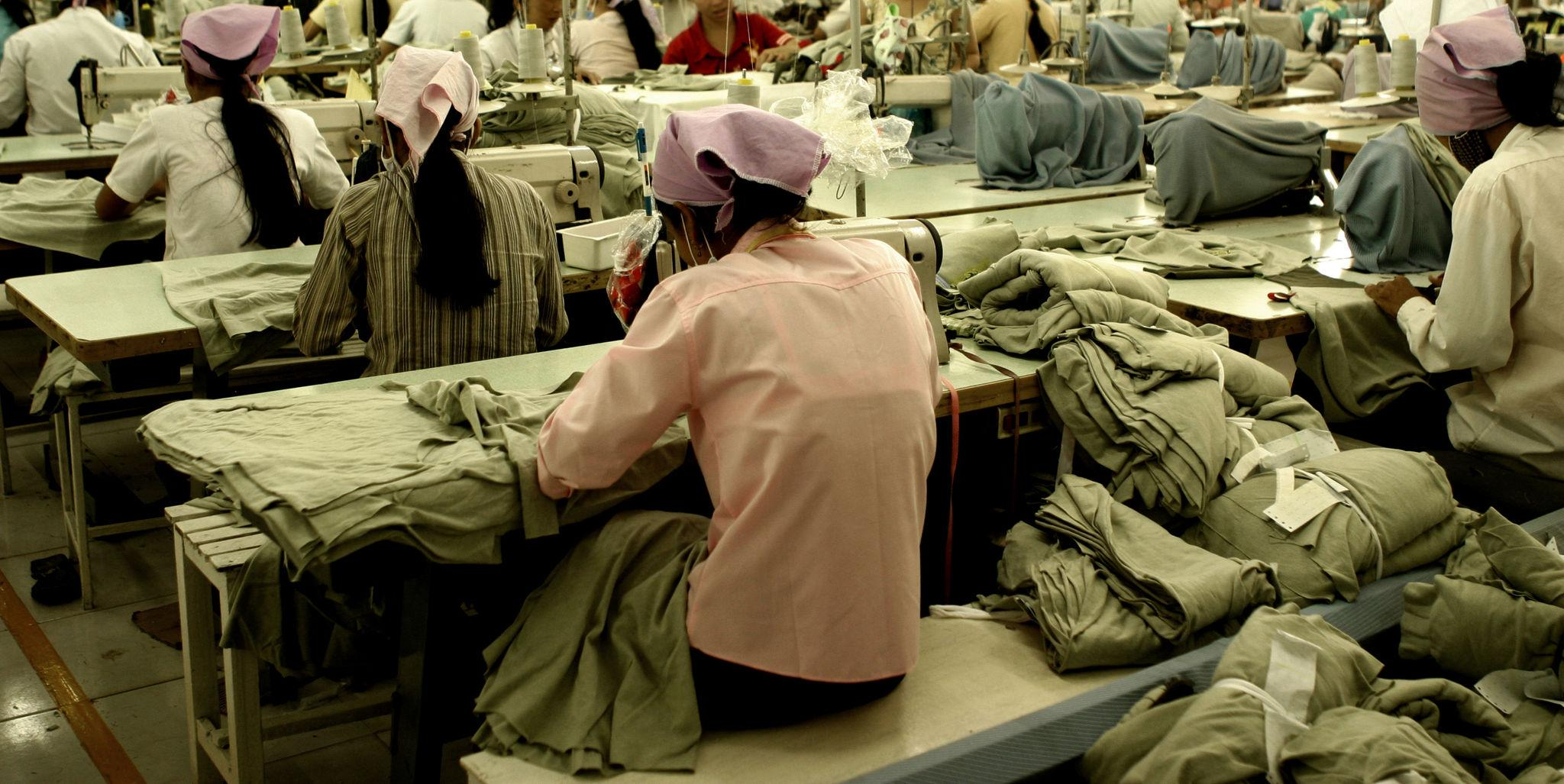
But building a reliable manufacturing pipeline requires:
Supplier discovery and vetting
Negotiation and communication
Quality control processes
Logistics coordination
Production planning
Bridging this gap is where sourcing partners play a critical role.
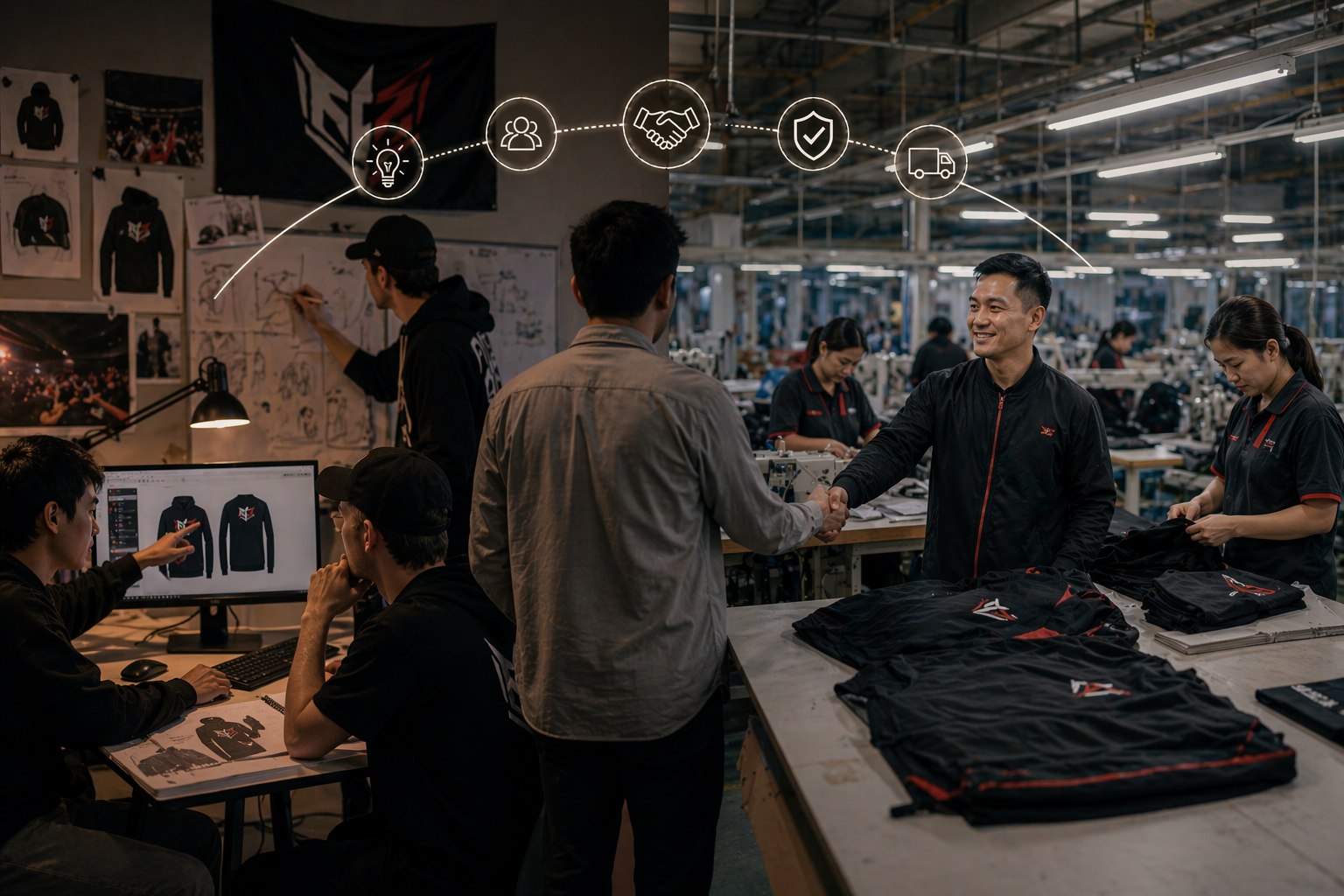
How SourceWithAI Helps Esports Brands Scale MerchandiseTurning Creative Ideas Into Scalable Supply Chains
At SourceWithAI, our mission is to simplify global sourcing for modern digital brands, especially those that grew from online communities like esports teams, gaming creators, and content-driven startups. These brands are incredibly strong at building audiences and generating demand, but when it comes to manufacturing and supply chains, many quickly discover how complex and time-consuming the process can be.
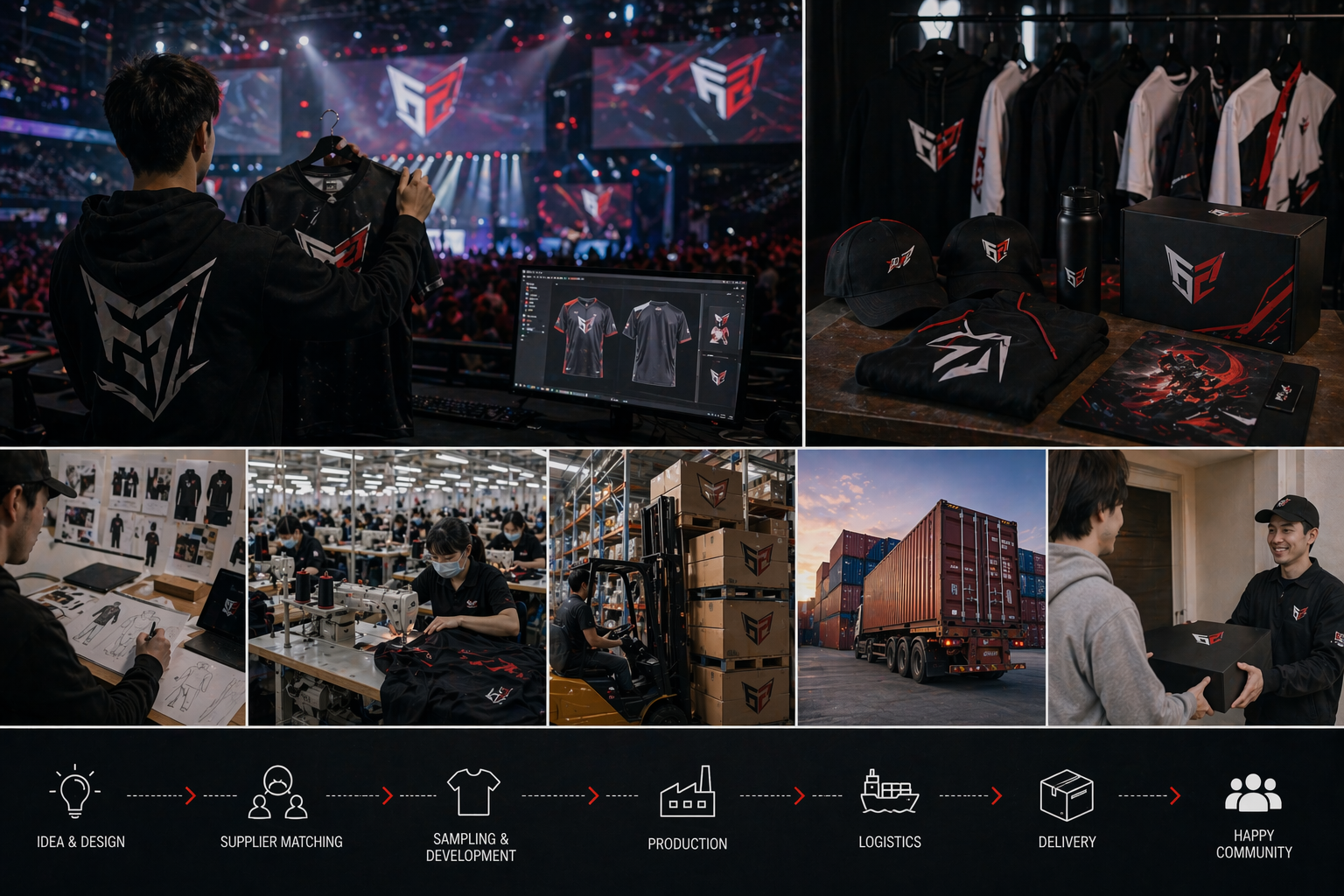
We help esports teams move from product concept to production faster, more efficiently, and with far less risk by acting as the bridge between brand vision and manufacturing execution.
Access to Trusted Manufacturing Networks
One of the biggest challenges esports brands face is knowing where to start when they decide to launch merchandise. The global manufacturing landscape is vast, fragmented, and often difficult to navigate without local knowledge and industry experience.
Instead of spending months searching for suppliers, verifying factories, and managing outreach across time zones, brands can tap into a curated network of trusted manufacturing partners. These partners are selected based on their capabilities, reliability, communication standards, and experience working with modern consumer brands.
This dramatically reduces the uncertainty and risk that typically comes with overseas production, allowing esports companies to move forward with confidence rather than hesitation.
Simplified Supplier Discovery
Supplier discovery is often underestimated. Many brands assume manufacturing begins once they have a design, but in reality, the process starts much earlier. Finding the right factory requires evaluating production capabilities, minimum order quantities, specialization, pricing structures, and communication reliability.
Without guidance, brands can spend countless hours contacting suppliers who are not the right fit for their product category or growth stage. This slows momentum and delays product launches.
By simplifying supplier discovery, we help esports brands quickly identify production partners aligned with their product vision, timelines, and budget. This allows teams to focus their energy on design, marketing, and community engagement rather than navigating unfamiliar sourcing ecosystems.
Streamlined Communication and Workflow
Communication barriers are one of the most common causes of production delays and costly mistakes in manufacturing. Differences in language, expectations, technical specifications, and timelines can easily lead to misunderstandings that affect product quality and delivery schedules.
We provide structured workflows that improve clarity, alignment, and efficiency throughout the sourcing process. Clear documentation, centralized communication, and defined production steps help reduce errors and speed up development cycles.
For esports brands that operate in fast-moving digital environments, this level of operational clarity is essential. Product launches are often tied to campaigns, events, or content schedules, making reliable timelines a critical factor in success.
Faster Sampling and Product Development
Sampling is the stage where ideas become tangible products. However, without the right process, sampling can become a long and frustrating cycle of revisions, delays, and unexpected costs.
We help streamline this stage by guiding brands through structured development processes that reduce unnecessary back-and-forth. Faster sampling means brands can validate designs sooner, gather feedback earlier, and prepare launches with greater confidence.
In esports, where trends move quickly and audience excitement can be time-sensitive, speed is not just an advantage it is a competitive necessity.
Scalable Production Infrastructure
Many esports brands begin with limited product drops to test demand. When those drops succeed, they face a new challenge: scaling production without compromising quality or delivery timelines.
Scaling requires more than increasing order volume. It involves planning production capacity, coordinating logistics, maintaining quality standards, and ensuring consistent supplier performance.
We support brands as they transition from small-batch releases to larger production runs, helping them build supply chains that can grow alongside their community and customer base.
Our goal is simple: allow esports brands to focus on creativity, storytelling, and community while we help support the manufacturing journey behind the scenes.
Why Product-Driven Growth Will Accelerate
The esports industry is still evolving, but one trend is becoming increasingly clear: product-driven revenue will play a major role in the next phase of growth.
We are already seeing a shift toward creator-led product lines, lifestyle collaborations, and cross-industry partnerships that blur the line between gaming, fashion, and entertainment. Esports organizations are no longer confined to traditional merchandise; they are expanding into broader lifestyle and consumer categories.
This evolution will create new opportunities for monetization, but it will also increase the complexity of sourcing and production. As product categories expand, supply chains must become more sophisticated and adaptable.
The Competitive Advantage of Strong Supply Chains
As more esports brands enter the merchandise space, competition will intensify. The organizations that succeed long term will be those that combine strong communities, distinctive creative identity, and reliable manufacturing infrastructure.
A well-built supply chain allows brands to release products consistently, maintain quality standards, and respond quickly to new opportunities. It transforms merchandise from a side project into a scalable business unit.
When these elements align, esports brands gain the ability to grow globally, build long-term customer relationships, and turn community enthusiasm into sustainable revenue.
In the coming years, supply chains will not simply support esports commerce they will become one of its most important competitive advantages.
Conclusion: Community Builds Demand Supply Chains Build Businesses
Esports organizations have successfully transformed audiences into communities and communities into customers. The next challenge is ensuring that the operational foundation can support this growth.
Behind every successful product launch is a reliable sourcing strategy.
At SourceWithAI, we help esports brands bridge the gap between digital influence and physical production, enabling them to scale merchandise confidently and sustainably.
Because in modern esports, hype creates demand — but sourcing makes growth possible.
Written by
Eva Liu
April 23, 2026 · 7 min read