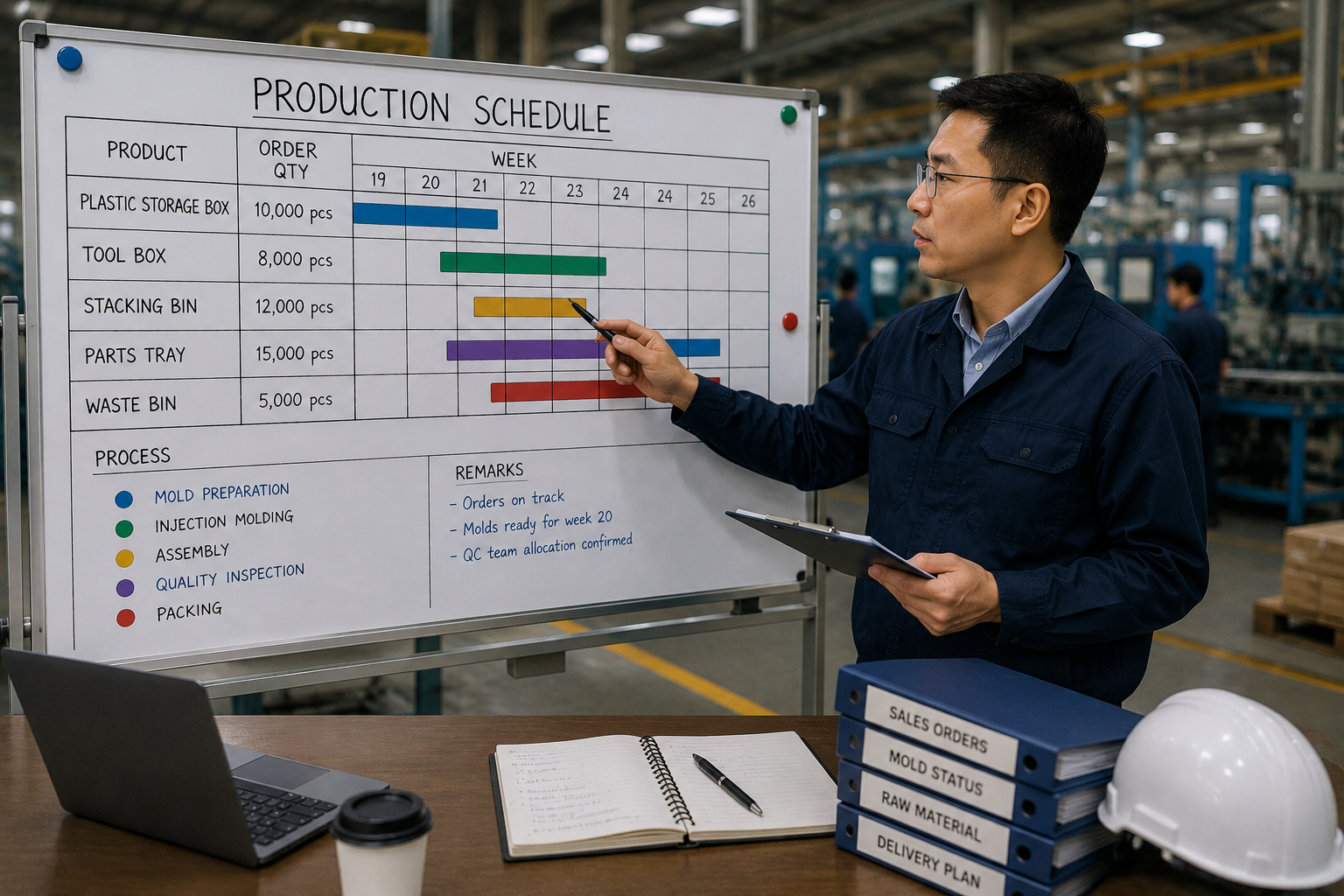
Every experienced sourcing professional has a story they don't tell at dinner parties. The first order that went sideways. The supplier who seemed perfect until the shipment arrived. The sample that looked flawless and the production run that didn't. These stories share a common thread: somewhere early in the process, a question wasn't asked. Not because the buyer was careless but because they didn't yet know what they didn't know.
That's the honest reality of placing your first order. The risks aren't hidden. They're just unfamiliar. And most of them can be surfaced and managed by asking the right questions before you commit a single dollar.
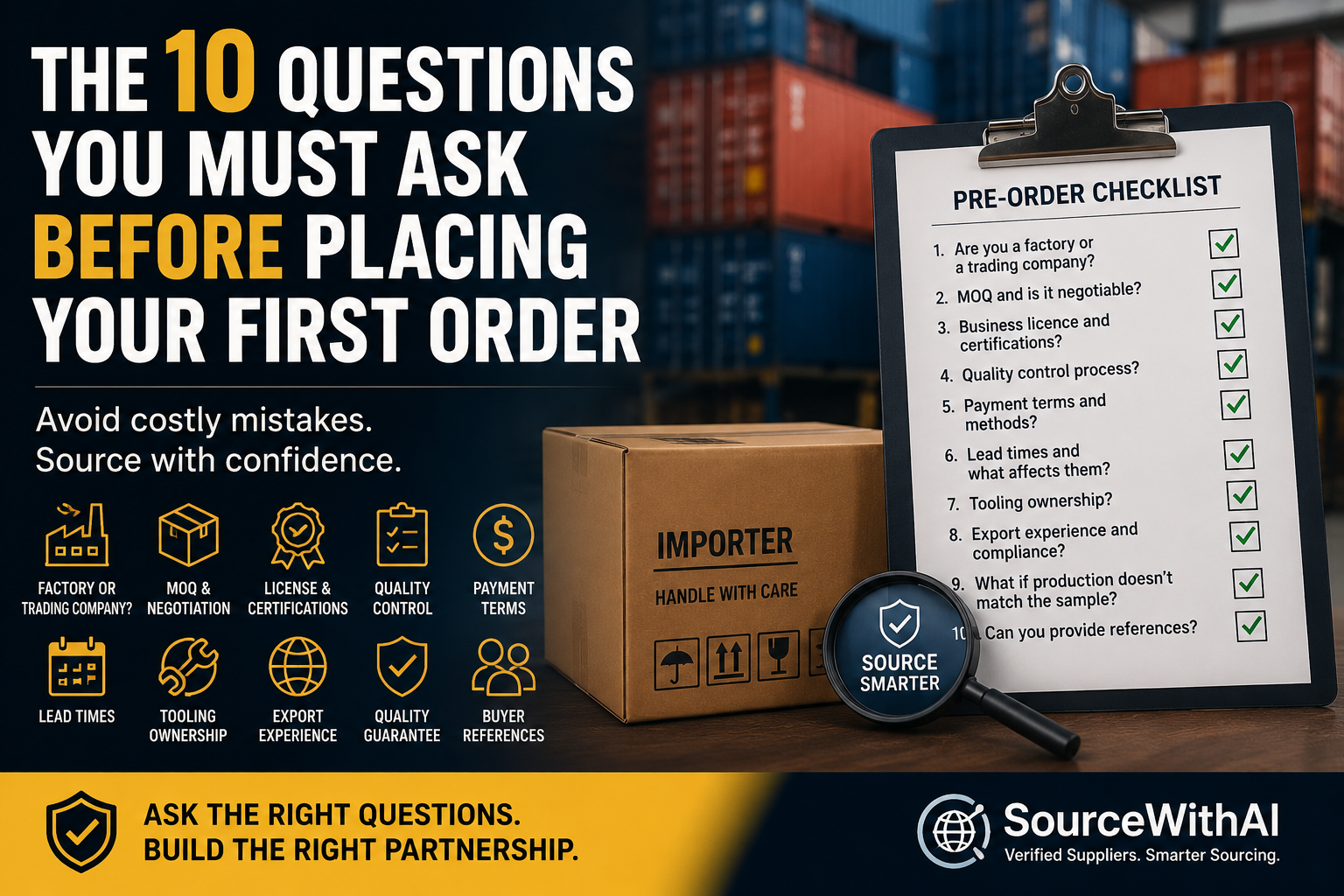
These are the ten questions that matter most. Not a checklist to run through mechanically, but a framework for understanding what you're actually getting into before the purchase order is signed.

1. Are You a Factory or a Trading Company?
This is the first question and the one most first-time buyers forget to ask at all.
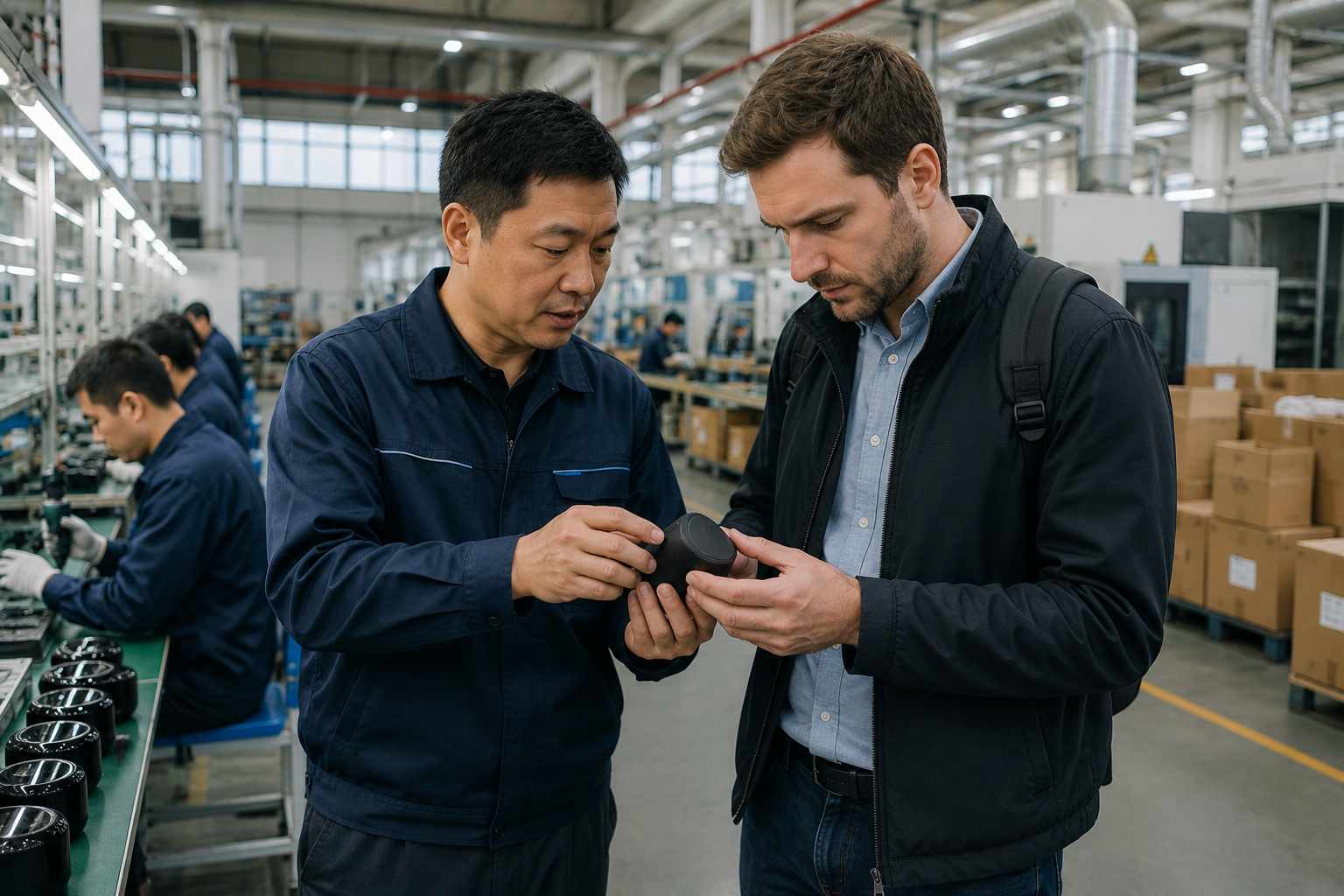
In China's manufacturing ecosystem, the distinction matters enormously. A factory manufactures your product directly. A trading company acts as a middleman between you and the manufacturer. Neither is inherently bad, but confusing one for the other creates real problems: inflated pricing, limited visibility into production, and a layer of communication that slows down quality issues and delays.
Trading companies often present themselves as factories, they use factory imagery on their websites, they respond fluently to technical questions, and on some platforms the distinction is not disclosed clearly. The only way to know is to ask directly: "Are you the manufacturer, or do you work with third-party factories?" A confident, detailed answer with supporting documentation business licence showing a manufacturing scope, factory photos with visible production lines is a good sign. Vagueness is not.
If you're working with a trading company, that can still work but know it going in, understand the margin they're adding, and clarify who you'll actually be dealing with when something goes wrong.
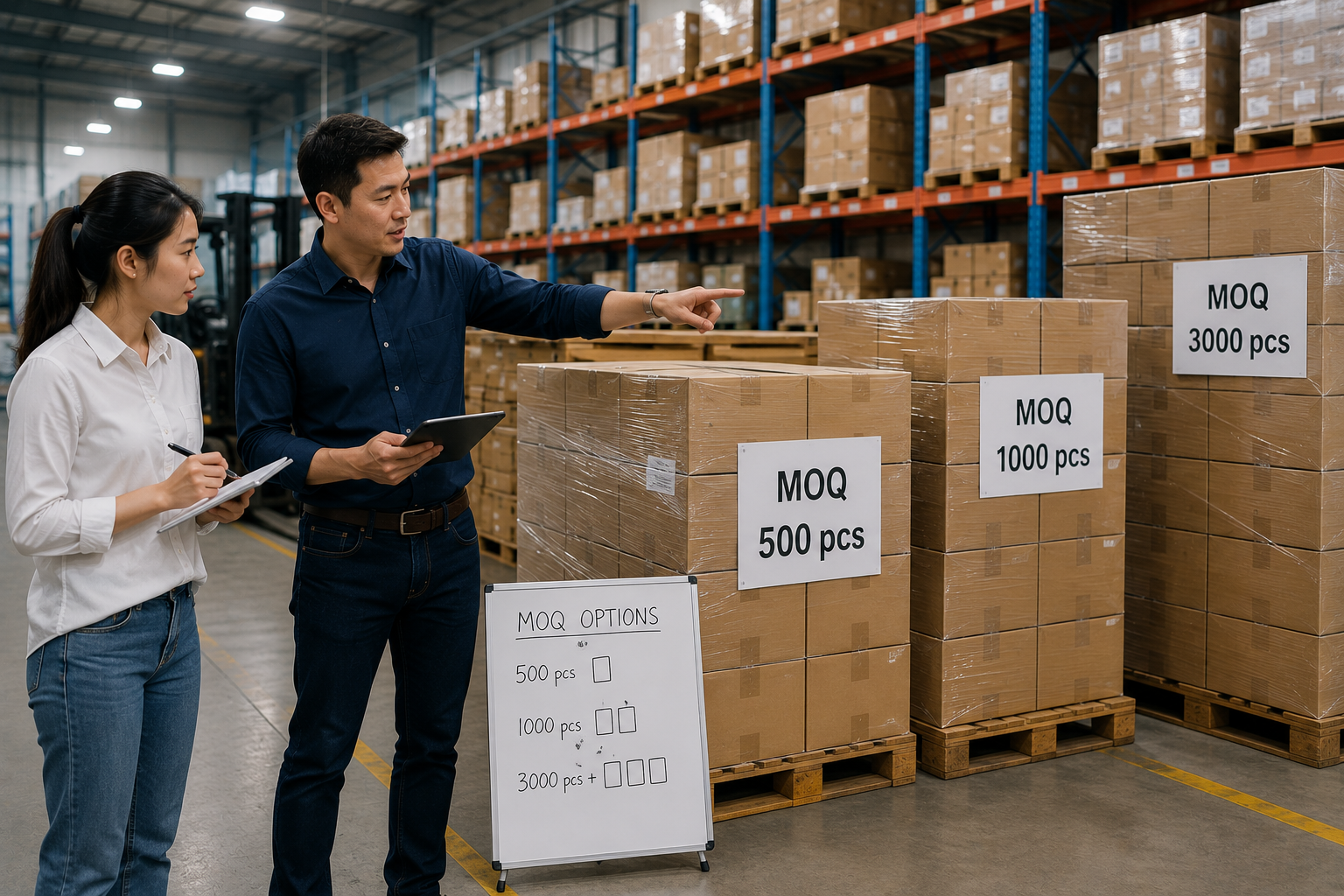
2. What Is Your Minimum Order Quantity And Is It Negotiable?
MOQ is one of the most practically important variables in any sourcing relationship, and it's one that first-time buyers often accept without question.
Every supplier sets MOQs based on their production economics, the minimum run that makes it worthwhile to set up a line, source materials, and process an order. But MOQs are often more flexible than they first appear, particularly for buyers who communicate clearly, pay promptly, and show signs of being a long-term partner rather than a one-time transaction.
The follow-up question matters as much as the initial answer: "What happens to the unit price at half your stated MOQ?" Understanding the pricing curve at different volumes tells you a great deal about the supplier's actual production structure and gives you negotiating room you didn't know you had.
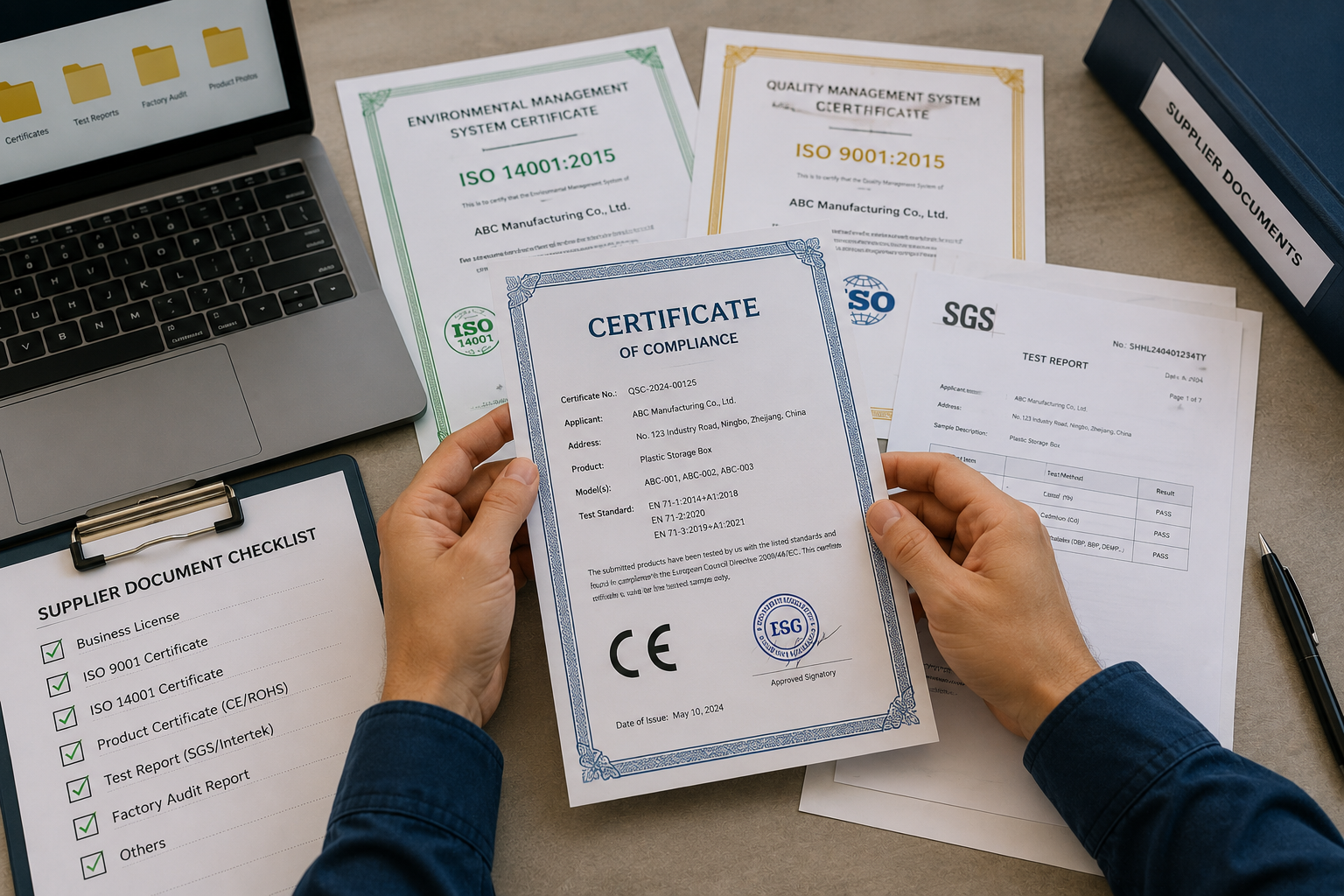
3. Can You Share Your Business Licence and Factory Certifications?
This is the due diligence question that separates serious buyers from casual ones and the response tells you almost as much as the documents themselves.
A legitimate, export-experienced manufacturer will have a business licence on file and will share it without hesitation. The licence confirms legal registration, confirms the scope of business (manufacturing versus trading), and gives you the information you need to verify the entity independently. Relevant certifications ISO 9001 for quality management, product-specific certifications like CE, RoHS, or FDA depending on your category should also be readily available.
A supplier who stalls, deflects, or provides documentation that doesn't match the company name you've been communicating with is raising a flag worth taking seriously. Verification of business credentials is a basic expectation in any professional sourcing relationship and should never feel like an unreasonable request.
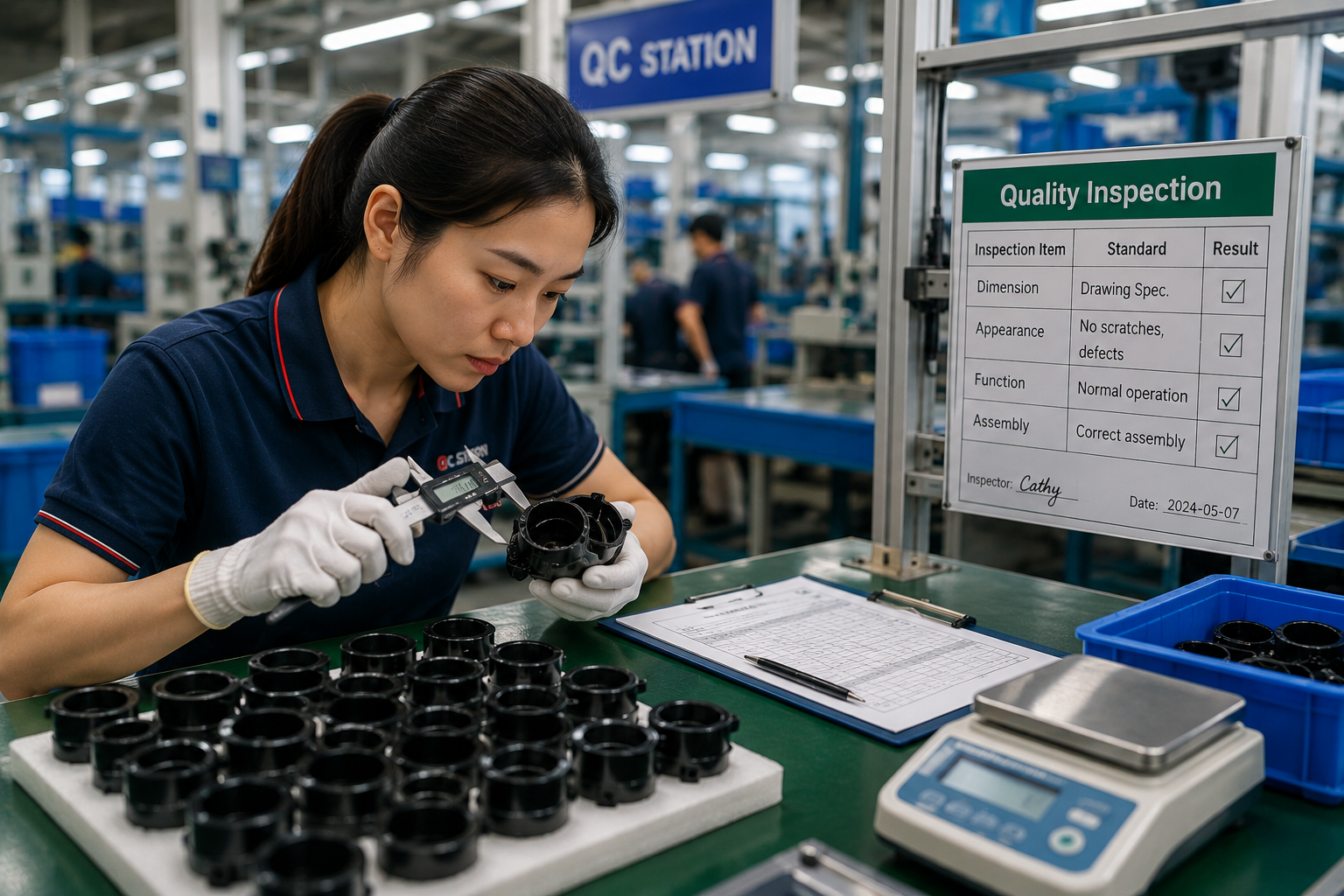
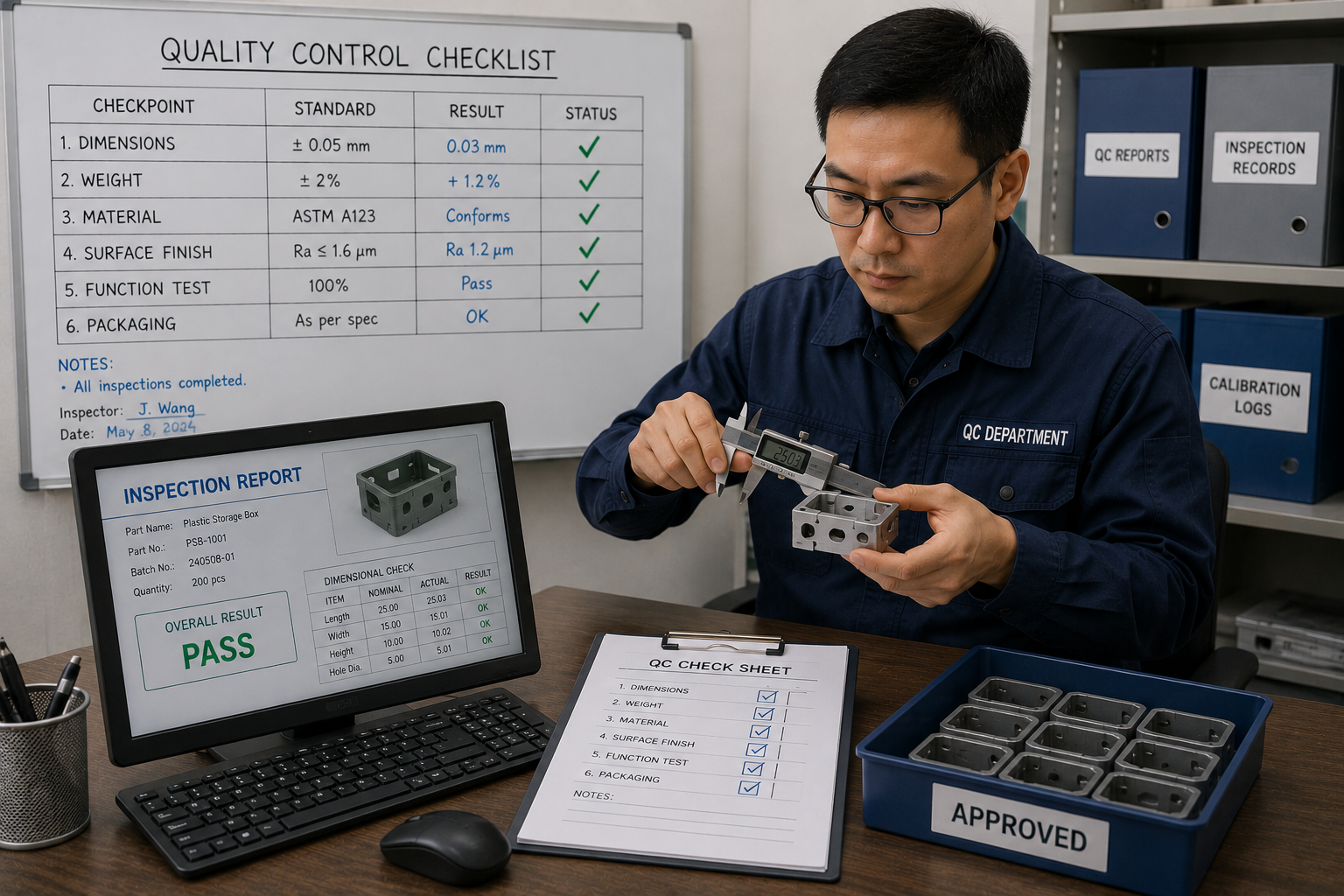
4. What Does Your Quality Control Process Look Like?
This question reveals more about a supplier than almost any other because the answer exposes whether quality is an embedded process or an afterthought.
What you're looking for is specificity. Which stages of production are inspected? Who conducts the inspections a dedicated QC team or the production workers themselves? What happens when a defect is identified mid-production? Is there a written QC procedure, and can you see it?
A supplier who describes their quality control in vague, reassuring terms "we have very strict quality standards" is not describing a process. A supplier who walks you through incoming material inspection, in-line production checks, and pre-shipment final inspection with documented pass/fail criteria is describing one. The difference between these two answers is the difference between managed quality risk and hope.
The follow-up question is equally important: "Can I send a third-party inspector to your factory during production?" A supplier who welcomes this is confident in their process. A supplier who resists it is not.
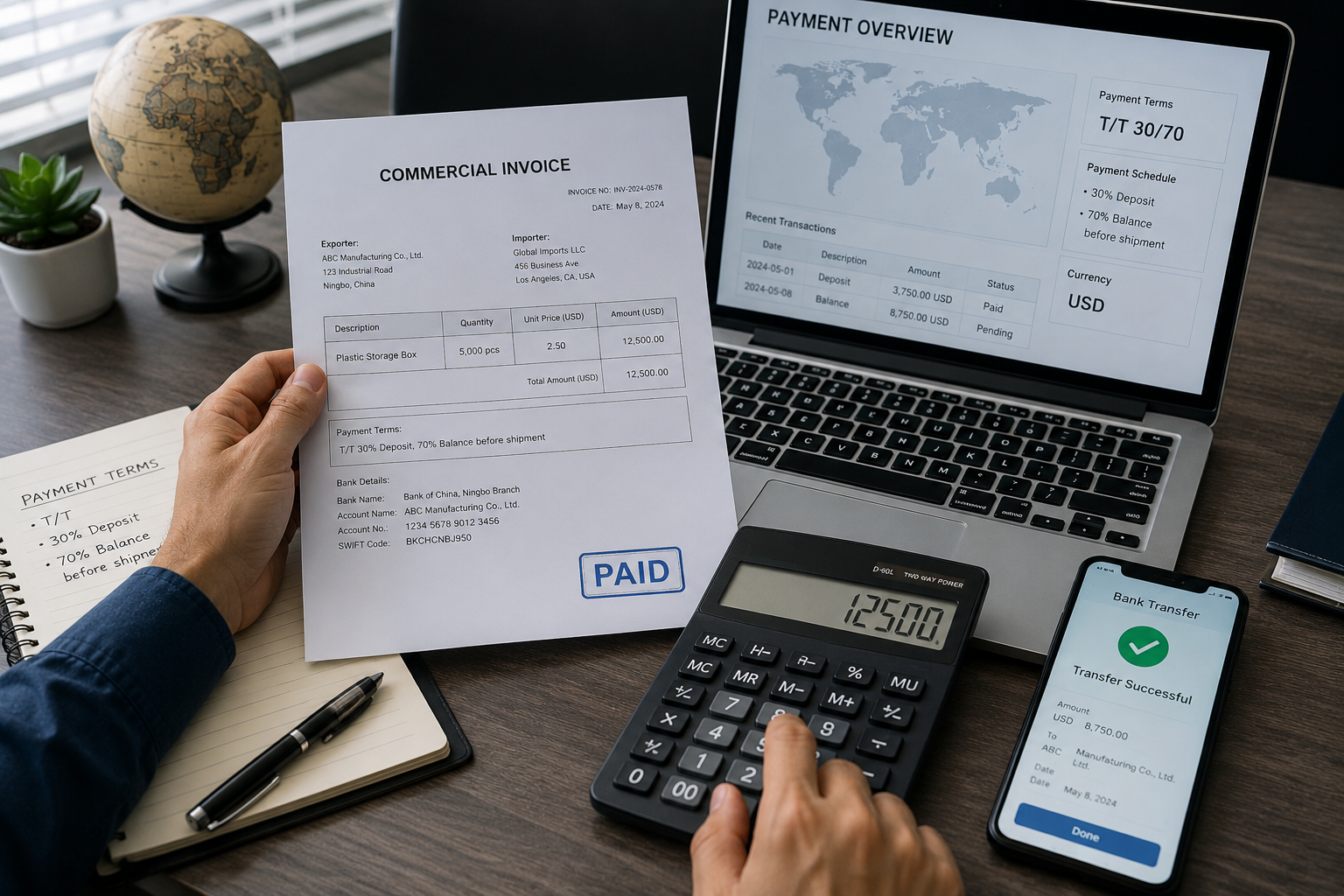
5. What Are Your Payment Terms And What Payment Methods Do You Accept?
Payment terms are where financial risk in sourcing lives, and understanding them clearly before any order is placed is non-negotiable.
The standard structure for a first order is a 30% deposit on order confirmation and 70% balance before shipment. This protects both parties the supplier has commitment before investing in production, and you retain leverage until goods are ready and inspected. Deviations from this structure in either direction should prompt questions: a supplier asking for 100% upfront from an unverified buyer relationship is a risk flag; a supplier offering unusually generous credit terms to a new customer is worth scrutinising too.
On payment method: wire transfer (T/T) is standard for established relationships, but for a first order, platforms with escrow functionality provide an additional layer of protection. Whatever method you use, ensure you are paying the correct legal entity. The name on the invoice should match the business licence you verified in question three.
6. What Are Your Lead Times And What Causes Them to Change?
Lead time is one of the variables that first-time buyers most consistently underestimate — and one that has the most direct impact on their business.
The number a supplier gives you upfront is often the best-case scenario: production running smoothly, materials in stock, no other large orders ahead of yours in the queue. The honest lead time includes material sourcing time, production time, quality inspection, and the time needed to prepare export documentation. For a first order, add a buffer.
The more important part of this question is the second half: what causes lead times to shift? Factories that are transparent about this peak season capacity constraints, material supply volatility, Chinese national holidays are giving you information you can plan around. Factories that guarantee any timeline regardless of circumstances are telling you what you want to hear, not what you need to know.
Ask specifically about the national holiday calendar and how it affects production scheduling. Chinese New Year, Golden Week, and National Day create multi-week gaps in production that catch first-time buyers completely off guard when they haven't planned for them.
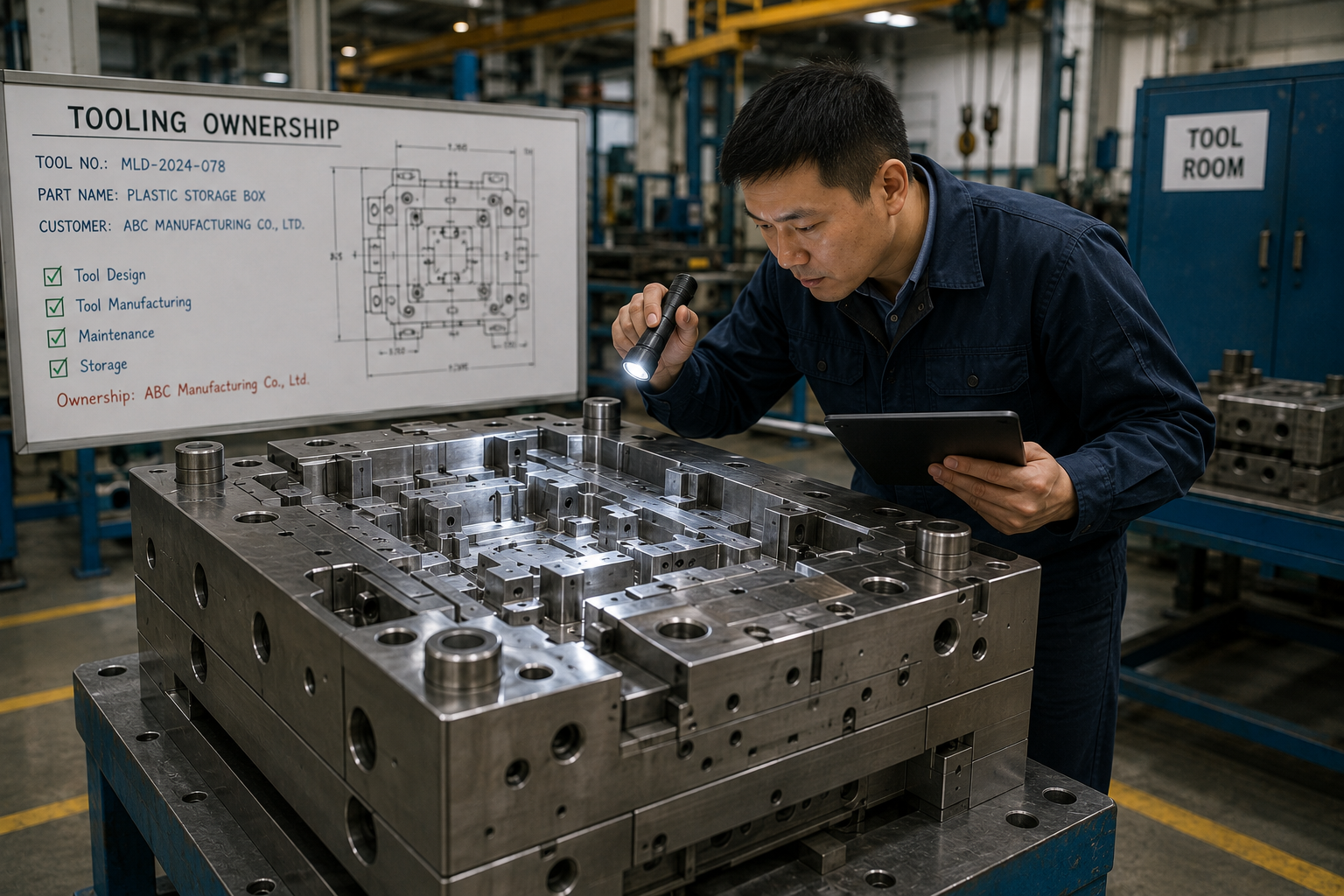
7. Who Owns the Tooling And What Happens to It If We Stop Working Together?
Tooling is often paid for by the buyer as part of the initial setup cost. But without a clear written agreement, the physical tooling remains at the factory and if the relationship ends, extracting it can be difficult, expensive, or impossible. Suppliers who understand this dynamic may use tooling ownership as implicit leverage to keep a buyer in the relationship even when they would prefer to move on.
The question is simple: "If we decide to work with a different supplier in future, can we take our tooling with us and what does that process look like?" The answer will tell you whether you're entering a relationship that respects your ownership rights or one that builds in dependency by default.
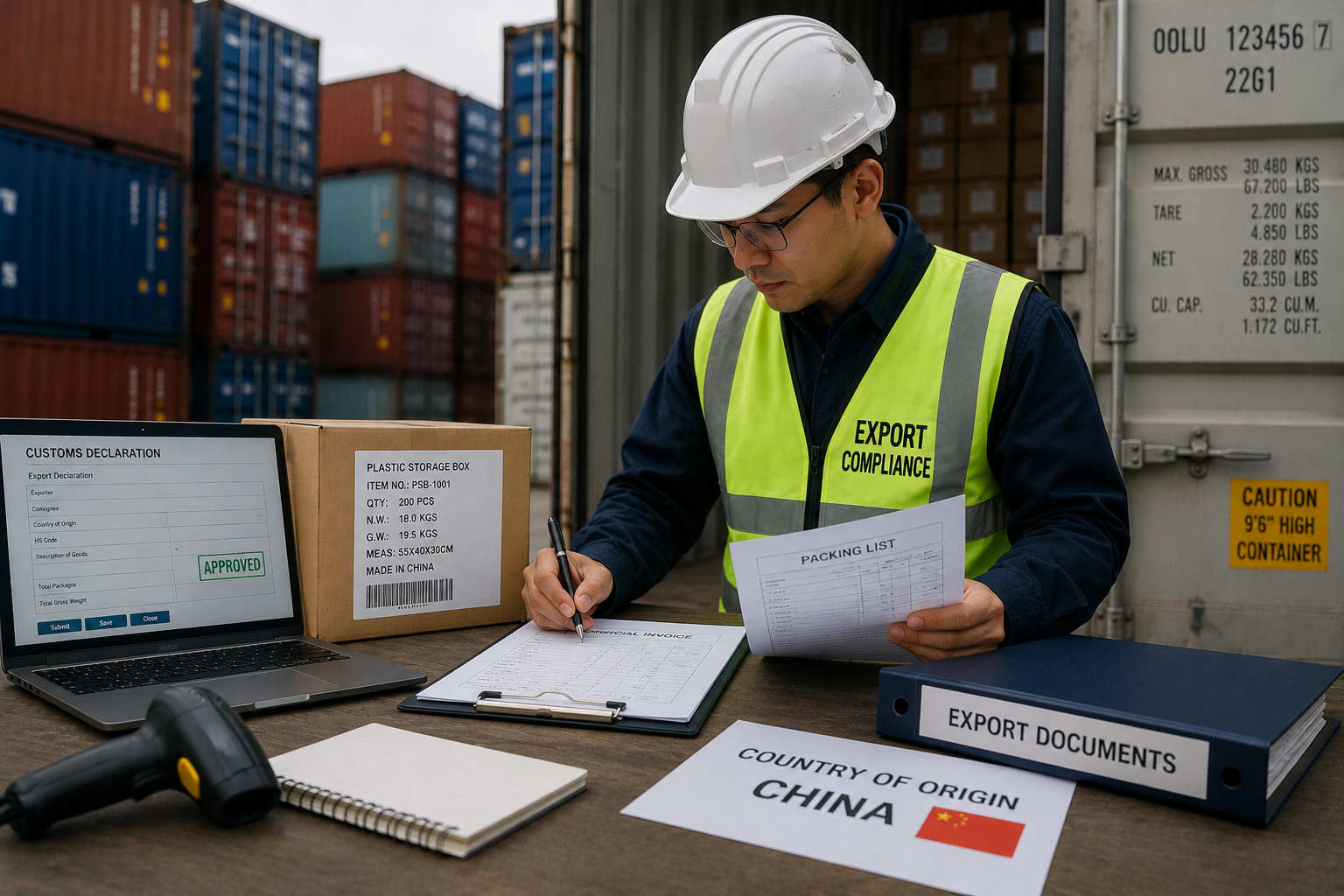
8. Have You Exported to My Market Before And Do You Understand the Compliance Requirements?
This question matters more than most first-time buyers realise, and it becomes more important the more regulated your product category is.
A supplier who has successfully exported to your market whether that's the US, EU, UK, or Australia understands the documentation requirements, the customs classification of your product, and the compliance standards your goods need to meet. A supplier who hasn't navigated your market before may produce an excellent product that fails at customs or in market testing because it lacks the required certification, labelling, or documentation.
Ask for evidence: "Can you show me examples of orders you've shipped to the US/EU/UK?" If they can, follow up on what compliance requirements came up and how they handled them. If they can't, that's not necessarily a dealbreaker but it means the compliance burden shifts more heavily to you, and you need to understand exactly what that involves before proceeding.
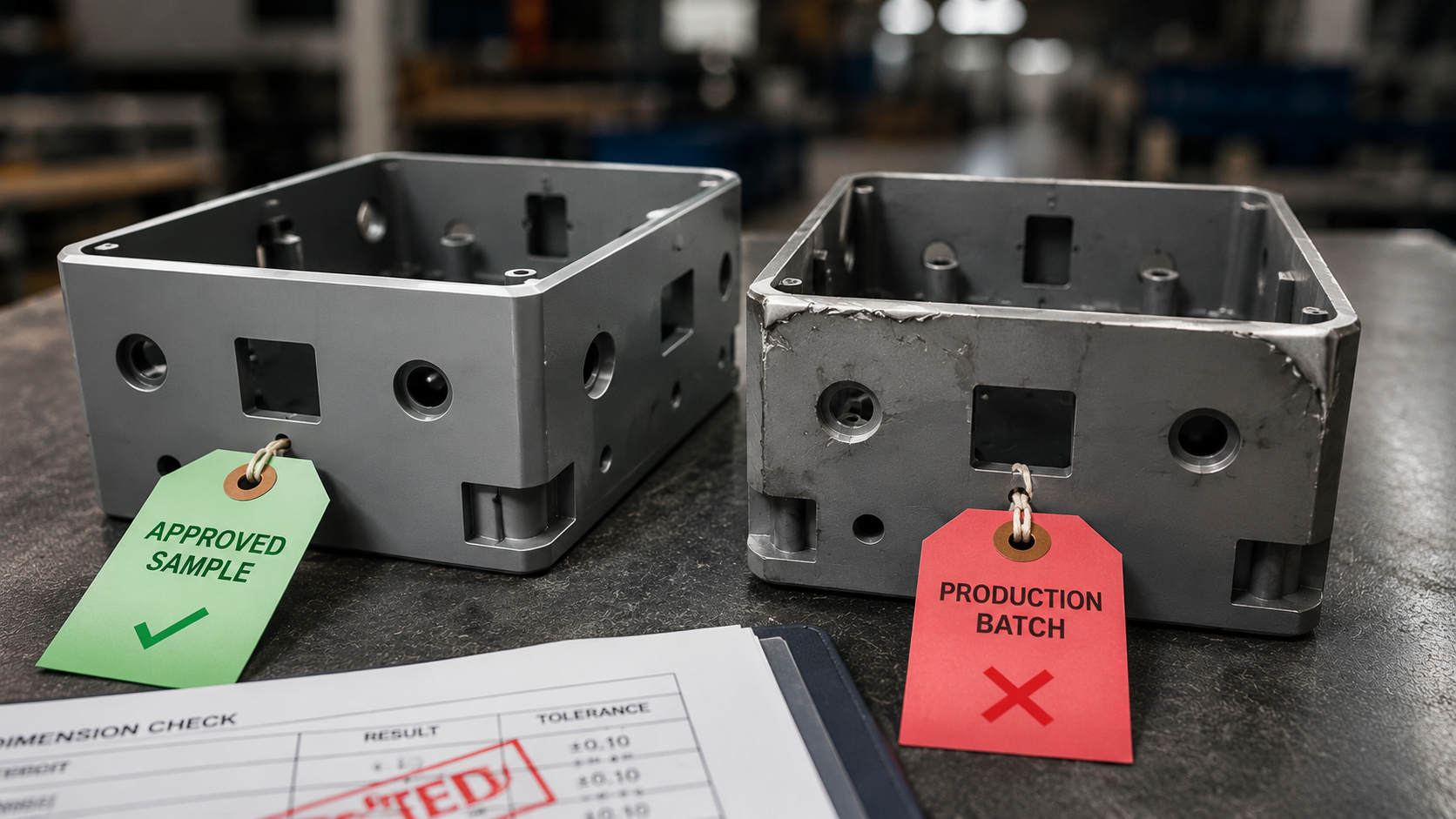
9. What Happens If the Production Run Doesn't Match the Approved Sample?
This is the question that most clearly reveals whether a supplier takes quality accountability seriously or whether they expect you to absorb the consequences of their production variance.
Every professional supplier will have a policy on this. Ask for it explicitly: "If the bulk production run contains defects or deviations from the approved sample, what is your process for resolution?" What you're listening for is ownership a willingness to rework, replace, or compensate for genuine production failures and a clear process for how disputes are assessed and resolved.
What you don't want to hear is deflection, an immediate pivot to "it depends," or any suggestion that minor deviations from specification are simply part of manufacturing. They aren't. Your approved sample is the agreed standard. Any professional supplier understands this and should be able to describe their accountability process clearly and without discomfort.
10. Can You Provide References from Existing International Buyers?
This is the question that costs nothing to ask and potentially saves everything.
A supplier who has a track record of delivering for international buyers will be able to point you toward at least two or three existing customers ideally in your market or a comparable one who can speak to their experience. This isn't a guarantee of your own outcome, but it is the closest thing to independent verification available without commissioning a formal audit.
When you speak to references, ask specific questions: Did the production match the approved sample? Were lead times met? How were quality issues handled? Would you place another order? The answers to these four questions will tell you more about a supplier's real-world reliability than any platform rating, badge, or self-reported capability ever could.
A supplier who genuinely cannot provide references or who provides contacts that don't respond, don't know the supplier, or give evasive answers is a supplier to approach with significant caution.
The Real Purpose of These Questions
These ten questions aren't a script. They're a diagnostic. The goal isn't to find a supplier who answers every question perfectly it's to find a supplier who engages with every question seriously. Transparency, specificity, and a willingness to be accountable are the qualities that distinguish suppliers worth building a relationship with from the ones who will cost you time, money, and sleep.
The best sourcing relationships are built on the foundation of that early honesty. Ask the hard questions before the order is placed and you'll find that the right suppliers will respect you more for it, not less.
How SourceWithAI Helps You Ask the Right Questions at the Right Time
Knowing what to ask is one thing. Having the experience to read the answers and the local knowledge to verify them is another. At SourceWithAI, our sourcing consultation service supports first-time and experienced buyers through exactly this process: helping you frame the right questions, interpret supplier responses in context, and identify the signals that separate a reliable partner from a risky one.
Our supplier discovery and matching service goes a step further connecting you with pre-verified manufacturers who have already been assessed against these criteria, so your first conversation starts from a position of confidence rather than uncertainty. We do the verification groundwork so you can focus on building the relationship.
Sourcing your first order is one of the most important decisions your business will make. Make it with the right information, the right questions, and the right support behind you.
SourceWithAI.com helps global buyers source smarter with verified suppliers, expert consultation, and the honest guidance first-time buyers can trust.
Written by
Eva Liu
June 4, 2026 · 9 min read