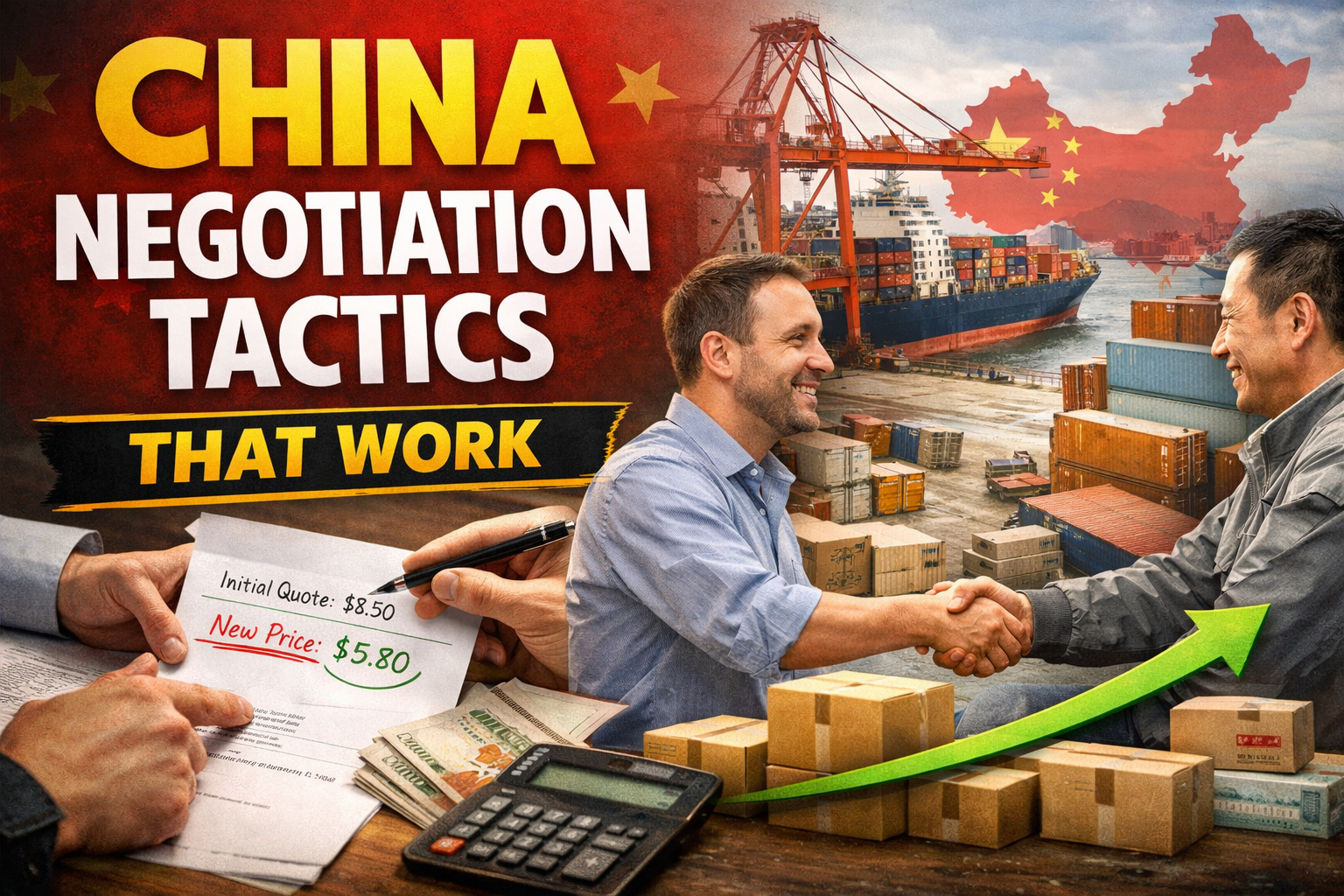
Global brands, Amazon sellers, start-ups, and established importers all rely on China manufacturing. Yet many buyers unknowingly leave money, quality, and opportunities on the table because they approach negotiations the wrong way. Real China negotiation tactics go far beyond pushing for the lowest price they revolve around psychology, cultural awareness, leverage, and long-term thinking.
This in-depth guide explores real-world negotiation tactics Asia China buyers use successfully and how you can apply them to improve your Sourcing results.
 Understanding the Real Nature of Negotiation in China
Before diving into tactics, it’s critical to understand the negotiation mindset in China. Western negotiation often follows a transactional approach: compare quotes, negotiate hard, close the deal, move on. In China, negotiations are relationship-driven and ongoing. A deal is rarely seen as a one-time transaction; it’s viewed as the start of a partnership.
Suppliers typically assume buyers will negotiate. In fact, the first quote is almost never the final price. Quotations usually include buffers that account for negotiation, order volume changes, raw material fluctuations, and future relationship potential.
This is why experienced importers don’t rush negotiations. They pace discussions, build trust, and gradually improve the overall deal.
Understanding this mindset is the foundation of successful China negotiation tactics.
 Why Relationship Building Is the First Negotiation Step
One of the most misunderstood aspects of Sourcing is the role of relationships. In Chinese business culture, trust and familiarity significantly influence how flexible a supplier will be.
When a supplier believes you are a long-term partner rather than a one-time buyer, their behavior changes dramatically. They become more open to improving pricing, adjusting MOQs, prioritizing production, and even sharing product development ideas.
This happens because factories prefer stable, predictable clients. Securing repeat orders reduces their sales effort, stabilizes production planning, and improves cash flow. From their perspective, offering concessions to reliable buyers is an investment.
This is why successful buyers often spend time discussing future plans before negotiating price. Talking about expansion, product roadmaps, or long-term growth subtly communicates that the relationship will continue. These signals often unlock better deals than aggressive bargaining ever could.
Among the most powerful negotiation tactics Asia China, relationship positioning is consistently underestimated.
 Why Price Should Never Be the Only Focus
One of the biggest mistakes new importers make is negotiating only the unit price. Price matters, of course but experienced buyers know the real savings come from negotiating the entire package.
Factories have multiple cost components and operational flexibilities. If price reductions are difficult, they may offer value in other ways: lower MOQs, improved packaging, spare parts, faster production, or more favourable payment terms.
For example, reducing a minimum order quantity can dramatically reduce your upfront risk. Improved payment terms can improve cash flow. Free spare parts can reduce customer service costs later. Faster lead times can help you capture seasonal demand.
When you view negotiation holistically, you often unlock more value than a simple price cut would provide. This mindset shift is central to modern China negotiation tactics.
 The Psychology of Anchoring and Expectation
Negotiation psychology plays a major role in China sourcing. One key principle is anchoring the idea that the first number mentioned strongly influences the final outcome.
Suppliers expect counteroffers, but they also expect them to be reasonable. A drastic lowball offer can damage trust. Instead, experienced buyers acknowledge the quote and then gently re-anchor the conversation toward their target range.
This approach signals professionalism and market awareness. Suppliers are far more willing to negotiate when they feel they are dealing with a knowledgeable buyer.
Anchoring is one of the most consistently effective negotiation tactics Asia China buyers use.
Creating Leverage Through Future Volume
Factories operate on economies of scale. Larger orders reduce per-unit cost because setup costs, labor allocation, and raw material purchasing become more efficient.
Even if your first order is small, positioning yourself as a growing customer creates psychological leverage. Suppliers become more flexible when they believe your business will expand.
This strategy is particularly effective when launching a new product. By presenting the first order as a test run followed by larger orders, you align your growth with the supplier’s interests. This shared growth narrative often encourages suppliers to invest in your success.
This technique is one of the most practical Sourcing negotiation methods available.
 Timing and Patience in Negotiation
Timing has a surprisingly large impact on negotiation outcomes. Factories experience seasonal fluctuations in demand. During slower periods, they are more willing to offer favourable terms to secure production volume.
Negotiating during quieter months or before major holidays can significantly improve your leverage. Conversely, negotiating during peak production seasons reduces flexibility because factories already have full order pipelines.
Patience also plays a role. Rapid responses and urgency reduce your leverage, while thoughtful pacing creates negotiation pressure. Silence and delayed responses often encourage suppliers to improve their offers without direct confrontation.
This subtle timing strategy is a hallmark of effective China negotiation tactics.
 The Power of Supplier Competition
Another critical strategy in Sourcing is engaging multiple suppliers. Even if you strongly prefer one factory, gathering multiple quotations provides essential market insight and leverage.
When suppliers know they are being compared, they become more motivated to improve their offer. However, this must be done respectfully. The goal is not to create conflict but to demonstrate market awareness.
Suppliers want to win business, and transparent comparison encourages competitive pricing and improved terms.
This is one of the most practical negotiation tactics Asia China buyers use to maintain leverage.
 Payment Terms: The Hidden Negotiation Opportunity
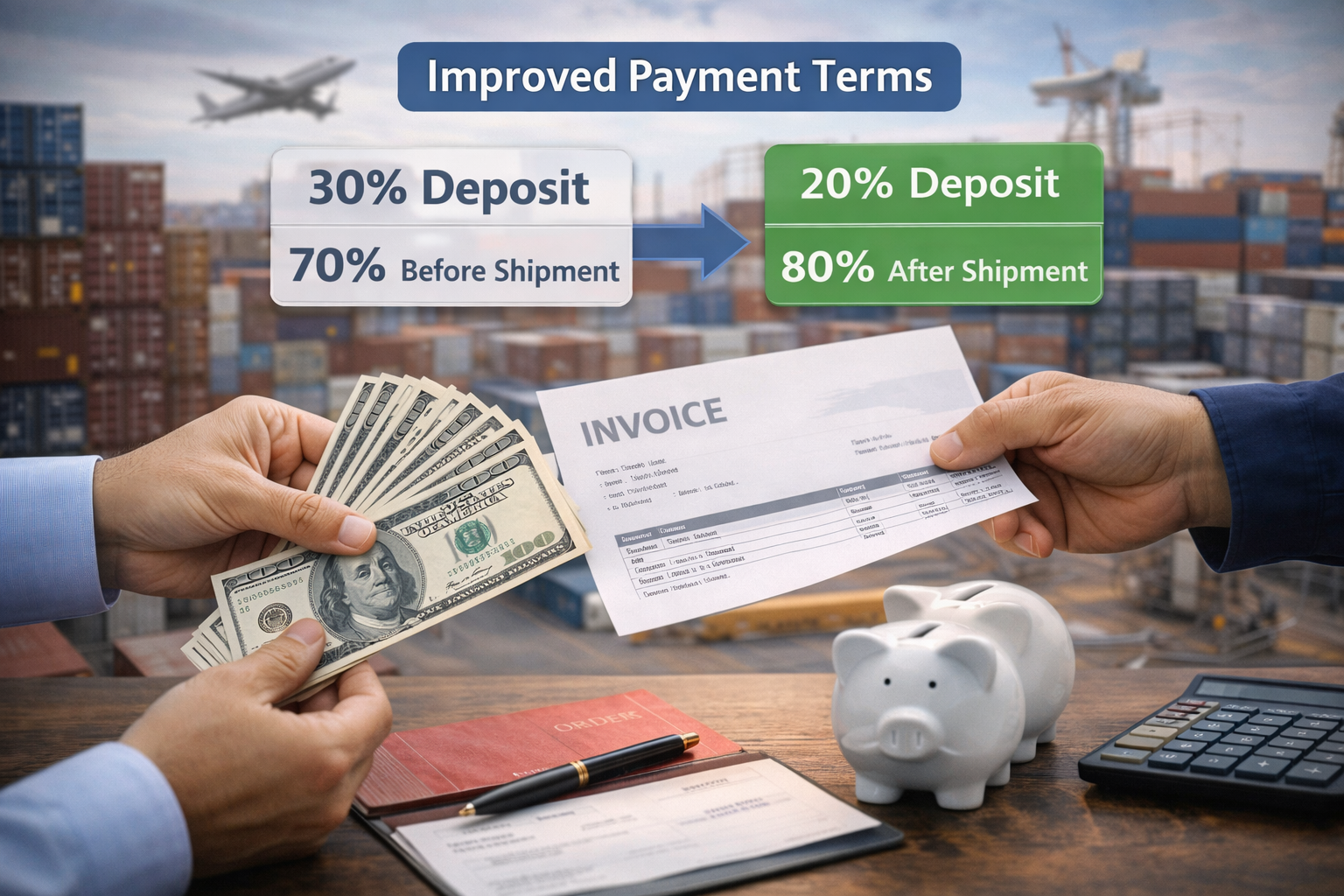
Cash flow is the lifeblood of growing businesses, yet many buyers overlook payment terms during negotiation. Improving payment structure can be just as valuable as lowering price.
Standard terms often require a deposit followed by final payment before shipment. Over time, trusted buyers can negotiate more favourable arrangements. Even small improvements can significantly reduce financial risk and improve cash flow.
This area of negotiation becomes more powerful as the supplier relationship strengthens. It represents a long-term reward for consistent ordering and reliable communication.
Payment negotiation is a cornerstone of advanced China negotiation tactics.
 Avoiding the Trap of Over-Negotiation
While negotiation is expected, excessive pressure can backfire. Factories operating on thin margins may compensate for deep discounts by reducing production priority or cutting corners on quality.
Successful negotiation balances cost savings with relationship health. A fair deal that supports long-term cooperation is far more valuable than a short-term victory.
This balanced mindset is at the heart of sustainable Sourcing.
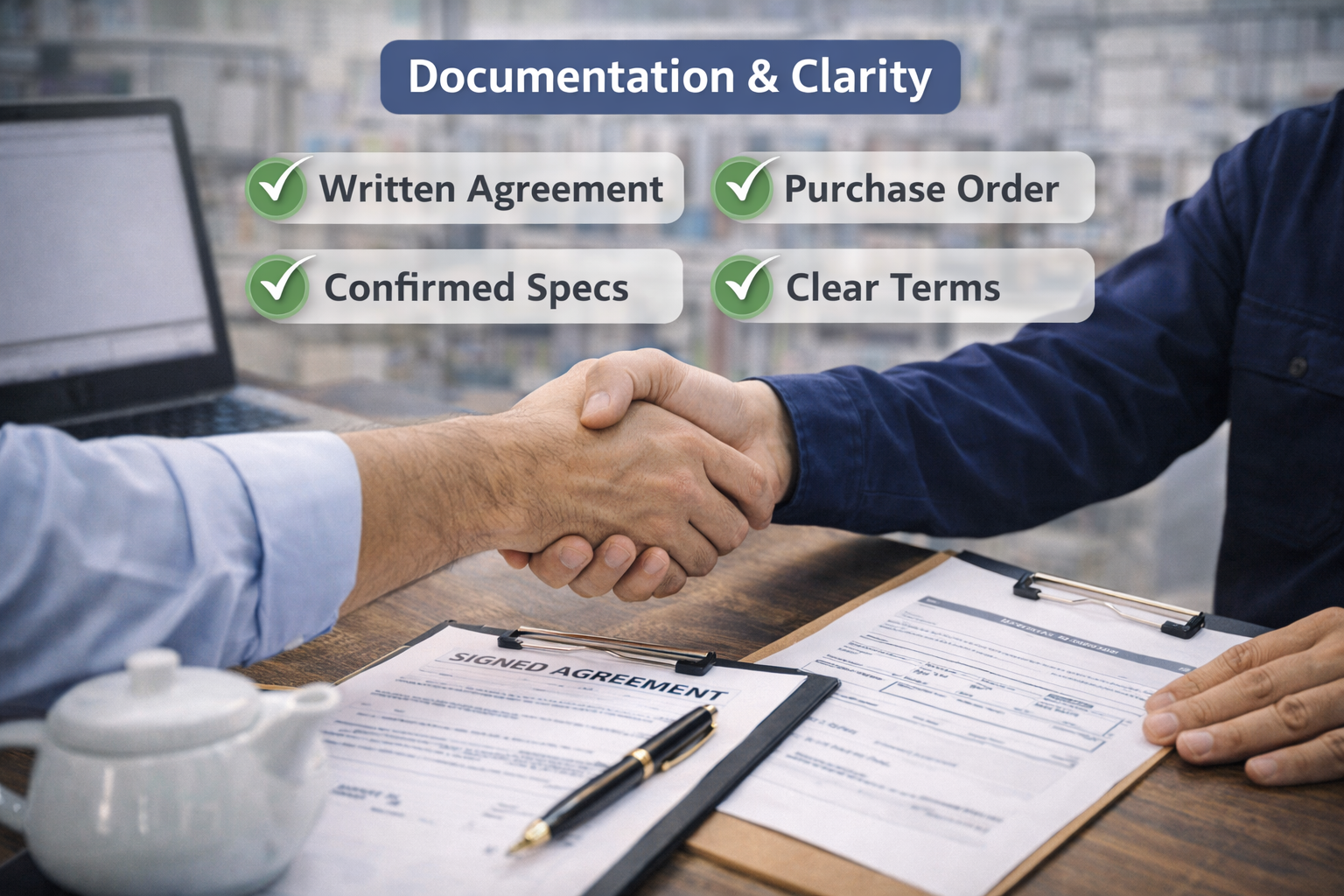
Documentation and Clarity as Negotiation Tools
Clear documentation reinforces negotiated agreements and prevents misunderstandings. Detailed purchase agreements, written confirmations, and precise specifications protect both parties.
In international sourcing, clarity is not optional it is essential. Written agreements ensure that negotiated improvements translate into real production outcomes.
Documentation strengthens trust and professional credibility, reinforcing all other negotiation tactics Asia China.
 Long-Term Partnership: The Ultimate Negotiation Advantage
The most important truth about China negotiation tactics is that your best deals come over time. As trust grows, suppliers naturally become more cooperative, flexible, and invested in your success.
Long-term buyers often receive benefits unavailable to new customers: priority production slots, product development collaboration, and better pricing tiers.
In the world of Sourcing, relationships compound. Each successful order builds momentum for the next.
 Conclusion
Effective China negotiation tactics are built on understanding, patience, and strategy. By combining relationship building, psychological leverage, market awareness, and long-term thinking, buyers can unlock better pricing, improved terms, and stronger supplier partnerships.
Mastering these negotiation tactics Asia China transforms sourcing from a transactional process into a strategic advantage. When approached correctly, Sourcing becomes not just a cost-saving exercise, but a powerful growth engine for your business.
The goal of negotiation is not to win a single deal it is to create a partnership where both sides continue to win for years to come.
Written by
Eva Liu
April 3, 2026 · 6 min read